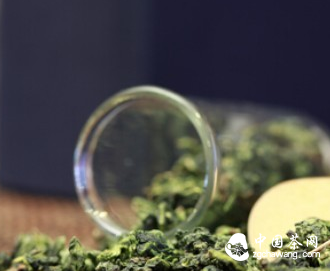
Generally, it is distinguished by the tea's color, aroma, and taste. Green tea has a bright green color and a yellow-green, bright infusion; black tea has a glossy black color and a bright red infusion. These are the hallmarks of fresh tea.
"Tea should be fresh, wine should be aged."
How to distinguish fresh spring tea from "reconstituted tea"?
Generally, it is distinguished by the tea's color, aroma, and taste.
1. Observe the color
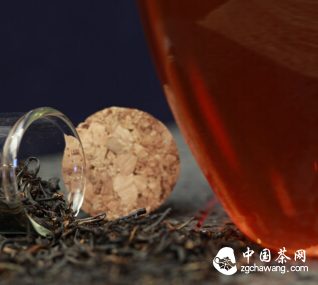
Green tea has a bright green color and a yellow-green, bright infusion; black tea has a glossy black color and a bright red infusion. These are the hallmarks of fresh tea. During storage, substances that determine tea's color are slowly decomposed or oxidized under the influence of light, air, and heat. For example, chlorophyll in green tea decomposes and oxidizes, causing the tea's color to become dull and grayish. An increase in tea brown pigments makes the infusion of green tea appear yellow-brown and cloudy, losing its original fresh color.
2. Smell the aroma
Scientific analysis shows that there are over 300 components contributing to tea's aroma, mainly alcohols, esters, and aldehydes. During storage, these components continuously volatilize and slowly oxidize. Therefore, over time, the aroma of tea changes from strong to weak, from the fresh fragrance of new tea to a stale smell.
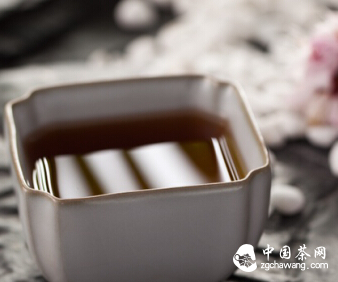
3. Taste the flavor
During storage, phenolic compounds, amino acids, vitamins, and other flavor-determining substances in tea either decompose and volatilize or condense into water-insoluble substances, thereby reducing the soluble compounds that enter the infusion. Therefore, regardless of the type of tea, the flavor of new tea is mellow and fresh, while aged tea tastes thin and lacks freshness.