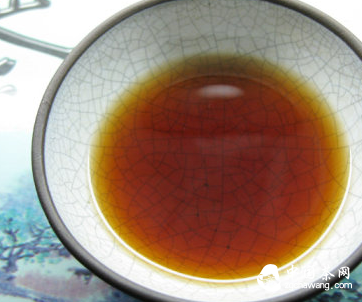
Now. The tea is brewed. How do we perceive its flavor?
Does perceiving the flavor of a tea need to be a whole article? Anyone with a normal sense of taste can feel the flavor. Is this redundant?
This flavor is far from ordinary.
As everyone knows, Pu'er tea differs from other tea categories in many ways. For example, its aroma is unstable, and its astringency and harmony can vary due to external conditions. Because of its dynamic nature, it produces rich changes—this is one of Pu'er tea's characteristics.
What we want to say here is that when a Pu'er tea has not yet entered a relatively stable aroma type, a relatively stable tasting sensation, or a relatively stable energy, it will continue to move toward "maturity." In an immature Pu'er tea, the flavor will inevitably include sensations that are not easily accepted, such as excessively strong bitterness, astringency, or other unbalanced sweet, harsh, or sharp notes. However, such unbalanced flavors do not necessarily mean the tea is bad, nor should one stop drinking it. So how can we perceive its strengths?
Therefore, this article needs to address this. Since taste preferences are highly personal and subjective, what follows is for reference only.
Relationship Between Temperature and Taste
Experienced tea drinkers should know that temperature has a significant relationship with taste—especially aroma, which performs differently at different temperatures. Generally, when the tea soup is hot, the aroma is more lively, so it's best to drink it while hot. Some teas may be more fragrant at the highest temperature, while others may be more expressive at slightly lower temperatures. How exactly? Only through personal observation can one gain a deep understanding.
In Pu'er tea, especially raw Pu'er, the bitterness and astringency are relatively strong compared to other teas. Under the influence of temperature, the perceived intensity of bitterness and astringency is inversely proportional to the tea soup temperature. That is, when the tea soup temperature is slightly higher, bitterness and astringency are less intense; when the temperature is lower, the bitterness becomes particularly strong and affects the overall harmony of the tea.
Based on daily tasting experience, when the tea soup is at 50–55°C, the tea's charm is at its best, and it is less likely to scald the mouth. Temperatures too high or too low will reveal more or fewer shortcomings.
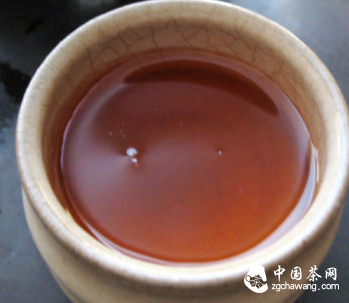
Different Drinking Methods Produce Different Palatability and Stimulus Intensity
Different drinking methods can lead to different mouthfeels under different circumstances!
Many articles about tea tasting mention that drinking methods include "savoring," "sipping," "gulping," and "eating." Savoring and sipping emphasize mood and leisure; gulping large cups quickly aims to quench thirst; eating means consuming the tea leaves together with the tea soup, chewing them and swallowing.
Due to the particularity of Pu'er tea, especially young raw teas that have not reached a "mature" state, bitterness and astringency are generally quite strong. No wonder some newcomers to Pu'er tea think it has too strong an oral刺激性. Of course, the intensity of stimulus also partly depends on the growth form of the raw materials and the processing method. In general, immature teas will always have some seemingly questionable "flaws." At such times, when drinking this type of Pu'er tea, I think it's better to use more "swallowing" and less "savoring," "sipping," "holding," or "licking," reducing the contact area and time of the tea soup in the mouth, thereby naturally reducing the stimulus.
The greatest strength of high-quality young raw Pu'er tea is its long-lasting sweet aftertaste, the faint "hidden fragrance" that seeps out from the throat. As tea drinkers, we should focus on the good aspects and try to minimize or reduce unpleasant sensations. Therefore, I suggest that for some tea soups, use more "swallowing."
This is also one reason why Pu'er tea is best drunk at around 50–55°C—swallowing won't scald you.
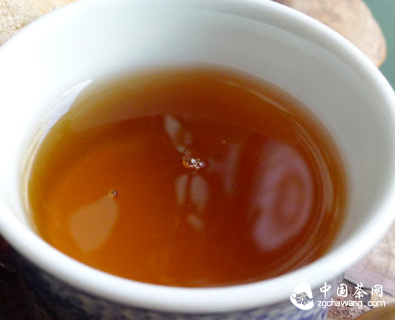
Aspects to Observe for Excellent Tea Quality
This question is a bit long to answer rigorously; it would take a lengthy discussion to explain in detail. In this article, we mainly focus on observation points and thoughts after brewing, so we will briefly mention which aspects reflect the excellence of tea quality.
1. The intensity or persistence of sweetness, saliva production, qi, and charm;
2. The smoothness of the tea soup's mouthfeel or the harmony of the flavor.
3. The degree of sweetness and mellowness in the middle and later stages of brewing.
4. The tea's endurance (number of infusions). The activity and even transformation of the tea leaves.
Realm: Understanding of Tea
Many people talk about the realm of tea drinking—whether for cultivation, calming the mind, comfort, or as a path to Tao, Buddhism, or Confucianism. Everyone's needs and understanding of tea differ. Here, I only want to say one thing: Your understanding of tea is as high as your level of thought.
Each person's thinking determines their realm.
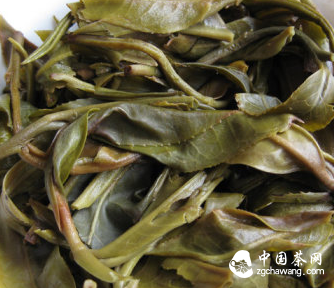
Conclusion
Wanting to drink good tea and brew good tea is what every tea drinker hopes for. Therefore, one must practice brewing frequently, try more, think more, and study more before being able to accurately bring out its basic style. Through continuous accumulation of experience and skillful techniques, one will naturally brew their own unique good tea. By constantly experimenting, practicing, analyzing, and memorizing Pu'er tea at various stages of transformation, one can quickly understand its character and identify differences.
Brewing tea well also allows one to enter a higher realm of tea philosophy in will and thought. From the interaction between humans and tea, one can comprehend nature and create new levels of tea practice.