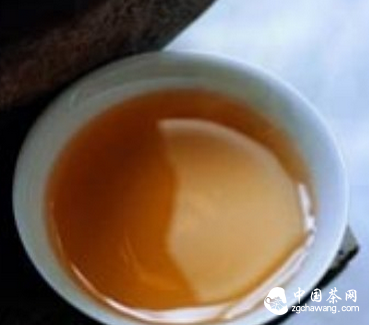
[Not all Tieguanyin has orchid fragrance]
A few successfully produced high-quality teas will show a distinct and rich orchid fragrance. There are two common styles of orchid fragrance: one is sharp, assertive, and rigid, typical of lightly fermented processing, but with the drawback that the aftertaste is not particularly long-lasting and strong bitterness can easily appear; the second is elegant and subtle, with a quiet orchid scent, gentle and penetrating, and its strength lies in a full-bodied aftertaste.
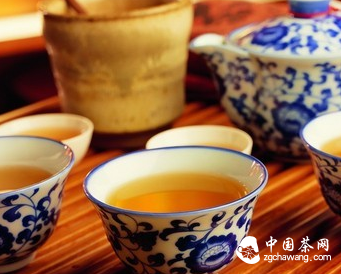
[Yixing teapot: The importance of height vs. shortness]
Yixing teapots come in different shapes, tall and short. According to the principles of tea brewing, a tall pot is suitable for black tea, which undergoes fermentation during processing and is not averse to deep steaming, so a tall pot brews it more aromatic and richer; a short pot is suitable for green tea, which is not fermented and should not be deeply steamed, so a flat pot keeps the fresh, clear color, aroma, and taste of green tea. Matching the pot's characteristics with the tea's characteristics gives the best results.
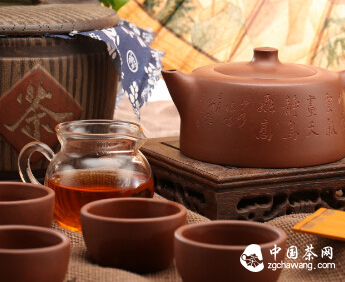
[How to brew Oolong tea?]
When brewing Oolong tea, the water temperature should be high. The water used for brewing should be freshly boiled. Before brewing, warm the pot with hot water; after pouring water, cover immediately, and then pour boiling water over the outside of the pot to further heat it, also called "re-washing the immortal face." This is to maintain the water temperature inside the pot, promote tea extraction and aroma release, and to clean away tea foam spilled outside, keeping the pot clean.
[Can overnight tea be drunk?]
There used to be a story that overnight tea should not be drunk because it causes cancer, supposedly because it contains secondary amines that can turn into carcinogenic nitrosamines. In fact, this claim has no scientific basis. Secondary amines are widely found in many foods, especially in cured and preserved products. For example, bread usually contains 2 mg/kg of secondary amines. If bread is a staple, one ingests 1-1.5 mg of secondary amines from bread daily. The amount ingested from tea is only 40% of that from bread—negligible. Moreover, secondary amines themselves are not carcinogenic; they need nitrates to form nitrosamines and reach a certain level to be carcinogenic. Drinking tea provides plenty of tea polyphenols and vitamin C, which effectively prevent the synthesis of nitrosamines in the human body and act as natural inhibitors. Therefore, drinking tea or overnight tea cannot cause cancer.
[Are green tea and goji berries the best pair?]
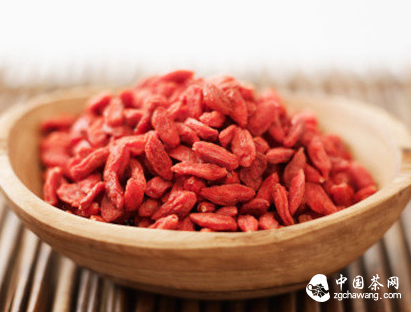
Both green tea and goji berries can be brewed separately with boiling water and are beneficial. Many people simply brew them together. However, the large amount of tannic acid in green tea has an astringent and adsorbing effect, which can adsorb trace elements in goji berries, forming substances difficult for the human body to absorb. The popular "eight-treasure tea" in restaurants also contains both green tea and goji berries. Although the amount of green tea is small, it is still not advisable to drink too much.
[Why is it called "aged" tea head?]
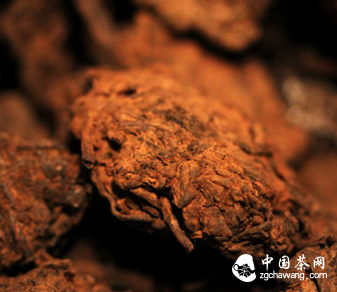
"Tea head" refers to the hard, undispersible tea lumps produced during the artificial pile fermentation of ripe Pu'er tea, also called "lump tea" or "natural tuo," a by-product of ripe Pu'er. Why is the word "aged" often added before "tea head"? Because fresh tea heads have a heavy pile flavor and generally need to be stored for some time to let the flavor dissipate before they are more suitable for drinking. Therefore, they have been stored for some time before consumption, hence the name "aged tea head."