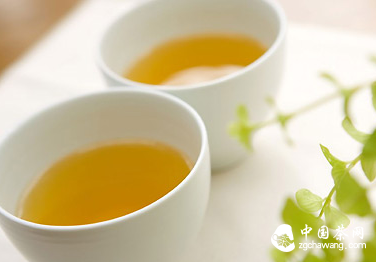
 Many people have the habit of drinking tea. The nature and variety of tea leaves not only provide a good tasting experience but also serve as a medicinal herb. What we often call medicinal tea has the effect of health care and disease treatment. Tea has a bitter, sweet, and cool nature, entering the heart, lung, and stomach meridians. Its main functions are to clear the head and eyes, relieve irritability and thirst, resolve phlegm, promote digestion, induce urination, and detoxify. It can treat headaches, blurred vision, excessive sleepiness, vexation and thirst, indigestion with phlegm stagnation, and dysentery.
Li Shizhen wrote in the Compendium of Materia Medica: "Tea is bitter and cold, of the yin within yin, sinking and descending, best at reducing fire. Fire is the source of all diseases; when fire is reduced, the upper body becomes clear... For those with a strong stomach in their youth, the fire of the heart, lung, spleen, and stomach is often excessive, so tea is suitable for them."
Traditional Chinese medicine believes that tea can clear the head above, eliminate food stagnation in the middle, and promote urination below, making it a natural health beverage. There are four seasons—spring, summer, autumn, and winter—and tea also differs in cold, hot, warm, and cool properties. Therefore, drinking tea should also vary with the seasons.
Spring
Spring is warm, with yang energy rising and yin energy descending, and all things revive. After a long winter, people have "accumulated internal heat," so attention should be paid to expelling cold, protecting against pathogens, supporting yang, and consolidating qi. At this time, it is suitable to drink flower tea. Because flower tea has a strong fragrance, fragrant but not cloying, refreshing but not harsh, it has the effects of regulating qi, relieving depression, removing filth, and harmonizing the middle. It promotes the growth of yang energy, revitalizes the spirit, and eliminates spring fatigue.
Summer
Summer is hot, with scorching sun and sultry weather, causing profuse sweating and disturbances in water and electrolyte balance. Therefore, ample fluid replacement is necessary. At this time, it is suitable to drink green tea. Because green tea is bitter and cold in nature, fresh and refreshing, it has the effects of clearing summer heat, promoting fluid production to quench thirst, and aiding digestion. Drinking it in summer is highly beneficial to health.
Autumn
Autumn is cool, with a desolate atmosphere, and the air gradually becomes dry. People feel dryness and discomfort in the skin, nasal cavity, and throat—this is called "autumn dryness." At this time, it is suitable to drink clear tea, which has a green luster, rich internal quality, and is neither cold nor hot. Drinking it in cool autumn can moisten the skin, relieve dryness, promote fluid production, moisten the lungs, clear heat, and cool the blood, which is very beneficial for autumn health.
Winter
Winter is cold, with biting winds, freezing weather, and chilling cold. The human body is in a state of contraction, and metabolism slows down, making it prone to "cold diseases." At this time, it is suitable to drink black tea. This tea has red leaves and red liquor, is rich and warm, nourishes yang energy, increases heat and warmth, and can be taken with milk or sugar without losing its fragrance. It also helps remove grease, soothe the stomach and intestines, and aids in winter health preservation.
Some teas, such as jasmine tea, Longjing tea, Pu'er tea, and Biluochun, as well as others, are not strictly limited to a specific season and can be drunk all year round. For those who do not like drinking tea but work long hours in front of a computer, it is recommended to drink some goji berry tea, which has a mild flavor and benefits eyesight.