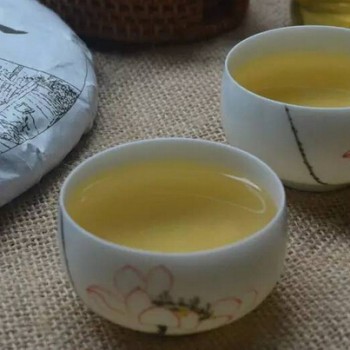
Can Washing Face with Pu-erh Tea Really "Beautify Skin"? The Principle of Pu-erh Tea for Skin Care
A TV interview featured a woman in her sixties with skin resembling someone in their thirties. Her secret? She consistently used leftover Pu-erh tea to wash and pat her face, preventing age spots. Pu-erh tea, rich in vitamins and tea polyphenols, offers cleansing and soothing benefits for the skin....
Tea News · Jul 26, 2025
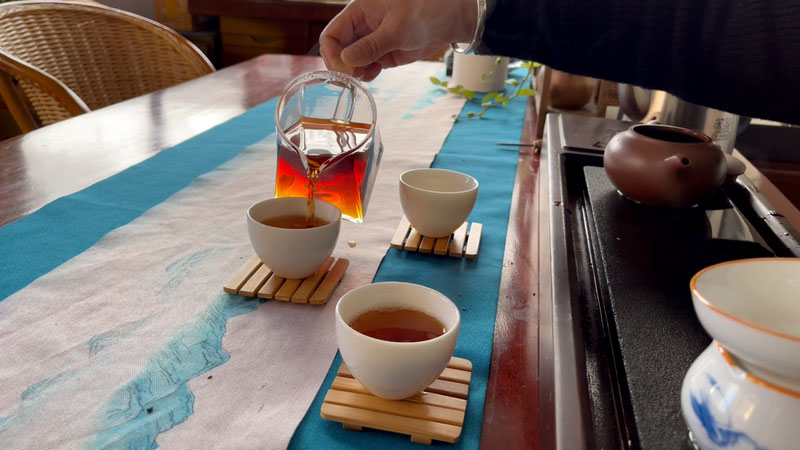
N Reasons to Love the Individually Packaged Golden Silk Tea
The individually packaged Golden Silk Tangerine Peel Pu-erh tea has become a trending topic, and for good reason. This 'internet-famous' tea offers numerous health benefits, including stomach care, digestion aid, and anti-aging properties. It also promotes beauty and weight loss, making it perfect f...
Tea News · Jul 25, 2025
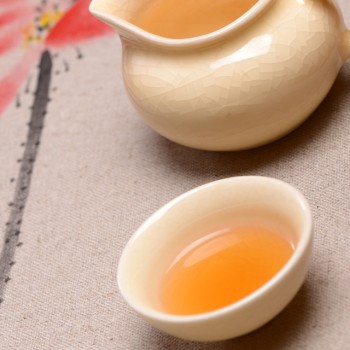
Six Benefits of Golden Flower Pu-erh Tea for Modern Health
Golden Flower Pu-erh tea, infused with the beneficial 'Eurotium cristatum' fungus, offers six significant health benefits. It supplements dietary nutrients, aids digestion, regulates metabolism, lowers blood pressure, and prevents cardiovascular diseases. Rich in antioxidants, it also delays aging a...
Tea News · Jul 25, 2025
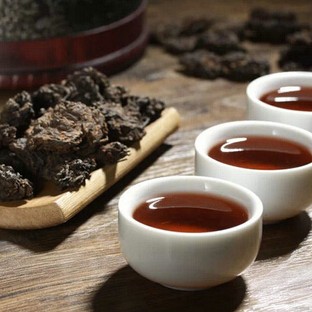
How to Judge the Aging Potential of a New Tea?
Assessing the aging potential of a new tea involves building a knowledge base by tasting various types and brands of Pu-erh tea, understanding the characteristics of different tea regions like Yiwu, Bulang, and Mengku, and recognizing blended teas for quality enhancement. Long-term storage and perio...
Tea News · Jul 25, 2025
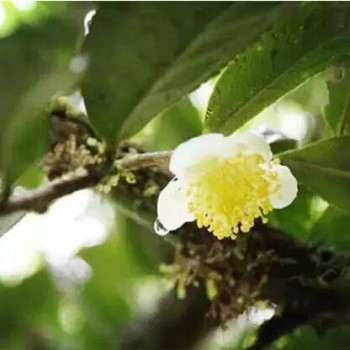
Every Part of Pu-erh Tea is a 'Treasure'!
Pu-erh tea is more than just its leaves—every part of it holds value. From the robust and fragrant tea flowers that offer calming effects to the sweet and rich tea stems, each component brings unique flavors and benefits. The 'old tea heads,' formed during fermentation, are prized for their smooth,...
Tea News · Jul 24, 2025
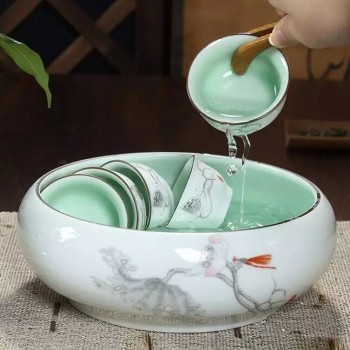
Have You Noticed the Details of Brewing Tea?
When brewing tea, small details can greatly affect the taste. Key factors include warming and cleaning the teaware, measuring the right amount of tea leaves, controlling the brewing time, adjusting water temperature, and mastering the water pouring technique. For example, using boiling water for Pu-...
Tea News · Jul 24, 2025
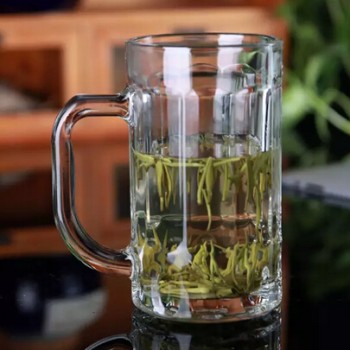
Tea Experts Also Make Unavoidable Mistakes, Have You Fallen for Them??
Even experienced tea masters can make mistakes in their tea-drinking habits. Here are some common errors: using a large cup with tea leaves steeping all day, not properly 'awakening' the tea before brewing, drinking overnight tea, consuming tea on an empty stomach, drinking tea that's too hot or too...
Tea News · Jul 23, 2025
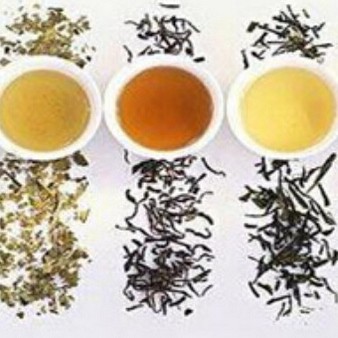
99% of People Don't Know What Tea They Should Drink?
Tea contains about 30 types of amino acids essential for the human body. Different teas are recommended for various lifestyles and health conditions. For instance, jasmine tea is ideal for those who work with their minds or stay up late studying, while oolong tea and black tea suit physically active...
Tea News · Jul 23, 2025
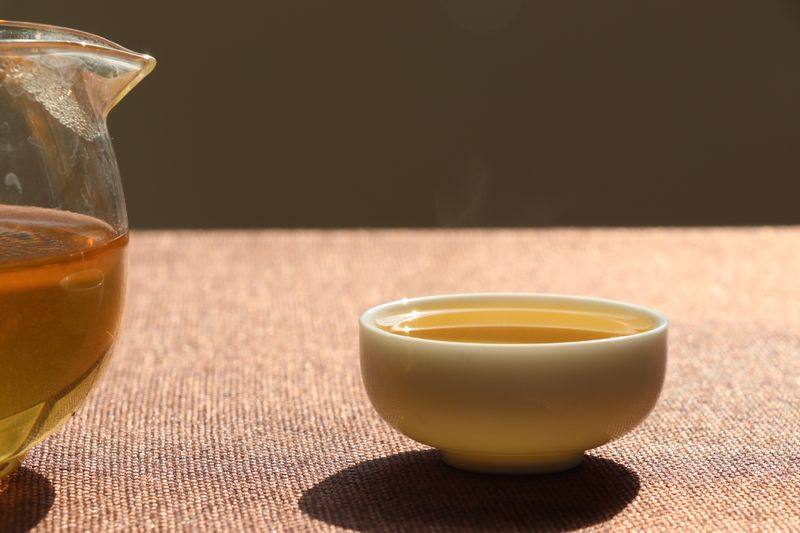
The Truth! Exposing 18 Classic Lies About Pu-erh Tea
Detective Conan famously said: 'There is only one truth!' For tea enthusiasts who have been misled by various lies about Pu-erh tea in the market, today we uncover some of the most classic misconceptions. Seeking the truth—tea lovers are not easily fooled. From claims about leaf varieties to myths a...
Tea News · Jul 22, 2025
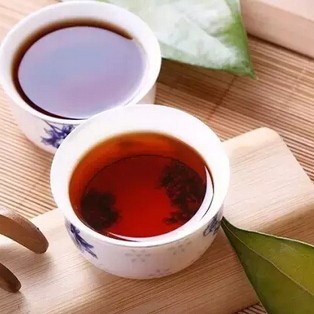
Brew Your Own Cup of Pu-erh Tea!
Everyone can brew their own cup of Pu-erh tea, a process influenced by factors such as tea characteristics, altitude, tea quantity, and water temperature, resulting in different brewing effects. Pu-erh tea is typically compressed, and it's best to loosen it a week or two before brewing to allow it t...
Tea News · Jul 22, 2025