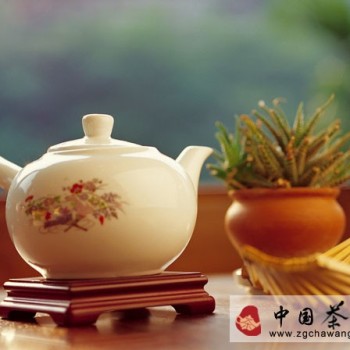
How to Distinguish Between Dry and Wet Pu-erh Tea?
Pu-erh tea can be categorized in various ways, including raw and ripe tea, compressed tea, tuo cha, or brick tea based on shape, and dry storage versus wet storage based on aging conditions. Many tea enthusiasts find it challenging to differentiate between dry-stored and wet-stored Pu-erh. This arti...
Tea News · Dec 10, 2025
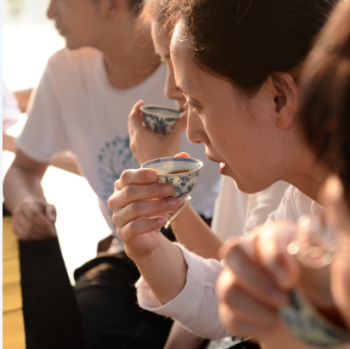
The Aroma of Pu-erh Tea: Refreshing and Heartwarming
The aroma of Pu-erh tea is not overly pronounced when brewed, but over time, one can discern whether it is a fine tea. The lingering fragrance at the bottom of the cup is another enchanting aspect of Pu-erh tea, evoking notes of honey, floral, fruity, or camphor-like scents that are truly mouthwater...
Tea News · Dec 10, 2025
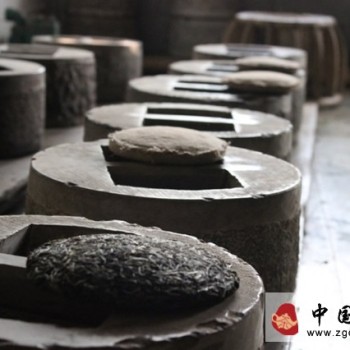
The Pressing Process of Pu-erh Cake Tea
The pressing of Pu-erh tea is a meticulous technique that transforms loose sun-dried green tea into compressed forms like cakes. This process applies to both raw (sheng and ripe (shou Pu-erh, with the latter being fermented first. The main purposes of pressing are to facilitate transportation and...
Tea News · Dec 07, 2025
Seven Important Stages of Pu-erh Tea Transformation
Pu-erh tea, known as a 'drinkable antique,' is celebrated for its unique characteristic of improving with age. Its transformation involves seven key stages, from new tea (1-3 years to ancient tea (over 100 years . During this process, the tea soup color evolves from yellow-green to deep wine-red, a...
Tea News · Dec 06, 2025
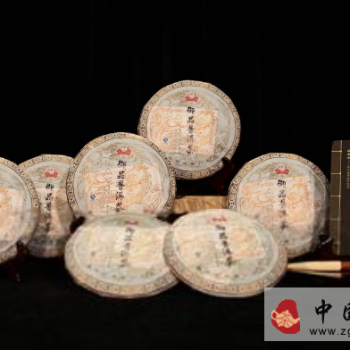
The Past and Present of Pu-erh Tea
Hong Kong's traditional tea storage techniques have played a pivotal role in preserving and aging Pu-erh tea, particularly through its distinctive 'wet storage' (地仓 methods. These warehouses utilize natural humidity and controlled environments to accelerate tea transformation, developing unique age...
Tea News · Dec 05, 2025
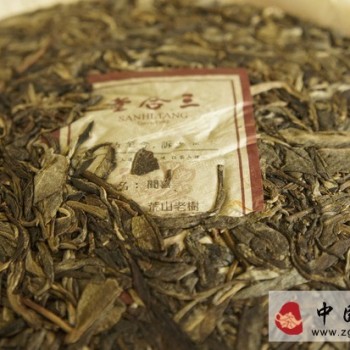
Is the Bitterness and Astringency of Pu-erh Tea Considered 'Powerful'?
This article clarifies a common misconception about Pu-erh tea, explaining that its quality is not defined by bitterness, astringency, or a 'powerful' profile alone. It highlights how Yunnan's diverse climate creates unique 'mountain flavors' across different tea regions. The piece distinguishes bet...
Tea News · Dec 03, 2025
Collector's Mindset in Storing Pu-erh Tea
For tea enthusiasts, collecting aged tea is not only about savoring its vintage flavor but also a cultural and spiritual enjoyment. Tea culture has never been solely about pursuing gustatory pleasure; the integration of humans and tea allows us to personally experience a spiritual communion with nat...
Tea News · Dec 02, 2025
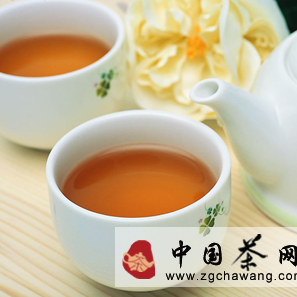
Why Does Pu-erh Tea Become Turbid or Sour After Cooling?
When Pu-erh tea cools, two phenomena may occur: turbidity and sourness. Turbidity occurs because the complexes of thearubigins, theaflavins, and caffeine in good tea precipitate when the temperature drops below 40°C, making the tea soup cloudy. Sourness, on the other hand, is considered an undesirab...
Tea News · Nov 30, 2025
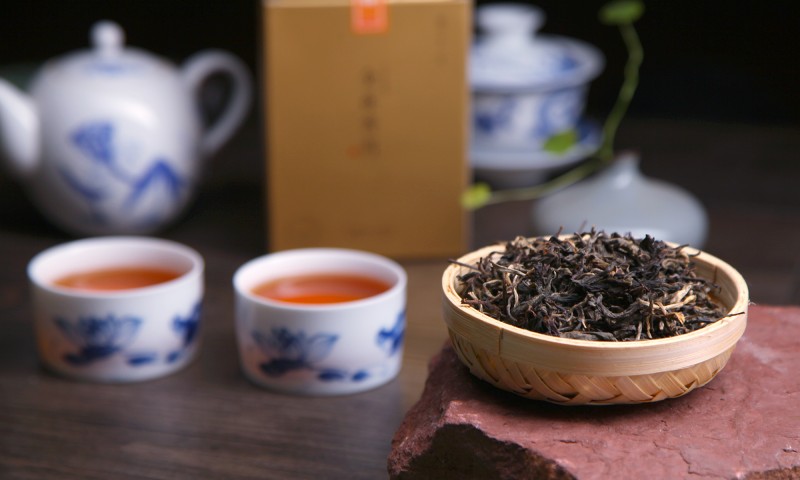
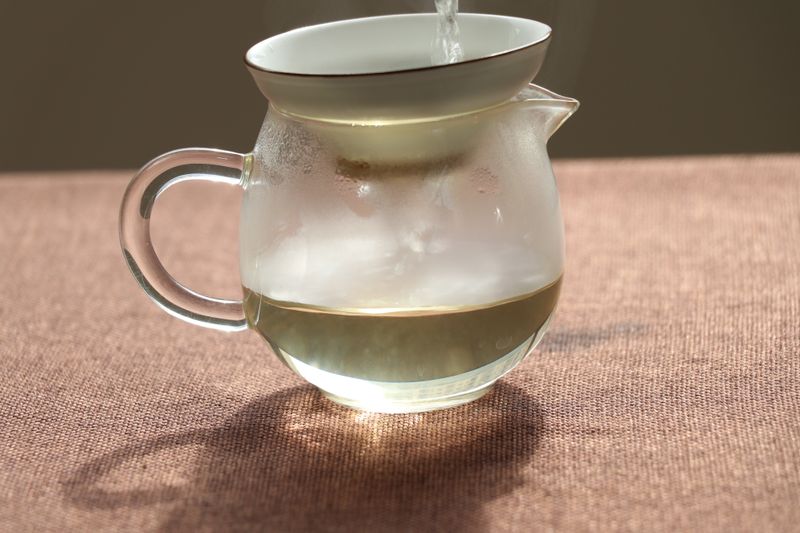
Pu-erh Tea Brewing Techniques
Pu-erh tea offers numerous health benefits, particularly for weight loss, though many are unfamiliar with its proper brewing method. To fully extract its flavor, Pu-erh tea must be brewed with boiling water. The process involves placing about 10 grams of tea leaves in a filter cup, rinsing them brie...
Tea News · Nov 27, 2025
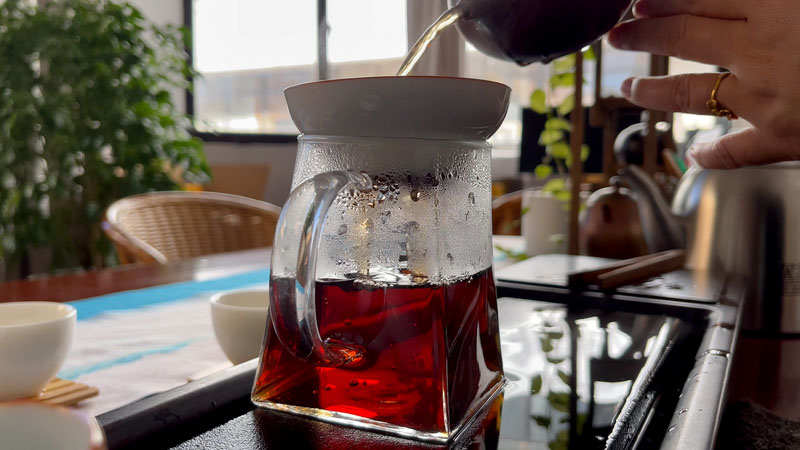
Pu-erh Tea Tasting Techniques
Pu-erh tea requires specific brewing techniques to fully appreciate its unique characteristics. Use a large-bellied teapot, preferably ceramic or purple clay, with tea leaves occupying about 20% of the pot space. Allow compressed tea cakes to aerate for two weeks before brewing. Essential steps incl...
Tea News · Nov 27, 2025