Tea flavor compounds in the infusion can be summarized as: sugars, amino acids, phenolic substances and their oxidation products (mainly tea polyphenols), purine alkaloids (mainly caffeine), organic acids, and tea saponins. Among them, tea polyphenols, amino acids, and caffeine have the greatest impact on tea quality. The taste of tea is a comprehensive reflection of the flavor compounds in the tea infusion as perceived by the human taste buds. Therefore, the content of various flavor compounds and their proportional changes can affect the taste of the tea infusion.
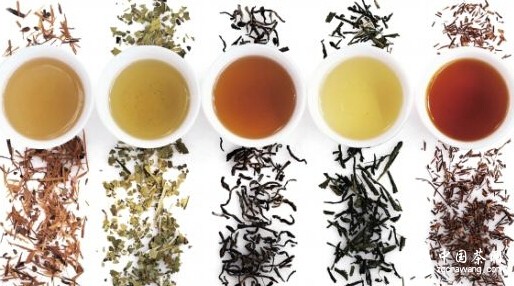
Astringency—Phenolic substances and their oxides
The phenolic substances in tea infusion are mainly catechins. Ester-type catechins have an astringent and bitter taste with strong astringency. The astringency felt when tea enters the mouth is mainly because ester-type catechins react with proteins in the oral mucosa to form impermeable substances, causing a puckering sensation. From a sensory perspective, astringency also stimulates the sensory nerve endings.
Bitterness—Purine substances (mainly caffeine)
Among the purine substances in tea, caffeine is the main flavor compound, presenting a bitter taste. Due to its volatile nature when heated, its content decreases significantly during multiple infusions. Caffeine stimulates the central nervous system and activates brain cortex cells, as well as stimulating gastric juice and bile secretion, making it a major contributor to people's preference for tea.
Anthocyanins in tea infusion are also a source of bitterness. When the content of anthocyanins exceeds its threshold in the tea infusion, the tea has a distinct bitter taste. When 150 ml of tea infusion contains 15 mg of anthocyanins, there is an obvious bitter taste. Purple buds contain 1% or even more anthocyanins. Summer tea, due to strong sunlight exposure, has high anthocyanin content and often has purple buds, which is also why summer tea is often more bitter and astringent and of lower quality.
Umami—Amino acids
Green tea infusion is expected to be mellow and sweet, and the sweet and fresh taste is related to the amino acids in the tea. There are many types of amino acids in tea, each presenting different characteristics. The most abundant is theanine, an amino acid unique to tea. Other amino acids with relatively high content in tea include glutamic acid, aspartic acid, arginine, glutamine, and asparagine. Regarding the taste characteristics of each amino acid, not all amino acids are umami; most are sweet or bitter. According to reports, L-type amino acids are mostly bitter, with a few being sweet or umami; D-type amino acids are all sweet. The amino acids that make up proteins in nature are all L-type, so the amino acids from protein hydrolysis in tea give the infusion a mostly bitter taste. Although the configuration of free amino acids in tea is difficult to determine, it is certain that they contribute not only umami but also bitterness and sweetness to the tea infusion. These different tastes, through various combinations and interactions, create the diverse flavor characteristics of tea infusions.
Sweetness—Sugars and other substances
The sugars that present sweetness in tea infusion are mainly soluble sugars such as monosaccharides and disaccharides. The sugar content is not high, but due to the different thresholds of the human taste buds for sweet and bitter tastes and the different locations of taste perception, the small amount of sugar in the tea infusion produces a stronger perception after the slight bitterness is felt. The synergistic effect of sweetness and bitterness creates a pleasant experience when tasting tea. Tea infusion also contains a certain amount of pectin and glycosides of phenolic substances, which also contribute to the formation of tea flavor. Water-soluble pectin can give the tea infusion a thick and mellow taste.