The main chemical components and their pharmacological principles in tea leaves. Tea leaves contain over 600 chemical components, which play a crucial role in the aroma, taste, color, nutritional value, and health benefits of tea. The following categories are most closely related to human health:
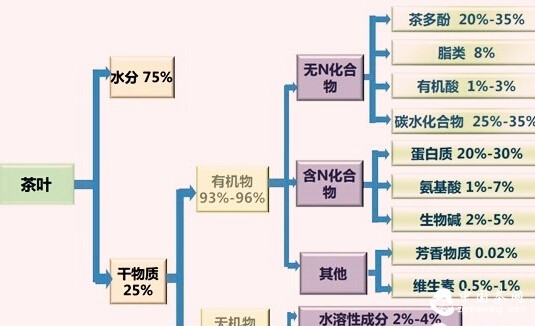
The diagram shows that tea leaves contain 75% water, which is the scientific basis for "4 pounds of leaves to make 1 pound of tea." The water-soluble substances in tea account for 30%-48%, primarily including tea polyphenols, alkaloids, amino acids, sugars, organic acids, etc. These constitute the quality and taste of tea.
1. Polyphenolic Compounds
Polyphenolic compounds are widely found in nature. Well-known examples include tea polyphenols, apple polyphenols, and grape polyphenols. Due to their excellent antioxidant properties, they are widely used in cosmetics, pharmaceuticals, and other fields.
Tea polyphenols are one of the main components that form the color, aroma, and taste of tea, and also one of the primary components with health benefits. They are high in content, widely distributed, highly variable, and have the most significant impact on tea quality. Tea polyphenols include catechins, anthocyanins, flavonoids, flavonols, and phenolic acids, with catechin compounds being the highest in content and most important.
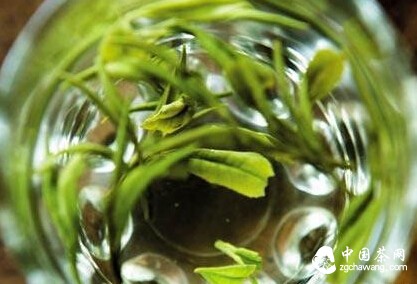
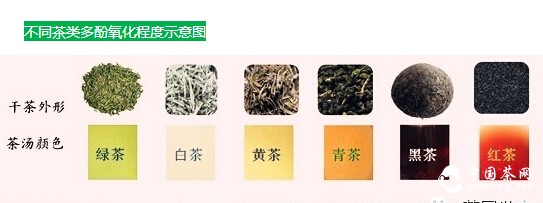
Polyphenolic compounds account for about one-third of the dry matter in fresh leaves and three-quarters of the total soluble solids in tea infusion. They are highly reactive and prone to undergo a series of chemical reactions under external conditions, generating new chemical substances that affect the quality of various teas. Therefore, the oxidation degree of tea polyphenols is one of the important criteria for classifying different types of tea.
Schematic diagram of polyphenol oxidation levels in different tea types
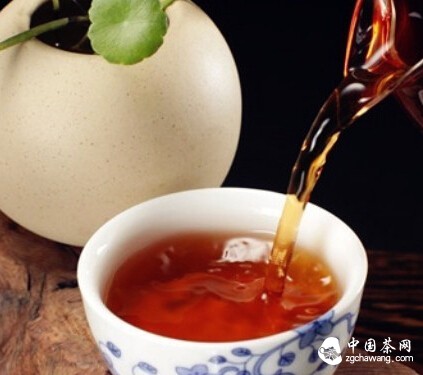
Polyphenolic compounds are the main part of water-soluble pigments in tea, constituting the primary color of the tea liquor and also contributing to the color of dry tea leaves. Meanwhile, the main components contributing to the astringency of tea are polyphenolic compounds and their oxidation products, aldehydes, iron, and other substances, with catechins playing a particularly important role in the manifestation of astringency.
2. Alkaloids
Alkaloids were considered medicinal substances in ancient Greece and are among the oldest drugs. Tea mainly contains three alkaloids: caffeine, theobromine, and theophylline, all of which have central nervous system stimulating effects. Caffeine has the highest content, generally 2%-4% of the dry weight, and is one of the characteristic chemical substances of tea.
Caffeine in tea plays a significant role in the formation of tea taste. Excessive caffeine in the tea infusion results in a bitter taste.
In black tea infusion, caffeine can form complexes with thearubigins and theaflavins, causing the "creaming down" phenomenon (precipitation upon cooling). The ability to form this creaming is positively correlated with caffeine concentration, and this phenomenon is also one of the indicators for evaluating the quality of black tea.
3. Tea Amino Acids
Tea contains over 20 amino acids, mainly including theanine, glutamic acid, aspartic acid, etc. Theanine is an important component for forming the aroma and umami freshness of tea, accounting for more than 50% of the free amino acids in tea.
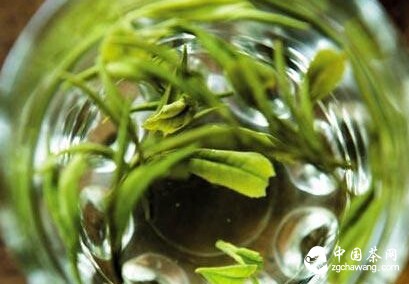
Its water-soluble properties mainly manifest as umami and sweet tastes, which can suppress the bitterness and astringency of the tea infusion. Japan approved theanine as a food additive in 1964.
Besides extraction from tea leaves, theanine can also be produced through biological synthesis or chemical synthesis. Due to its effects such as lowering blood pressure, calming nerves, improving sleep, and promoting brain function, theanine is already used as a raw material in health foods and pharmaceuticals.
4. Aromatic Substances in Tea
The aroma of tea is a comprehensive reflection of various aromatic substances. Its formation and intensity are influenced by factors such as different tea plant varieties, harvesting seasons, leaf maturity, as well as different tea processing techniques and technologies.
Comparison of the dominant aromas among the world's three major high-aroma black teas

Although the content of aromatic substances in tea is not high, their variety is extremely complex. According to analysis, tea typically contains over 700 aroma compound components. Some are common to black tea, green tea, and fresh leaves, while others are unique to each type.
It is worth noting that current research can only qualitatively study the relationship between aroma composition, compositional changes, and tea quality. It is not yet possible to determine which combination of aromatic substances and their specific content represents which category or grade of tea.
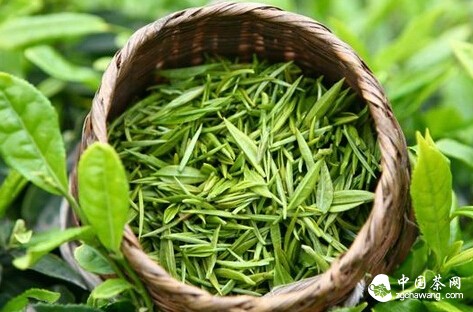
The chemical components in tea not only determine its quality but are also closely related to certain pharmacological effects of tea drinking. However, the formation of tea quality and its health benefits are not based on the effect of a single component but rather on the synergistic effects of multiple components. By drinking more tea, we can better appreciate the mysteries of the tea world. Have you had tea today?