The transition of Pu-erh Tea from drinking to savoring
Tea is the national drink, but when drinking tea is not merely for quenching thirst, "drinking" is often called "savoring." Savoring tea means appreciating its taste, its aroma, its stories, and even the mood it evokes... The fresh, brisk sweetness of Green Tea, the strong aroma and rich taste of Oolong tea, the subtle, elegant fragrance of Jasmine Tea, the mellow, smooth, and sweet character of Pu-erh tea with its long-lasting aged charm... Each type of tea has its unique taste and aroma, and each offers a distinct experience.
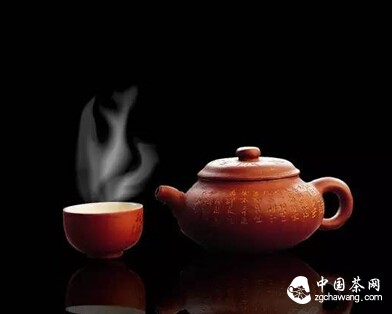
For most teas, drinking is about freshness; the new tea of the current year is most appreciated by connoisseurs for its taste, aroma, and character. Pu-erh tea, however, values "age," and is known for being "more aged, more fragrant." Friends new to Pu-erh often ask: What does "more aged, more fragrant" mean? How does this taste develop?
The period of Pu-erh tea's transition from blind following to personalized demand
So-called "tea taste" refers to the multiple sensations produced in the mouth by the tea liquor, including flavor, texture, mouth-watering effect, and aged charm. The taste of the tea liquor is largely influenced by its chemical components. Pu-erh tea is made from Yunnan's unique large-leaf sun-dried green tea that undergoes aging and post-fermentation. Years of storage cause the components of Pu-erh tea to continuously transform; the content of caffeine and catechins decreases, while theaflavins and thearubigins oxidize and polymerize. Consequently, Pu-erh tea has a mild nature, with a warm, smooth, mellow, and aged aroma taste.
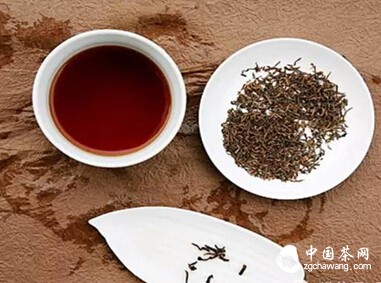
Sweetness: Most teas are initially bitter then sweet, but there are good Pu-erh teas that are sweet without being bitter. Pu-erh tea, made from large-leaf varieties, has relatively saturated and robust components. After long-term aging, the bitter and astringent tastes gradually weaken due to oxidation, sometimes disappearing entirely, while the sugar content remains in the tea leaves, slowly released into the liquor upon brewing. The sugary substances in Pu-erh tea include monosaccharides, disaccharides, and polysaccharides. Polysaccharides mainly consist of cellulose, hemicellulose, starch, and pectin, which have positive health benefits for preventing and alleviating diabetes.
Smoothness: This is a moist, soft feeling in the mouth after drinking Pu-erh tea liquor, as smooth as silk. A mellow and smooth texture is a major characteristic of Pu-erh tea, not found in other tea types. This smoothness is often related to the storage time of the Pu-erh; the longer the aging, the superior the smoothness, making the tasting experience more comfortable and familiar, which is why many Pu-erh enthusiasts cherish it.
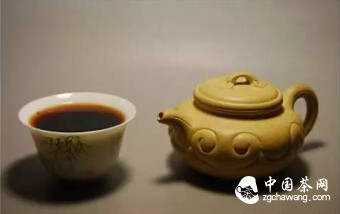
Thickness: This is the feeling of fullness of the tea taste in the mouth. The thickness of Pu-erh tea is related to its substance. When the tea liquor has a certain intensity and contains more dissolved substances, it feels warmer, thicker, and denser in taste. This dense feeling is what old tea drinkers call "thick"; a tea liquor full of flavor gives a sense of expansive momentum in the mouth, mellow and substantial. The opposite of "thick" is "thin"; a thin-textured liquor feels light and lacking in the mouth.
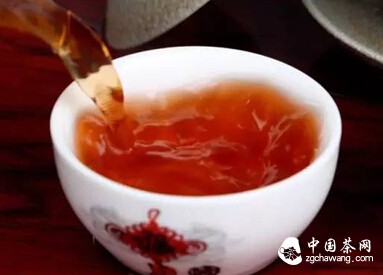
Mellowness: "The first bowl moistens my lips and throat. The second bowl breaks my loneliness and gloom." The throat sensation (喉韵) of Pu-erh tea is a feeling of warm, comfortable moisture in the throat, intertwined with returning sweetness and aroma. Through aging and fermentation, Pu-erh tea loses the strong grassy scent and bitter-astringent taste of green tea, becoming warm, mellow, and full-bodied. There is no sharp刺激感 upon entry, the throat feeling is moistening and transforming, silky and smooth, which is why many people fall in love with Pu-erh tea. Generally, Pu-erh tea made from arbor old trees, after proper aging, can achieve this moistening, gloom-dispelling state.
To appreciate the taste of Pu-erh tea, the key is to savor it with a calm mind. Perhaps you are always busy, but try to find a moment of leisure. When you savor tea with a quiet heart, you can appreciate a feeling of contentment and joy.
Related links: Golden Flower Pu-erh, Golden Flower Fu Brick Tea