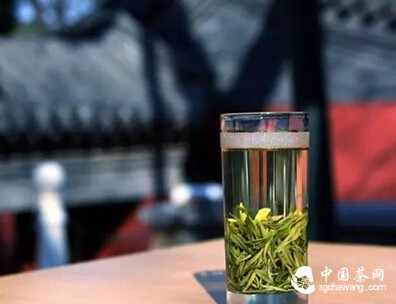
Tea, carrying the essence of thousands of years of Chinese culture, has always been a beloved beverage among Chinese people. It seems indispensable for receiving guests and conveying sentiments. However, where and how to store tea leaves has always been a troubling issue.
The tea polyphenols, polyphenolic substances, Vitamin C, and carotene in tea leaves are highly prone to oxidation. Therefore, environmental temperature, relative humidity, odors, light, air, and microorganisms can all affect the quality of tea. To prevent deterioration, it is essential to avoid high temperature, high humidity, light, and oxygen.
Common materials used for storing tea in daily life include aluminum composite bags, containers, or a combination of both. Tin cans are the best among containers, while other options like pottery jars and metal boxes are also acceptable. When using composite bags, it is best to place an appropriate amount of specialized tea preservatives inside the packaging bag.
Among all types of tea, green tea is best stored in the refrigerator. If the storage time is short and you need to drink it readily, you can place the green tea in the冷藏室 (chill compartment), setting the refrigerator temperature to around 5 degrees Celsius. However, if the tea is unopened and you wish to store it for over a year, it should be placed in the冷冻室 (freezer). Additionally, to prevent the tea from becoming the refrigerator's "deodorizer," it must be密封包装 (sealed packaged) before placing it in the refrigerator, and an adequate amount of specialized保鲜剂 (preservative) should be placed inside the packaging bag. The best packaging material is aluminum foil composite bags. It is important to note that after taking the tea out of the refrigerator, do not open the package immediately. The correct approach is to let the tea slowly warm up to room temperature (usually wait one day) after removal from the fridge before opening the package and brewing. It is best consumed within half a month.

Compared to green tea, Oolong tea, black tea, and jasmine tea do not need to be stored in the refrigerator. Since Oolong tea and black tea have relatively low levels of polyphenolic substances, they age and deteriorate more slowly, making them easier to store. Jasmine tea has a rich floral aroma, and storage under low-temperature conditions would suppress its fragrance, reducing the freshness and concentration of the aroma. Therefore, storing them in dry, sealed, light-proof, and odor-free containers is sufficient for long-term preservation. Pu-erh tea is best stored at room temperature and does not require desiccants.
Among all types of tea, green tea is best stored in the refrigerator. If the storage time is short and you need to drink it readily, you can place the green tea in the冷藏室 (chill compartment), setting the refrigerator temperature to around 5 degrees Celsius; but if the tea is unopened and you wish to store it for over a year, it should be placed in the冷冻室 (freezer).