In this world focused on appearance and sophistication, mere pretense likely won't suffice. Especially for an advanced activity like tasting tea, having some solid knowledge is essential. Judging the grade of tea is a challenge that puzzles many friends. Below, the editor specially shares several key secrets for identifying tea—boost your knowledge now!
Beginner tea enthusiasts often face the test of how to quickly judge the grade of the tea in front of them. This is not just about face; your ability to discern tea is your capital for making tea friends and the fundamental reason you can consistently drink good tea!
Seriously speaking, understanding tea requires long-term experience and a large number of samples; it cannot be achieved quickly. However, there are some general rules that can help you filter out too many interferences using the elimination method, allowing you to learn and compare within more standardized samples.
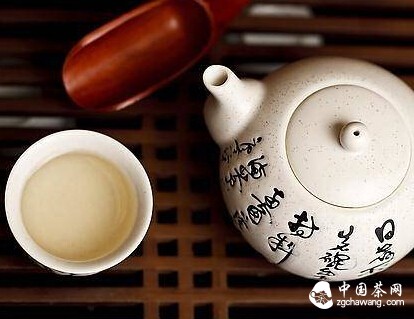
Below, listed in the order of brewing a cup of tea, remember you can look at several stages together, or, under constrained conditions, rely solely on elements from one stage to make a quick judgment. The goal is to be able to say a few words at any stage of the tea tasting without being too far off the mark.
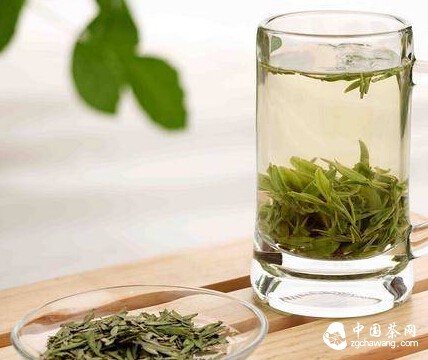
Of course, a special reminder: these superficial techniques cannot replace real skill. If you truly want to understand tea, you must accumulate experience diligently. Also, don't show off everywhere; experts can easily see through your little tricks. The best method is to say a few words appropriately, then虚心请教虚心请教 (humbly seek advice) from fellow tea drinkers present, absorbing widely and growing steadily.
Before Brewing
1. Look at the Dry Tea: Overall
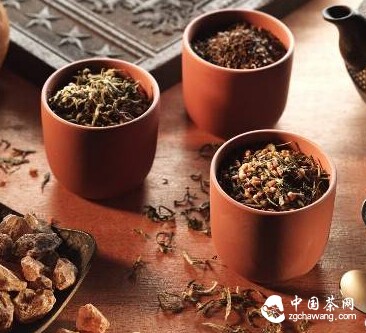
Overall – Even strip formation, uniform colour, with minimal broken bits and impurities is superior; inconsistent thickness, obvious colour differences are inferior, and may indicate blending.
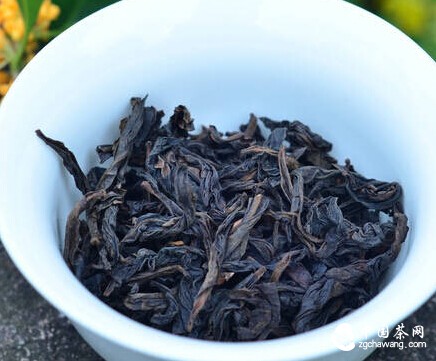
2. Look at the Dry Tea: Individual Leaves
Individual – Tightly rolled strips, glossy and lustrous, with natural colour are superior; loosely rolled, dull strips, lacking lustre, with colours that are overly bright or particularly dry and lifeless are inferior. Colour is a difficult point; many inferior teas masquerading as good ones look more vibrant than the real high-quality tea. Taking West Lake Longjing as an example, counterfeit teas are often intensely, uniformly green and eye-catching, while the genuine product is yellowish-green and not very striking. However, upon careful distinction, the genuine product's colour is natural and pleasant, while counterfeit teas are overly bright and feel unnatural.
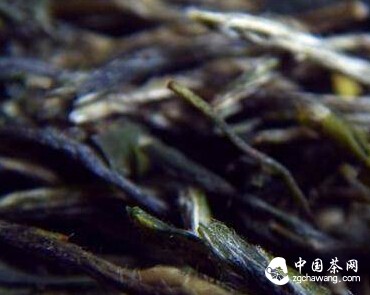
3. Smell the Dry Tea:
A pure aroma with strong penetration is superior; having odd or mixed smells, or a fleeting fragrance is inferior. However, not all good teas are very fragrant, especially aged teas; the dry leaves might not emit much aroma. Here, one must distinguish between a light fragrance and a fleeting, unreliable aroma. Simply put, the tea can be not very fragrant, but its aroma shouldn't be disorderly.
After Brewing Starts
1. Look at the Lid (or the rinsing water):
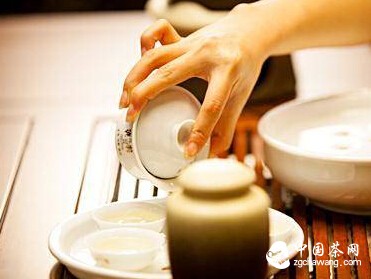
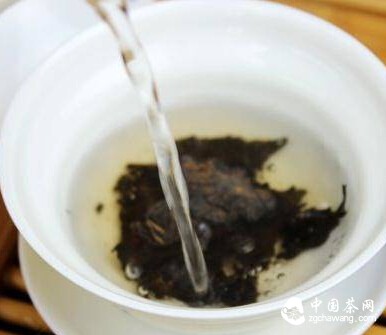
If using a gaiwan (lidded bowl), pay attention to the foam during the rinse. Little foam that dissipates quickly, with basically no residue on the lid, is superior; abundant foam that doesn't dissipate, with more residue on the lid, is inferior. Good tea is treated carefully throughout the entire production and storage process—this logic holds.
2. Smell the Lid:
First, when smelling it hot, there should be no unpleasant odors. Additionally, a rich, pure aroma that lingers on the lid after cooling is superior. A hot sniff revealing sour, astringent, burnt, or other off-odors, with a杂乱芜杂 (mixed and disorderly) aroma that doesn't persist, is inferior.
During Tasting
1. Sip the Tea:
The flavors of tea liquor are rich and diverse, difficult to describe one by one, but one common point is: the higher the degree of integration between tea and water, the better. Borrowing a tea friend's catchphrase, "This tea makes the water taste better" is the simplest yet most difficult requirement to achieve. If this sip of tea truly pleases you, it certainly isn't bad!
2. Aftertaste:
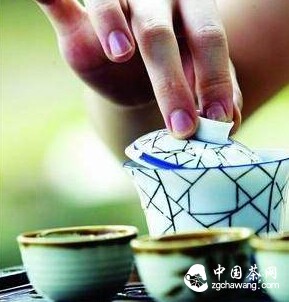
After the tea liquor goes down the throat, the real test of the tea begins. A smooth throat feel, with the fragrance and韵味 (yunwei, charm/aftertaste) lingering long in the mouth and nasal cavity, and a strong, saliva-inducing 回甘 (hui gan, sweet aftertaste) on the tongue or in the mouth is superior. A throat feel with roughness or a prickling sensation, aroma weakening significantly compared to when the liquor was in the mouth, a numb or astringent tongue surface, or a sticky,腻 (ni, greasy) feeling in the mouth as if covered by a plastic film—such tea liquor inevitably has many problems, such as coarse raw material, inadequate processing, or damp and hot storage conditions, etc.
3. Look at the Liquor Color:
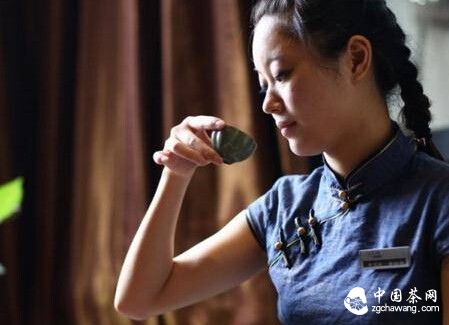
Clear and transparent is superior; cloudy and unclear is inferior.
4. Observe the Change in Liquor Color:
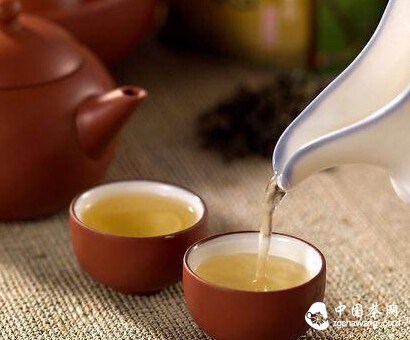
If the brewing technique is normal, then the change in the liquor's color throughout the tasting process can reveal the tea's grade. Stable liquor color throughout, gradually fading, is superior; a sharp drop after just a few brews, indicating very low endurance, is inferior. For teas whose liquor quality changes rapidly, be cautious about the possibility of "using processing techniques to elevate the grade of the raw material."
Examining the Brewed Leaves (Yedi)
♨ After tasting, examine the brewed leaves: The brewed leaves are like a woman's skin; they can't hide secrets. This is a very profound subject, but today we'll only cover the simplest points.
1. Flexibility/Resilience:
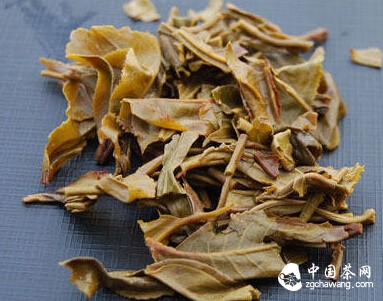
Good brewed leaves should open up naturally, be soft yet elastic (similar to skin, right?). Leaves that are too stiff or too tender are not top grade. Gently rubbing them; leaves that aren't easily mashed are better than those that crumble with a pinch.
2. Uniform Color:
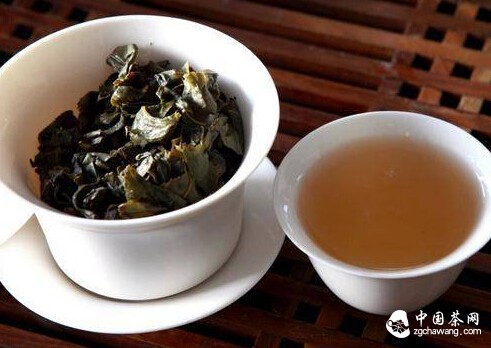
At a glance, leaves showing a uniform color without significant variation are superior; a mottled appearance, with patches of deep and light color, warrants caution. If there are burnt red spots on the leaves, the processing was not ideal enough. The "green leaves with red edges" characteristic of Oolong tea must also be even and natural, without huge differences between leaves.
3. Lustre/Sheen:
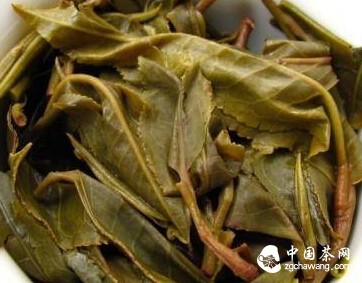
After draining the water from the brewed leaves and letting them air-dry naturally for a few minutes, leaves whose surface dries out quickly and becomes dull are certainly inferior to those that remain moist and glossy. This is similar to the skin's ability to lock in moisture.