Deep Detoxification for Healthy Skin
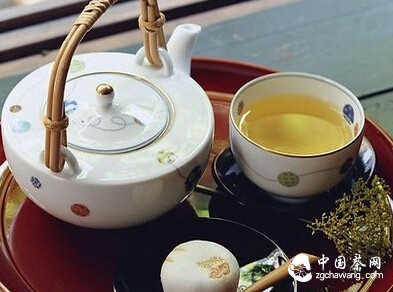
Pu-erh tea promotes saliva production, quenches thirst, relieves heat, detoxifies, and aids bowel movements. Those struggling with constipation can benefit from Pu-erh tea, as it regulates the digestive system and restores normal function, effectively addressing acne and bad breath caused by constipation.
Combat Dull Skin for a Radiant Glow
One of Pu-erh tea's most significant benefits is its ability to reduce blood lipid levels, dilate blood vessels, and improve blood circulation. This helps resolve dull skin and various stubborn spots caused by poor blood flow, resulting in a rosy, glowing complexion.
Anti-Aging for Eternal Youth
Pu-erh tea is made from large-leaf tea varieties, containing catechins and abundant tea polyphenols that help the skin resist aging and maintain youthfulness.
Now you understand why Pu-erh tea can enhance beauty. Don’t assume that aged Pu-erh tea is only about superior taste—the longer it is stored, the better its beauty benefits, along with remarkable weight loss effects.
After discussing Pu-erh tea's beauty benefits, let’s explore its other advantages—after all, Pu-erh tea is full of surprises!
Pu-erh tea contains medicinal components, and its health effects often result from the combined action of multiple active and nutritional ingredients. Below is an introduction to the nutritional value of Pu-erh tea.
Pu-erh tea contains medicinal components such as caffeine-based substances, phenolic derivatives, aromatic compounds, vitamins, and other elements. The caffeine in tea stimulates the central nervous system, relieves fatigue, improves work efficiency, and counteracts the toxic effects of alcohol, tobacco, and morphine. It also excites the heart and peripheral vascular system, acts as a cardiac stimulant, increases kidney blood flow, enhances glomerular filtration rate, promotes diuresis, relaxes smooth muscles, and helps regulate body temperature.
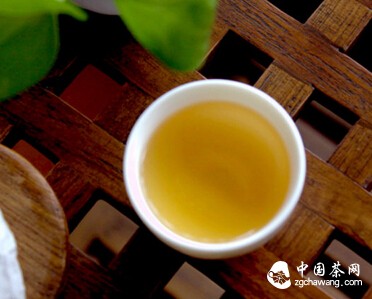
Pu-erh tea contains vitamins P, B1, B2, C, E, and others. After steeping in hot water for ten minutes, about 80% of these vitamins are released, making Pu-erh tea an excellent source of vitamins for the body, particularly B2 and C. Vitamin B2, also known as riboflavin, is most commonly deficient in diets. Lack of B2 can cause metabolic disorders and oral diseases—tea contains 1.2 mg of vitamin B2 per 100 grams.
Vitamin C, or ascorbic acid, has multiple physiological functions, especially in preventing arteriosclerosis, fighting colds, reducing bleeding, combating cancer, and protecting against hepatitis, which has garnered widespread attention. Pu-erh tea is rich in vitamin C, which is water-soluble and fully utilized. The enzymes in tea have physiological effects similar to vitamins, and some vitamins are even components of enzymes.
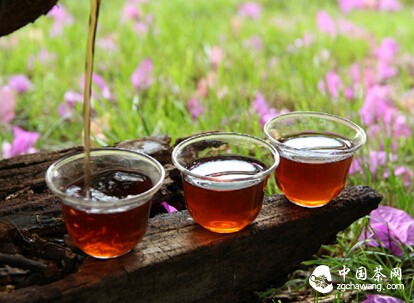
Proteins in Pu-erh tea consist of amino acids. Young tea leaves contain 2-5% amino acids, including over 20 types, most of which are beneficial to humans. Theanine is particularly abundant, a unique amino acid in tea, along with lysine, arginine, histidine, cystine, and others. These amino acids promote growth and intellectual development and help prevent premature aging and osteoporosis in the elderly.
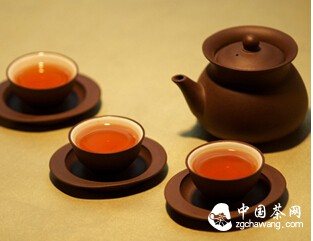
Carbohydrates in Pu-erh tea account for about 30% of its content, with roughly 5% released during brewing. Fats make up 2-3% of tea, including phospholipids, glycolipids, and triglycerides. The fatty acids in tea, mainly linoleic and linolenic acids, are essential for humans and key components of brain and卵磷脂.
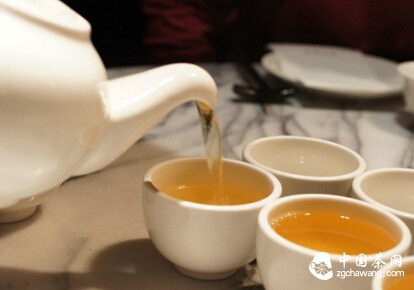
Pu-erh tea contains 4-7% inorganic substances, most of which are water-soluble and absorbed by the body. Potassium and phosphorus are the most abundant, followed by calcium, magnesium, manganese, and aluminum, with trace amounts of copper, zinc, sodium, nickel, beryllium, boron, sulfur, and fluorine. Medical experts note that inorganic substances maintain fluid balance (osmotic pressure) in the body, crucial for improving internal circulation, and serve as raw materials for "hard tissues" like bones and teeth.
Potassium is a key component of intracellular fluid. Tea not only contains high levels of potassium but also releases it easily during brewing. Research from Hunan Medical University confirms that fluoride in Pu-erh tea plays a vital role in preventing dental caries. Manganese in tea helps prevent reproductive disorders and convulsions, while zinc promotes children's growth, prevents myocardial infarction and sudden death, and has anti-cancer properties. Copper and iron in tea support hematopoietic functions.
After reading this, do you view your cup of Pu-erh tea differently? Remember, drinking tea daily leads to a lifetime of health!