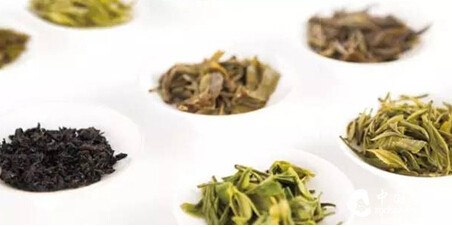
Both Light Fragrance and Strong Fragrance types belong to Oolong tea. Since Taiwanese tea companies entered the mainland market, a style of Oolong tea has appeared, using raw leaves from mainland Oolong tea varieties and processed with Taiwanese machinery and initial production techniques. This tea has a fresher aroma compared to traditional Oolong tea, and the industry calls it "Light Fragrance" Oolong tea. Correspondingly, Oolong tea produced using traditional initial processing techniques is called "Strong Fragrance" Oolong tea.
Quality Differences Between Light Fragrance and Strong Fragrance
Light Fragrance Oolong Tea
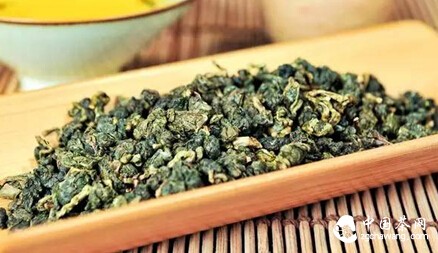
"Light Fragrance" Oolong tea has its own unique production technology. Its appearance and aroma are completely different from traditional Oolong tea. Compared to the traditional Anxi Oolong tea from Fujian with "green leaves and red edges," "Light Fragrance" Oolong tea has distinct "three green" characteristics: green dry tea, green tea soup, and green leaf base. Its shape is spherical or hemispherical. After brewing, it shows a tea bud shape in the cup. The aroma is fresh and lasting, the tea soup is bright and clear, with a tender fragrance and sweet aftertaste. The leaf base is soft.
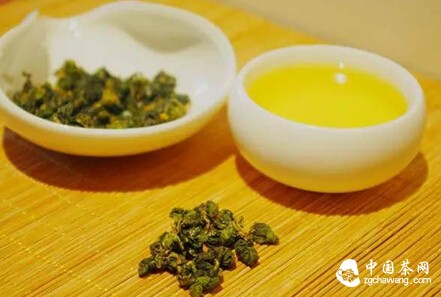
For example, Dong Ding Oolong tea has a hemispherical shape, tightly rolled strips, and a dark green, oily sheen on the dry leaves. The aroma is fresh and striking, the taste is rich and fresh, promoting salivation upon entry, smooth and sweet in the throat, with a strong lingering charm. The soup color is honey-yellow, clear, and bright.
Strong Fragrance Oolong Tea
"Strong Fragrance" Oolong tea produced with traditional techniques includes Wuyi Rock Tea, Northern Fujian Shui Xian, traditionally processed Tieguanyin, and Guangdong Phoenix Dan Cong.
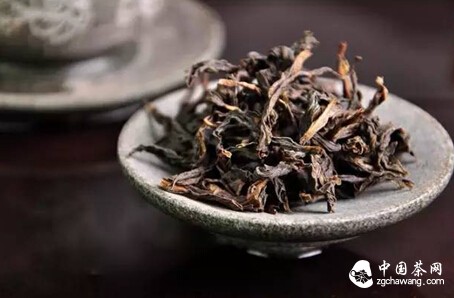
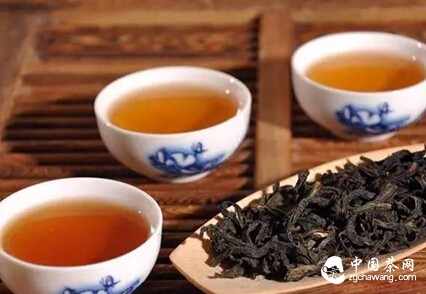
Wuyi Rock Tea has a robust appearance, twisted and tightly rolled strips, well-proportioned. The leaf surface has white, sand-like spots resembling toad skin, commonly called "toad back." The color is bluish-brown, oily, and lustrous, known as "precious light." It has good cleanliness, without overly tender stems or old leaves. The tea soup has a strong, intense aroma, surpassing orchids in depth and persistence. The taste is rich, mellow, and clean, promoting salivation and sweetness. Even when brewed strong, it shows no bitterness or astringency. This characteristic is praised as "rock bone and floral scent," commonly called "Yan Yun" (rock rhyme). The soup color is deep orange-yellow or yellow, clear and bright. The central part of the brewed leaves is light yellowish-green.
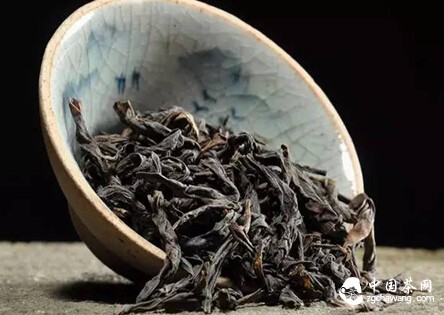
Northern Fujian Shui Xian has tightly rolled, heavy strips, an oily, dark sand-green color. The aroma is rich, with an orchid-like freshness. The taste is mellow and sweet. The soup color is clear and orange-yellow. The leaf base is thick and soft, showing a "three parts red, seven parts green" pattern. Anxi Tieguanyin tea has curled, plump, round, and tightly knotted strips, heavy and well-proportioned, with an oily, bright sand-green color, showing a shape like a green stem, green belly, and dragonfly head. The soup color is golden yellow, clear, and bright. The leaf base is thick, with a satiny luster. Its intrinsic quality has a unique "Yin Yun" (rhyme), with a rich, orchid-like fragrance. The taste is mellow, fresh, and sweet, with a long-lasting aftertaste, praised as "having fragrance even after seven brews."
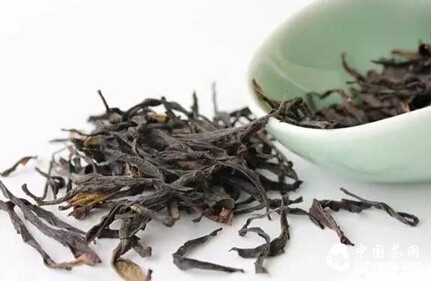
Guangdong Phoenix Dan Cong has straight, stout, tightly rolled, and well-proportioned strips. The color is grayish-brown, oily, and lustrous, resembling eel color. The aroma is high and persistent, with a natural floral scent. The taste is rich, mellow, fresh, and brisk. The soup color is bright and yellowish. The leaf base is tender and fresh, all with red edges. It has a sweet aftertaste and is resistant to multiple infusions.
Technical Definition of Light Fragrance and Strong Fragrance
Using different tea processing methods results in finished products with different aroma characteristics. Oolong tea processing combines the advantages of black tea and green tea processing methods, involving both semi-fermentation and roasting processes. The finished tea carries floral and fruity notes, generally called "manufactured fragrance." The main factors affecting the "manufactured fragrance" of Oolong tea are: shaking and withering (做青), rolling and kneading (包揉), and baking.
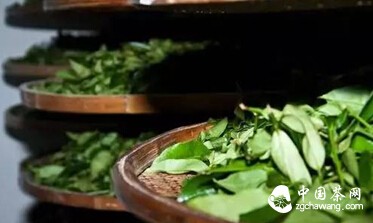
1. Shaking and Withering (做青)
Both "Light Fragrance" and "Strong Fragrance" Oolong teas require sun-withering. Because "Light Fragrance" Oolong tea undergoes lighter shaking/withering, without sun-withering, the fresh fragrance would be difficult to develop. Compared to traditional Anxi Oolong tea, the sun-withering degree for "Light Fragrance" Oolong tea is moderately light, with a water loss rate of 8%-12% being ideal. Generally, before the final stage, it involves 3 turns of indoor cooling and 2 sessions of shaking/withering, at room temperature 20-22°C, relative humidity 70%.
Wuyi Rock Tea generally undergoes 8-10 shaking/withering sessions, lasting 6-8 hours. This process is done indoors at 24-26°C, 80%-85% relative humidity. Heating is required if the room temperature drops below 20°C.
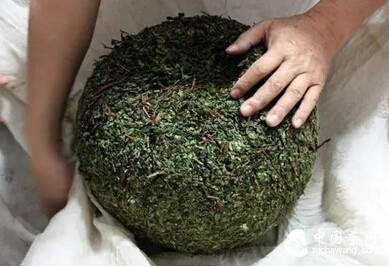
2. Rolling and Kneading (包揉)
In the shaping process of "Light Fragrance" Oolong tea, rolling and kneading always revolves around the main goal of preserving freshness and green color while achieving quick shaping. The resulting mung bean-like shape offers better commercial appearance and higher aesthetic value compared to the traditional Anxi Oolong's "dragonfly head" shape or Wuyi Rock Tea's robust strip shape.
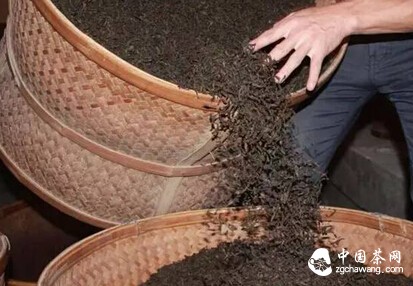
3. Baking (烘焙)
Baking is the final step in Oolong tea processing. Traditional Anxi Oolong tea also has a re-firing process, but that is for drying. The gentle, slow baking of "Light Fragrance" Oolong tea aims to收敛 (converge/hide) the aroma of the finished product, enhance the tea fragrance, and compensate for the lighter shaking/withering and less pronounced sweet aroma. Therefore, it is also called the "baking to enhance fragrance" process.
The typical representative of "Strong Fragrance" Oolong tea, Wuyi Rock Tea, undergoes baking in two stages: preliminary firing (毛火) and full firing (足火). Preliminary firing requires high temperature and rapid baking to improve the mellowness of the taste, develop the aroma, and deepen the soup color. Full firing involves a thermalization process through continuous, long-term, gentle, slow baking at low heat. This not only removes moisture for preservation but also effectively improves the soup color, enhances the mellowness of the taste, and promotes the tea aroma.
Consumer Group Comparison for Light Fragrance and Strong Fragrance
According to tea market researchers, the consumer group for "Light Fragrance" Oolong tea has three main characteristics: First, it is predominantly young people, with a larger proportion in the 21-35 age bracket, and more women than men. Second, intellectuals form a significant part. Third, consumers prefer buying tea at specialty stores, mainly because the prices are appropriate, the quality is reliable, and the service is attentive.
The consumer group for "Strong Fragrance" Oolong tea consists mainly of repeat customers. These consumers have a special fondness for "Strong Fragrance" Oolong tea. Mostly, they are established in their careers, with money and leisure time, possessing cultural refinement and strong purchasing power. Currently, the market price for Wuyi Rock Tea generally starts at 500 RMB per 500 grams, with the highest price for Da Hong Pao even reaching 8,800 RMB per 500 grams. This price trend demonstrates the strong market potential of "Strong Fragrance" Oolong tea.