Second taboo: Buying based on "packaging." Inferior teas are often packaged in "resplendent or antique-style" containers—porcelain jars, tin cans, redwood boxes... truly exemplifying "fair without, foul within."
Third taboo: Buying "complete collections." Dishonest merchants combine various low-quality teas, add so-called "elegant, premium" packaging, and name them "Five Famous Teas, Eight Famous Teas, or Ten Famous Teas." Tea lovers must avoid these; if you want to sample all types of famous teas, it requires effort.
Fourth taboo: Buying based on "location." When visiting tea regions, especially tourist spots like Huangshan, Lushan, or Wuyishan, avoid buying tea from street vendors or so-called tea farmers—99.99% of the time, you will be cheated, either with inferior tea passed off as premium, counterfeit tea, or unfair pricing.
Fifth taboo: Buying based on "grade." Terms like "supreme, divine, gold award, special grade" are often printed on tea packaging, yet if it were truly such tea, it would be worth a fortune. Tea grades are clearly defined by national standards, but dishonest merchants have muddled them—tea lovers, beware! Some cunning merchants play with grades extensively; for example, Taiwanese merchants classify Dongding tea from highest to lowest as: supreme, competition gold award, competition silver award, competition special grade, competition tea, special grade—where the supposedly high-grade "special grade" is actually the lowest.
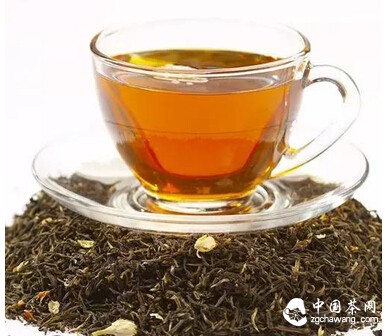
In my humble opinion, when visually selecting tea, green tea leaves must at least be "green"—whether faintly green, glossy green, dark green, yellow-green, or bluish-green... For red tea, Yunnan red tea should be plump with golden buds, Qimen red tea should be tightly rolled with a dark luster, Yichang red tea should be finely rolled with golden buds... Oolong tea is the most challenging: Northern Fujian oolong should be "dark" with dragon-like twists; Southern Fujian oolong should at least be dark green and oily.
Personally, I feel it's best to buy green tea from large tea markets or specialty shops rather than supermarkets or department stores, where you can't see the color or smell the aroma, making it easy to be deceived.