Based on seasonal changes and the intermittent growth of new tea shoots, tea is categorized into spring tea, summer tea, and autumn tea. As an old saying goes, 'Spring tea is bitter, summer tea is astringent; for good taste, choose autumn tea (referring to autumn tea).'
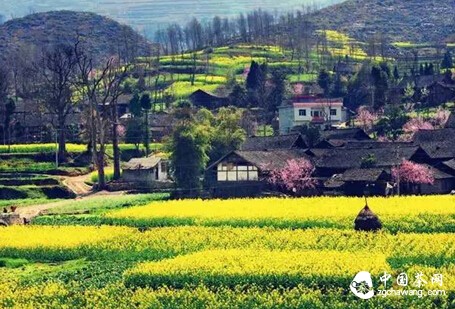
Spring tea generally refers to tea leaves made from the first buds sprouted by tea plants after overwintering. Due to the abundant nutrients in tea plants, spring tea has thick leaves, high levels of aromatic substances and vitamins, a fresh and refreshing taste, a strong aroma, and health benefits. The 'bitterness' of spring tea is highly sought after, making it nutritionally the best among teas.
Summer tea, on the other hand, has a strong flavor and is rarely consumed plain in China; it is mostly used internationally for blending milk tea.
Autumn tea, as the name suggests, is tea produced in autumn. With less rainfall and dry weather, the tea's aroma is preserved to the greatest extent during growth, picking, and processing. Tea made in cool, dry conditions retains its internal qualities well, with less moisture content, highlighting its fragrance. The color and taste of autumn tea fall between spring and summer tea, with a mild aroma and unique flavor.
Let’s look at the debate between spring and autumn tea for several famous teas:
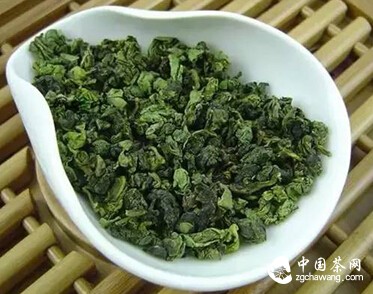
Anxi Tieguanyin has the saying 'spring water and autumn aroma.' Spring tea, having stored nutrients through winter, is richer in nutrients but susceptible to rainy weather. Autumn tea, after vigorous growth in summer, has fewer nutrients, yet the clear autumn weather easily highlights its aromatic advantages during processing.
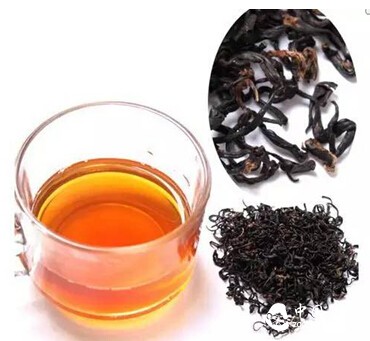
For black tea, the low temperature and high humidity in spring make fermentation difficult, while the higher temperature and lower humidity in summer favor fermentation and reddening. The heat increases the content of tea polyphenols and caffeine, resulting in reddish dry leaves and tea soup with a strong taste. However, reduced amino acids in summer tea affect the freshness, so it is often exported for blending abroad, with the most famous example being Lipton tea.
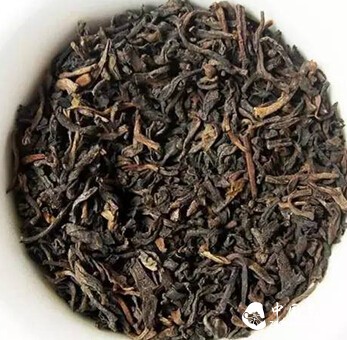
After dormancy, tea plants store abundant nutrients. With weak sunlight in winter and spring, slow growth promotes the formation of certain aroma substances. Thus, spring tea features oily color, rich aroma, mellow and sweet taste, and soft, thick leaves.
In comparison, autumn tea has a milder taste and aroma.
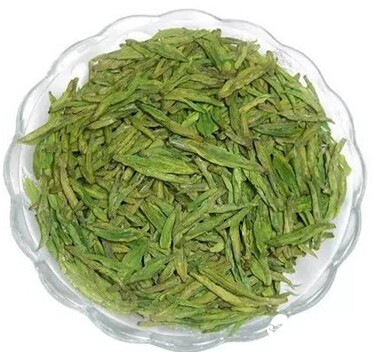
Just remember one phrase: Mingqian Longjing.