Although many articles have been published about tasting and identifying tea, tea enthusiasts often find them too complicated and verbose. Is there a simple, direct, and effective method? The answer is no, because dark tea itself is not a quick-learning product. There is no fast and effective way to immediately judge, understand, and master the strengths and weaknesses of a tea. Generally, it requires multiple repeated infusions. Many tea enthusiasts suggest brewing it at least 10 times under different weather conditions before forming an opinion.
The Chinese character for 'tasting' (品) consists of three 'mouths', encompassing the meaning of evaluating, appreciating, and experiencing the material and spiritual enjoyment that tea brings to people. Tasting tea is different from drinking tea. Drinking tea is mainly to quench thirst and satisfy physiological needs, often gulping down a bowl of tea in a few mouthfuls without much fastidiousness. Tasting tea, however, seeks spiritual satisfaction, emphasizes the意境 (artistic conception), regards tea drinking as an art appreciation, requires slow sipping, careful contemplation and appreciation, derives aesthetic pleasure from the beautiful color, aroma, taste, and form of the tea soup, and sparks associations to express one's emotions from different angles.
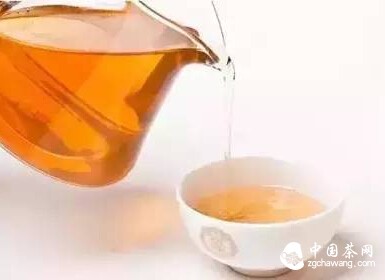
Observing Color
This primarily involves observing the color of the tea soup and the form of the tea leaves. After brewing, the shape of the tea leaves changes, almost reverting to their natural state. The soup color also transitions from light to deep, becoming crystal clear and translucent. Even teas of the same type have distinct characteristics in color due to different vintages. Observing the color changes of dark tea soup is an enjoyment. Before drinking, examine the tea soup and take a moment to appreciate it fully.
Smelling the Aroma
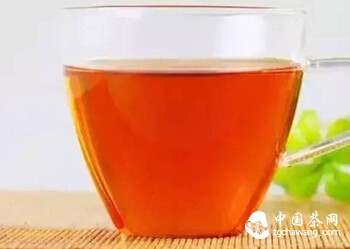
After observing the color, smell the aroma emanating from the tea soup in the fairness cup. The aroma of good tea is natural and pure, refreshing the heart and mind, and intoxicating. Inferior teas generally have a less pronounced aroma, are not pure enough, and some may have a smoky, burnt taste or a grassy smell, or even mixed foreign odors. The aroma of tea is composed of a variety of aromatic substances. Smelling the tea aroma requires careful tasting and identification to appreciate its charm fully.
Identifying Form
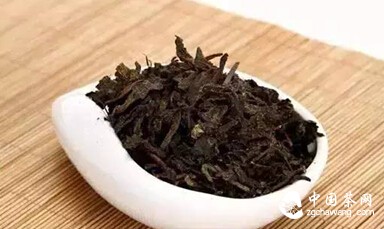
This involves observing the shape changes of the tea leaves after brewing. After being soaked in water, the tea gradually restores the original shape of the fresh leaves. Depending on the tea variety, tea region, and tree age, the leaf shapes revealed in dark tea also vary. Find the tea's origin by identifying the leaves, understand the tea's changes through storage transformation, and enjoy endless乐趣 (fun/pleasure) in observing the process of leaf change.
Savoring the Taste
After smelling the aroma of the tea soup, you can taste its flavor. Like the aroma, the taste of tea is also very complex and diverse. Shortly after entering the mouth, it quickly promotes saliva production under the tongue, with endless lingering charm. This is the effect of the chemical elements of the tea stimulating the sensory organs in various parts of the oral cavity.
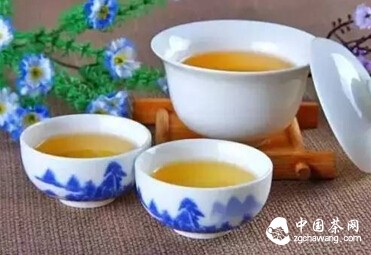
The taste buds on different parts of the tongue have different sensitivities. For example, the tip of the tongue is most easily excited by sweetness, the front sides of the tongue are most sensitive to saltiness, the back sides are sensitive to sourness, the center of the tongue is most sensitive to umami (freshness), and the area near the root of the tongue easily discerns bitterness. Therefore, after the tea soup enters the mouth, do not swallow it immediately. Instead, let it linger in the oral cavity so that all parts can fully perceive the five tastes in the tea: sweet, sour, umami, bitter, and astringent. Only then can you fully appreciate the wonderful taste of the tea soup. Different types of tea have different tastes, such as some being strong, some mild and harmonious, some fresh and brisk, and some mellow and thick, all bringing different feelings.