Nowadays, the tea on the market is of varying quality. For example, aged White Tea cakes can be sold for tens of yuan each, while the market price for aged Pu'er raw tea can reach tens of thousands of yuan. Mother Tree Big Red Robe was once auctioned at a sky-high price of 198,000 yuan per 20 grams.
Traditional Chinese tea has six major categories: Black Tea, Green Tea, Dark Tea, White Tea, Yellow Tea, plus Oolong. To pick tea leaves, different types of tea have different standards and methods.
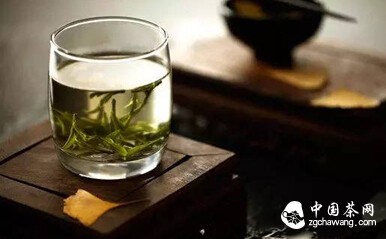
Five Steps to Identify Good Tea
Step One: Appreciate the Tea Shape
Appreciating the external form of the tea mainly involves checking if the pieces are uniform, consistent in size, and have good evenness and cleanliness. The six major tea categories each have unique shapes. West Lake Longjing Tea is flat and smooth; Biluochun Tea is curled like a snail; Lu'an Melon Seed consists of individual single leaves; Oolong Tea comes in granular or strip shapes; Yellow Tea has single bud shapes, flat shapes, sparrow tongue shapes, ring shapes, etc. Fine tea is always like a beautiful woman; the myriad forms of tea always give people aesthetic enjoyment.
Step Two: Observe the Liquor Color
Different teas have different standards for liquor color. For example, Black Tea should be bright and reddish; Green Tea should be tender green and bright; Oolong Tea should be orange-yellow and bright. Clear and bright tea liquor is good; if mixed with tea dust or other impurities, making the liquor color messy and unclear, it is inferior tea. When observing the tea liquor, a white-bottomed porcelain cup is preferable, and the light should be appropriate, which is why white porcelain cups are generally chosen as tasting cups. Under sunlight, the bottom, middle, and surface layers of the liquor in the cup will display three different beautiful colors, pleasing to the eye.
Step Three: Smell the Aroma Carefully
Smelling the aroma can be divided into smelling the aroma before brewing and after brewing. For the aroma before brewing, when observing the shape and color of the dry leaves, you can first smell the aroma of the dry tea. After the teapot has been warmed with hot water and the tea leaves are added, you can cover the lid for a few seconds to allow the heat from the pot to enhance the tea aroma, then smell the aroma again, which will be more pronounced.
The aroma released after brewing is the post-brew aroma. There are several methods to smell the post-brew aroma. If using a lidded bowl (Gaiwan) to brew tea, you can smell the aroma on the lid. When brewing Green Tea, you can smell the aroma while shaking the leaves to warm them – the aroma is particularly strong at this time. When brewing Oolong tea using an aroma appreciation cup, you can hold the cup with both hands and deeply inhale the aroma from the cup with your nose.
Step Four: Taste the Flavor
High-quality tea has a rich, mellow, fresh, brisk, full-bodied, and pure taste. Appreciating the natural taste of tea mainly relies on the tongue, where taste bud cells are distributed in different areas. Generally, the tip of the tongue is sensitive to salty tastes, the sides are sensitive to sour tastes, and the back is sensitive to bitter tastes. Therefore, when tasting tea, take small sips and let the tea liquor flow slowly in the mouth, allowing it to roll slowly on the tongue towards the back, and then swallow the tea liquor.
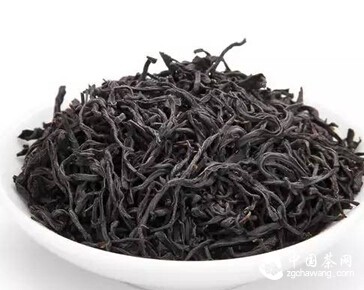
Step Five: Observe the Brewed Leaves
Observing the brewed leaves mainly involves checking completeness, tenderness, and brightness. Tea with complete buds and leaves and good brightness is superior. The brewed leaves can help distinguish genuine tea from fake, identify the tea plant variety and cultivation conditions, and reveal problems during picking and processing.
About Pesticides in Tea
Although the above methods can distinguish the quality of tea, they cannot identify pesticide residues. Organic teas must be tested by professional institutions to ensure no pesticide residues. There are national standards for 25 types of pesticides; most of these pesticides are fat-soluble and have relatively low solubility in water, so the amount of pesticide in the tea liquor is very small. For tea that hasn't been tested, it's best not to steep the tea for more than 2 hours at a time, and it's advisable not to chew or swallow the tea leaves.
Identifying Good Tea by Category
This time, we selected four types of tea: Da Hong Pao, Tongmu Guan Xiaozhong, White Peony, and Pu'er.
Da Hong Pao
Due to its rarity, Da Hong Pao tea prices range from several thousand to tens of thousands of yuan per kilogram. Regarding the authenticity of Da Hong Pao, it is basically impossible to find Da Hong Pao made from leaves picked from the mother trees on the market now. However, there are still many Da Hong Pao teas that meet national standards, belonging to second-generation products from ancient trees. The original ancient tree grade tea was once auctioned at a high price of 156,000 yuan per 20g.
Tongmu Guan Xiaozhong
Tongmu Guan is the place of origin for Lapsang Souchong black tea. Tea from Tongmu Guan emphasizes not using any chemical fertilizers or pesticides, which is commonly referred to as "organic tea." Common problems with black tea on the market include exceeding hygiene standards, failing physical and chemical indicators, passing off inferior quality as good, and counterfeiting famous teas. The latter two situations are more common.
Ripened Pu'er Tea
Pu'er, a representative of Dark Tea, is a type of tea that improves with age. Generally, tea over 5 years old is considered fine. It has effects for health preservation, healthcare, lowering blood lipids, and weight loss.
White Peony
White Peony is a historically famous tea and a representative work of White Tea. "Plump, tender, and downy" is the standard for high-quality White Tea. White Tea is actually less cooling than Green Tea, but its light flavor also makes it a choice for many young people. White Peony is made from Fujian Zhenghe Large White Tea and Zhenghe Large Bud Tea varieties, processed through traditional methods. Its leaves are plump and tender, the leaf posture is stretched, the buds are stout, the color is gray-green, the down is silvery white, the downy aroma is strong and noticeable, the fragrance is fresh and pure, the taste is mellow and sweet, the liquor is apricot-yellow and clear. It has the effects of dispelling summer heat, unclogging blood vessels, improving eyesight, resisting radiation, and detoxification.
