There are many nutrients in tea leaves, but given the very small daily intake and the limited solubility of many nutrients in water, their contribution to human health is not significant. The polyphenolic compounds in tea mainly include catechins, flavonoids and flavonoid glycosides, anthocyanins, etc. These substances are collectively referred to as phytochemicals, also known as phytonutrients, which are a large class of substances with antioxidant, anti-aging, and tumor-preventive properties. According to animal medical and epidemiological studies, tea has been proven to have cancer-preventive and anti-cancer effects. It seems that tea plays a significant role in preventing human cancer.
Can tea cause cancer? However, there are also reports that tea may not prevent cancer but could instead cause it. The reasons given for this vary. Let's analyze this in detail.
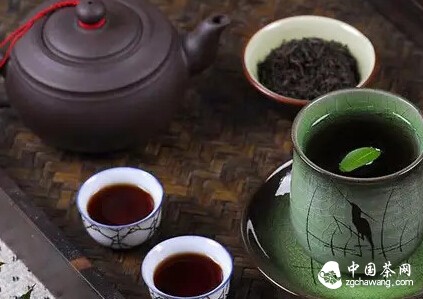
1. Does drinking Pu'er tea most easily cause cancer?
Reason: Pu'er tea is known to become more fragrant with age, but during storage, it can easily be contaminated with aflatoxin, which can cause cancer.
Truth: Pu'er tea requires several years of fermentation during its production process. This process involves several types of microbial communities, which do not include Aspergillus flavus. Whether aflatoxin contamination occurs during the post-fermentation and storage of Pu'er tea depends on the storage method and environment. However, studies have shown that aflatoxin does not thrive well in Pu'er tea. Therefore, the claim that Pu'er tea causes cancer is unscientific.

2. Can tannic acid in tea cause cancer?
Reason: Julia Morton, an economic botanist at the University of Miami, stated in her article "The Dangers in Tea" that tannic acid in tea can lead to可怕的食道癌 (esophageal cancer).
Truth: The article was published in 1987. However, evidence has shown that tea polyphenols in tea are not tannic acid; rather, they are a general term for over 30 phenolic compounds in tea. These substances are not only harmless to the human body but, on the contrary, can reduce the incidence of cancer. Therefore, equating tannic acid with tea polyphenols is incorrect.

3. Can overnight tea cause cancer?
Reason: After tea is left overnight, some secondary amine substances can transform into the carcinogen nitrosamine.
Truth: Overnight tea refers to tea that was brewed the previous day and left standing overnight. Such tea, after prolonged standing, undergoes oxidation where tea polyphenols gradually form yellow-red or reddish-brown oxidation products, causing the tea soup's color to deepen and its clarity to decrease. However, these oxidation products are non-toxic. As for secondary amines, they are not only found in tea soup; almost all foods contain them, with pickled foods having the highest levels. Therefore, overnight tea is not the main source of secondary amines. Secondly, secondary amines are not equivalent to nitrosamines; they require specific conversion materials and conditions. The trace amounts of secondary amines in long-standing tea water may not necessarily convert into nitrosamines. Thus, the claim that overnight tea causes cancer lacks scientific basis.
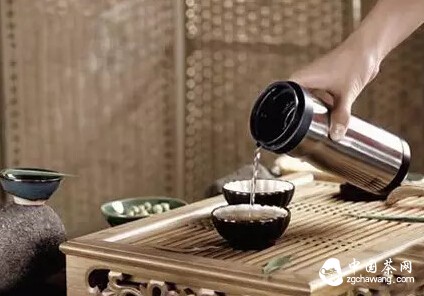
4. Does brewing tea in a thermos cup cause cancer?
Reason: Brewing tea in a thermos cup, where tea leaves are soaked in high-temperature water for a long time, can destroy its vitamins and increase carcinogens.
Truth: Many people like to brew tea in a thermos cup, believing that drinking hot tea is more effective. Brewing tea with boiling water does destroy some nutrients, but there is no scientific research data supporting an increase in carcinogens. However, modern thermos cups have very good sealing performance. Tea leaves in such a high-temperature, sealed environment can indeed lead to nutrient loss and might cause the beneficial components in tea to volatilize or change, potentially increasing harmful substances. Therefore, it is best to avoid using a thermos cup for brewing tea, or if using one, try to avoid a high-temperature, sealed environment.
Through the above analysis, it can be concluded that claims about tea causing cancer are not supported by scientific research theories, whereas there is substantial research supporting tea's role in cancer prevention. Therefore, tea does play a role in preventing cancer. However, this does not mean that all types of tea and all methods of tea drinking are healthy; there is much knowledge involved in drinking tea properly. If details are not paid attention to, the benefits might turn into harms.