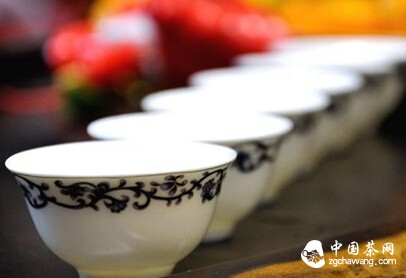
Observing, admiring, smelling, and tasting—these are the essential elements of learning to appreciate tea. Beyond mastering skills, tea drinking involves learning to enjoy the unique pleasures different tea varieties bring.
Appreciating Different Types of Tea
Different tea categories and varieties possess distinct quality characteristics. Therefore, the focus of appreciation varies for different teas, leading to different tasting methods.
1. Appreciating Premium Tender Green Tea
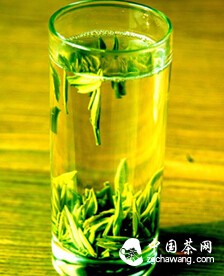
Premium tender Green Tea has a unique charm in color, aroma, taste, and shape, making it particularly endearing. When appreciating it, one can first watch the tea leaves sink, float, unfurl, and their posture through the clear, bright liquor. Observe the tea汁 seeping out, spreading, and the changing color of the infusion. Then, pick up the cup, smell its aroma first, take a sip, hold it in the mouth, and slowly swirl it around the tongue and mouth. Repeat this process to savor and appreciate fully.
2. Appreciating Oolong Tea
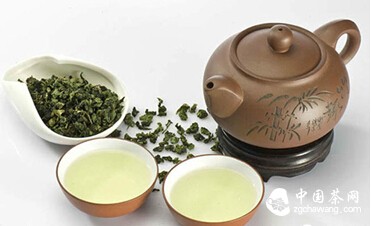
Appreciating Oolong Tea focuses on smelling the aroma and tasting the flavor, rather than appreciating the shape. In practice, some emphasize aroma over taste (e.g., Taiwan), while others prioritize taste over aroma (e.g., Southeast Asia). The Chaoshan area emphasizes hot tasting: after pouring tea into the cup, hold the rim with the thumb and index finger, support the bottom with the middle finger, slowly bring it from afar closer, let the rim touch the lips, and the cup face meet the nose. First smell its fragrance, then hold the tea soup in the mouth and swirl it, slowly savoring the taste. Usually, three small sips finish the cup, then smell the remaining fragrance left in the cup.
Taiwan uses warm tasting, focusing more on aroma appreciation. When drinking, first pour the tea from the pot into a fairness cup while hot, then divide it into aroma-smelling cups, and finally pour it into corresponding small cups. The tea aroma retained on the inner wall of the aroma-smelling cup is the essence of Oolong tea appreciation. When sipping, first place the aroma-smelling cup between the palms, point the cup opening towards the nostrils, and slowly rub the cup back and forth with both hands to enjoy the maximum fragrance. As for the sipping method, it doesn't differ much from the Chaoshan area.
3. Appreciating Black Tea
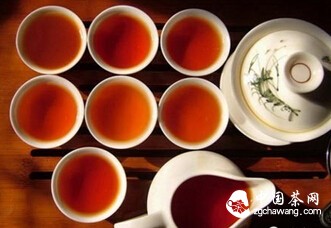
Black Tea is known as an enchanting tea, not only because of its vibrant red color, glossy appearance, sweet and pleasant taste, but also because besides drinking it plain, people enjoy blending it—sour like lemon, spicy like cinnamon, sweet like sugar, smooth like cheese.
Appreciating black tea focuses on experiencing its aroma, taste, and liquor color, so it's usually brewed in a pot first and then divided into cups. When tasting, first smell its aroma, then observe its color, and finally taste the flavor. Drinking black tea requires effort in 'savoring'; drink slowly, sip by sip, and appreciate meticulously to truly grasp the delight of black tea.
4. Appreciating Scented Tea (Floral Tea)
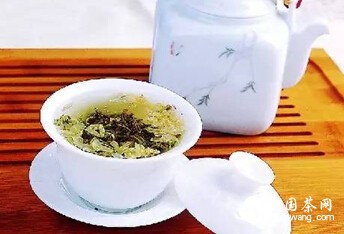
Scented Tea blends the taste of tea with the fragrance of flowers. The tea's flavor is the essence of the liquor, while the floral scent is its spirit. The tea and floral aroma巧妙地融合, creating a unique charm with a palatable liquor and fragrant aroma, hence Scented Tea is often called poetic tea.
Scented tea is often brewed in lidded white porcelain cups or covered bowls. Premium tender scented tea can also be brewed in glass cups. Once high-quality scented tea is brewed, one can immediately observe the tea dancing, sinking, floating, and displaying its posture in the water, as well as the seeping of tea汁 and the changing color of the liquor. After 2-3 minutes of brewing, one can smell the aroma. When the tea cools slightly to a drinkable temperature, take a small amount into the mouth, let it linger, and use a combination of inhaling through the mouth and exhaling through the nose to make the tea liquor flow back and forth on the tongue, tasting the tea flavor and the lingering fragrance.
5. Appreciating Tender White Tea and Yellow Tea
White Tea is a lightly fermented tea. During processing, the fresh leaves are typically withered and then directly dried. Therefore, both the liquor color and taste are relatively light.
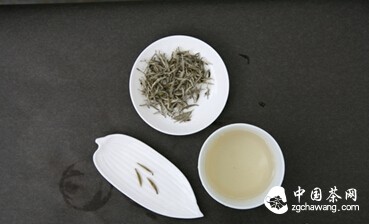
The quality characteristic of Yellow Tea is yellow liquor and yellow leaves. It is usually processed without rolling, making it difficult for the tea汁 to infuse out.
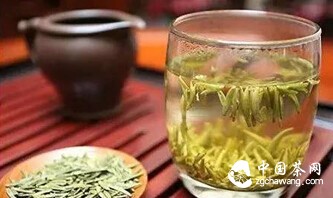
Due to the high appreciation value of White Tea and Yellow Tea, especially White Tea's Silver Needle (Baihao Yinzhen) and Yellow Tea's Junshan Silver Needle (Junshan Yinzhen), they are tea products where visual appreciation is primary. Of course, the subtle, elegant tea fragrance, the light yellowish tea color, and the mildly sweet and mellow taste are also important aspects of appreciation. Therefore, before drinking, one can first observe the dry tea leaves—like silver needles falling on a plate, or pine needles covering the ground. Then use a straight, patternless glass cup and brew with 70°C water, observing the process of tea buds moving up and down in the cup water until they finally stand upright. Next, smell the aroma and observe the color. Usually, one starts tasting only about 10 minutes after brewing. These teas particularly emphasize visual appreciation, and their drinking methods have certain specificities.