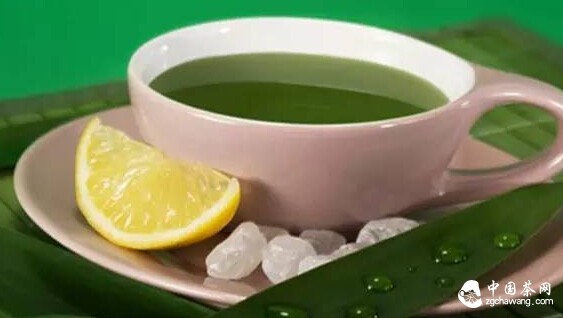
Green Tea + Lemon: Better Heart Protection
Catechins and other polyphenol compounds are widely recognized as the key beneficial components in green tea, possessing various health functions including cancer prevention, improved cardiovascular health, weight loss, and resistance to ionizing radiation.
Research from Purdue University in the USA found that adding vitamin C-rich citrus fruits to green tea increases the body's absorption efficiency of catechins, potentially boosting their health benefits by fourfold. Experiments showed that among citrus fruits, lemon has the best effect.
Green tea with lemon has a refreshing, tangy flavor, especially suitable for summer drinking. Add one or two slices of lemon, or a few drops of lemon juice, to the brewed green tea after it has cooled to a drinkable temperature. This avoids the loss of vitamin C caused by high heat.
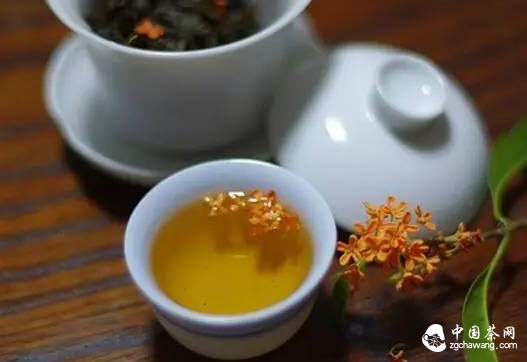
Oolong Tea + Osmanthus: Better Appetite Stimulation
Oolong tea is a semi-fermented tea, such as Tieguanyin or Dahongpao. It is rich in active substances like tannic acid, tea polyphenols, and plant alkaloids, all of which can help digest food and reduce greasiness.
Pairing it with fragrant osmanthus, which has the effects of awakening the spleen, stimulating appetite, and relieving dry throat, mouth dryness, and bad breath, can make one's appetite wide open. Osmanthus has a pungent and warm nature, making it a suitable match with the neutral-natured Oolong tea.
It's best to brew Oolong tea in a purple clay teapot or a lidded bowl (gaiwan), and it must be brewed with 100°C boiling water. Add about 3 grams of dried osmanthus flowers after the tea has been brewed and opened. Note: People prone to insomnia should use this combination sparingly, as osmanthus also has mind-clearing effects and might make it difficult to sleep after drinking.
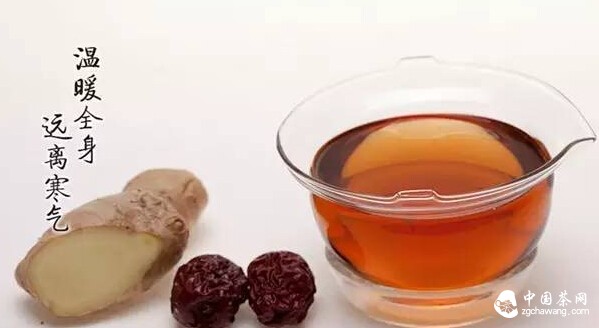
Black Tea + Ginger: Warmer Body
From the perspective of Traditional Chinese Medicine, black tea has a warm nature, capable of warming the middle and dispelling cold. It is especially suitable for people with cold stomach, cold hands and feet, weak constitution, or those who tend to have diarrhea. Ginger, pungent in taste and warm in nature, is good at dispersing wind-cold, warming the stomach, and supplementing yang.
Both have body-warming effects. Combining them doubles the result. During midsummer, many people suffer from cold-dampness or "air-conditioning sickness"; this combination can be used to dispel cold and relieve the exterior syndrome.
Brew black tea with freshly boiled water, add a few slices or shreds of ginger. The brewing time can also be relatively longer, which helps fully dissolve the flavonoids in black tea, benefiting health. Note: People with a heaty constitution are not suitable for using ginger with black tea, as drinking too much can easily lead to symptoms of internal heat.

Jasmine + Chrysanthemum: Better Eye Health
Jasmine tea is pungent, sweet, and warm in nature. It not only has the effects of resolving dampness with aroma, awakening the spleen, and harmonizing the stomach but also can clear the liver and improve eyesight. Chrysanthemum, with its fresh fragrance, enters the liver meridian and similarly has the effects of pacifying the liver, clearing the liver, and improving eyesight. This pairing can be described as "joining forces with the strong."
When brewing jasmine tea with boiling water, add five or six white chrysanthemum flowers. You can also add a few wolfberries (goji berries), which also nourish the liver and kidneys, to strengthen the eyesight-improving effect of the floral tea.
Jasmine Chrysanthemum tea can be drunk after steeping for 10-15 minutes. Chrysanthemum is relatively cold in nature. Generally, people with Yang-deficient constitution (usually feel cold) and those with spleen and stomach deficiency-cold (stomach pain or discomfort upon eating cold things) should be careful to drink less.
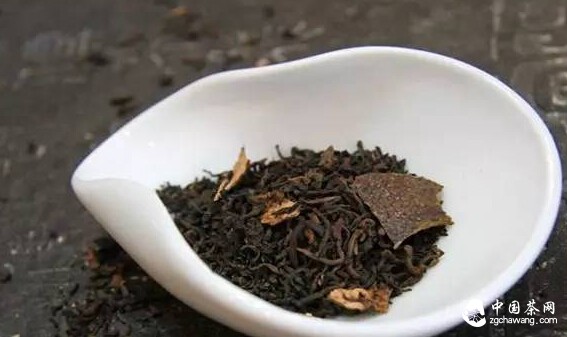
Pu'er + Dried Tangerine Peel: Better Digestion
Pu'er tea has a mild nature, causing relatively less irritation to the spleen and stomach. It can also alleviate the burden that greasy food places on the digestive system. Dried tangerine peel (Chenpi) is the dried peel of tangerines, which also has the effects of strengthening the spleen, resolving phlegm, cutting greasiness, leaving a fragrance, and stopping nausea.
First, rinse the Pu'er tea quickly for about 10 seconds to wash it and filter out impurities. Then, add a few pieces of dried tangerine peel and brew them together. This combination offers both the fresh, fruity aroma of Chenpi and the rich, aged fragrance of Pu'er, with a sweet aftertaste. It is most suitable for drinking when experiencing food stagnation.
Do not drink Pu'er tea immediately after meals. Because Pu'er tea contains a certain amount of caffeine, people who are usually easily excited or sensitive, have poor sleep quality, or have a weak constitution should drink less or none at all in the evening.