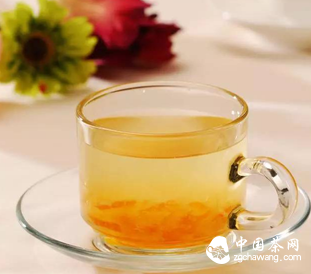
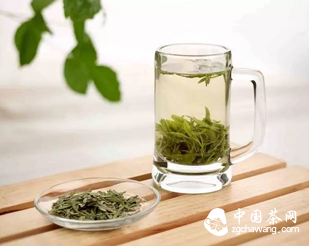
This brewing method is called the root-retaining brewing method, which is suitable for teas with high extraction rates and low tolerance to multiple infusions. The most common examples are green tea or white tea (referring mainly to new tea) brewed in glass. Leaving part of the tea soup in the cup effectively extends the steeping time of the tea leaves in water, ensuring that the next infusion has a better flavor and texture. This prevents the first brew from being smooth and aromatic while the second turns bland like water.
In addition to glass brewing, the root-retaining method is often used when brewing flower tea or black tea in large pots. Think about it: with such a large pot of water steeping the tea leaves, the extraction rate of the tea leaves has already reached 80% or even higher. If you don't leave part of the tea soup as a "base," the second pot of tea won't be very enjoyable to drink. Why should you pour out all the tea soup when brewing with a purple clay teapot or lidded bowl?
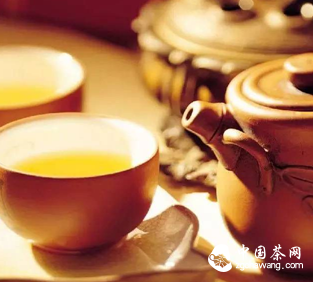
This is because purple clay teapots and lidded bowls have very small capacities. If leftover tea soup remains inside, it will quickly become concentrated and affect the taste of the next infusion. This is especially true when brewing teas with strong flavors, such as dark tea, rock tea, raw pu-erh, or ripe pu-erh. If not poured out completely, the next infusion will inevitably carry some bitterness and thickness.
If you ask, "Can the root-retaining brewing method be used when brewing green tea with a lidded bowl?" Our answer is, of course, yes! However, when using lidded bowls and purple clay teapots, the focus is often on experiencing and recording the changes in each infusion. Using the root-retaining method in such cases would take away from this fun.