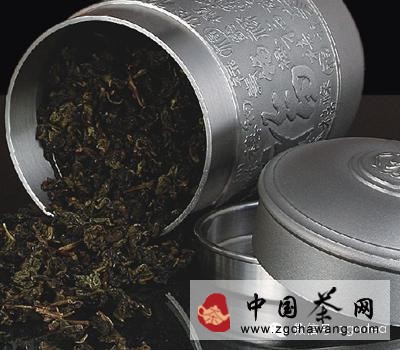
Tea is highly susceptible to moisture and odors. If storage methods are improper, it can easily absorb moisture or odors from the air, potentially losing its inherent flavor within a short period.
The more lightly fermented and aromatic the premium tea, the more difficult it is to preserve.
The best containers for storing tea are tin bottles, ceramic jars, and colored glass bottles. However, common household tea storage containers include iron cans, wooden boxes, and bamboo boxes, while plastic bags and cardboard boxes offer poorer preservation effects. Temperature significantly impacts tea storage outcomes.
Among all teas, green tea is best stored in the refrigerator, especially highly aromatic teas like Longjing tea. If storage time is short and for immediate consumption, green tea can be placed in the refrigerator with temperature set around 5 degrees Celsius; if unopened and intended for storage over one year, it should be placed in the freezer.
Note that when removing tea from the freezer, allow the tea container to reach room temperature before opening, otherwise the tea may condense moisture from the air, increasing its water content and accelerating deterioration of the remaining tea. You can divide purchased tea into multiple small packages before refrigerating, taking out only one small package each time you drink tea, which minimally affects the quality of other tea.
Oolong tea, black tea, and jasmine tea don't need refrigerator storage. Since oolong and black tea contain relatively low levels of polyphenols, they age and deteriorate slowly and are easy to store; while floral teas have strong aromas that low temperatures would suppress, reducing their freshness and concentration. Pu'er tea is best stored at room temperature in a ventilated, dry place. Because Pu'er is fermented tea containing beneficial bacteria, its characteristic taste and aging quality come from these enzymes. For enzymes to function properly, they need ventilated, cool, and dry environments—conditions not met in refrigerators, and moist conditions may lead to mold formation.