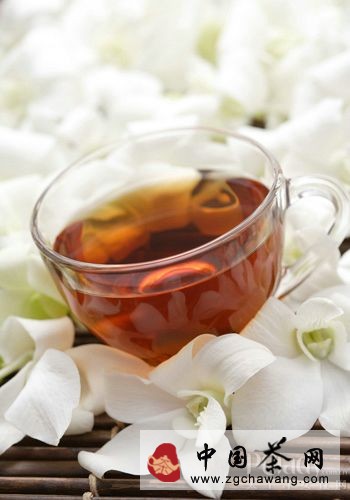
Tea, one of the world's three famous beverages, is known as the 'Emperor of Eastern Beverages'. Analysis shows that tea leaves contain over 400 components including caffeine, tannin, tea polyphenols, proteins, carbohydrates, free amino acids, chlorophyll, carotene, aromatic oils, enzymes, provitamin A, vitamin B, vitamin C, vitamin E, vitamin P, as well as inorganic salts and trace elements.
China is the homeland of tea, and tea has been a unique beverage in China for thousands of years. Traditional Chinese medical texts throughout history mention that tea can quench thirst, refresh the mind, promote urination, relieve coughs, reduce phlegm, improve eyesight, enhance thinking, eliminate irritability, reduce greasiness, relieve fatigue, and detoxify.
2 Benefits
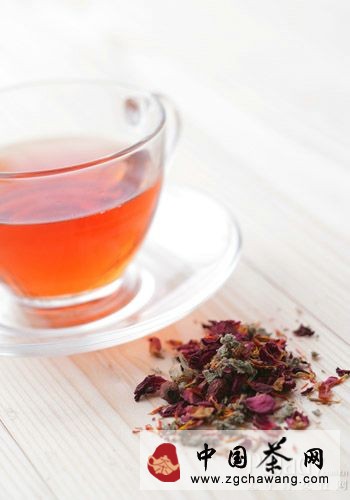
Modern research has found that regular tea consumption can refresh the mind. Tea contains about 5% alkaloids, mainly caffeine, 80% of which dissolves in water when brewing. Drinking tea can stimulate the central nervous system, promote metabolism, enhance heart function, stimulate gastric juice secretion to aid digestion and reduce greasiness, and strengthen striated muscle contraction, thus relieving fatigue and improving work efficiency. Therefore, drinking a cup of tea every morning can make people feel energized and vigorous.
Tea also has fat-reducing effects. Many ancient Chinese medical texts mention that tea can dissolve grease and aid digestion. For example, 'Ben Cao Bei An' states: 'Tea can counteract the toxins of alcohol, greasy food, and roasted meat, promote urination and defecation, and frequent consumption reduces fat and removes oil.' Thus, ancient people used tea as a digestive beverage. Modern medical research shows that tea aids digestion mainly by promoting fat metabolism and increasing the secretion of gastric juice and other digestive fluids, thereby improving food digestion and absorption.
Regular tea consumption also helps lower blood pressure and prevent arteriosclerosis. The catechins and flavonoids in tea can increase capillary elasticity, reduce blood lipids, and dissolve fat, thus preventing the accumulation of cholesterol and neutral fats in the blood or liver, which helps prevent vascular hardening.
3 Precautions
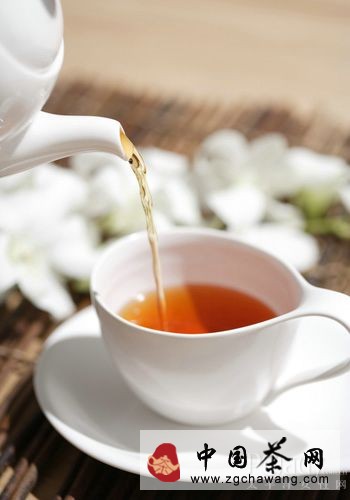
Although tea has many benefits, there are also precautions. For example, people with neurasthenia should not drink tea before bedtime; the caffeine in tea stimulates gastric juice secretion and increases stomach acid, so people with ulcers should avoid tea; the high tannin content in tea can interfere with the absorption of iron and protein, so those with malnutrition or iron-deficiency anemia should not drink tea. Additionally, avoid drinking tea on an empty stomach, avoid overnight tea, and do not drink tea immediately after meals.
Due to its cold and bitter nature, elderly people should drink hot tea rather than cold tea, as cold tea can harm the spleen and stomach. As digestive function tends to decline with age, the elderly should drink mild tea, with black tea and scented tea being suitable choices.