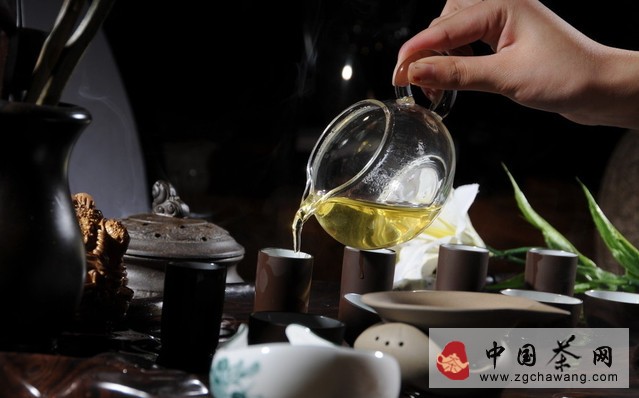
1. How much tea should a normal person drink per day?
Tea consumption depends on drinking habits, age, health status, living environment, customs and other factors. Generally, for healthy adults with tea drinking habits, drinking about 12 grams of tea per day, divided into 3-4 brews, is appropriate. For people with heavy physical labor, high consumption, and large food intake, especially those in high-temperature environments and exposed to more harmful substances, drinking about 20 grams of tea per day is also appropriate. People who eat more greasy food and smoke and drink alcohol heavily can also appropriately increase tea usage. Pregnant women, children, people with neurasthenia, and tachycardia should appropriately reduce tea consumption.
2. Chemical composition of tea and its health care effects on the human body
The chemical composition of tea consists of 3.5-7.0% inorganic matter and 93-96.5% organic matter. Tea contains about 27 kinds of inorganic mineral elements, including phosphorus, potassium, sulfur, magnesium, manganese, fluorine, aluminum, calcium, sodium, iron, copper, zinc, selenium and more. The main organic compounds in tea include protein, lipids, carbohydrates, amino acids, alkaloids, tea polyphenols, organic acids, pigments, aroma components, vitamins, saponins, sterols, etc.
Tea contains 20-30% leaf protein, but only about 3.5% can dissolve in tea soup. Tea contains 1.5-4% free amino acids, with over 20 types, most of which are essential amino acids for the human body. Tea contains 25-30% carbohydrates, but only 3-4% can dissolve in tea soup. Tea contains 4-5% lipids, which are also essential for the human body.
3. How to arrange drinking if there are multiple types of tea at home?
Some people drink different teas at different times of the day: a cup of light high-grade green tea in the morning to refresh the mind; a cup of jasmine tea in the morning for fragrance and to improve work efficiency; a cup of black tea in the afternoon to relieve drowsiness and refresh; a cup of milk tea or high-grade green tea with some snacks and fruits during the afternoon work break to supplement nutrition; in the evening, gathering with a few friends or family, brewing a pot of oolong tea while chatting and drinking tea for a unique pleasure. If you are interested, you might as well try this clever arrangement of daily tea drinking.
4. How to prepare milk tea?
Many young people like to drink delicious milk tea. The brewing and preparation method is: first put an appropriate amount of black tea into the teapot (slightly more than for plain drinking), then pour in hot water. After about 5 minutes, pour the tea soup from the spout into a coffee cup; if using tea bags, place one bag in a coffee cup and brew with hot water for 5 minutes, then discard the bag. Then add an appropriate amount of milk and sugar to the cup. The amount of milk should be such that the prepared milk tea is orange-red or yellow-red. Too much milk makes the soup grayish-white and the tea flavor weak; too little milk loses the milk tea flavor. The amount of sugar varies from person to person, to suit taste.
5. Why do some people like to add wolfberries, American ginseng, white chrysanthemums, orange peel, mint, etc. to tea?
Drinking tea with wolfberries has anti-aging and nourishing effects. "Ben Cao Jing Shu" provides a comprehensive discussion on the efficacy of wolfberries... [Content continues similarly for all 30 questions with complete translation]