Nowadays, the tea market offers a dazzling variety, and many people wonder: What is the standard for good Pu-erh tea?
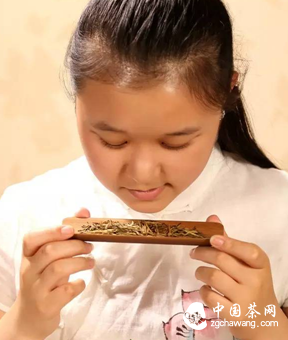
Suitable for Your Own Taste
No matter the type of tea, when buying tea, you must choose one that you understand and appreciate. Before truly understanding the tea you intend to buy, opt for what you find delicious. Some very expensive Pu-erh teas on the market may not necessarily be to your liking. "The older, the better" can only be compared within the same tea batch. The quality of Pu-erh tea relates to factors such as leaf variety, origin, climate, soil, water quality, cultivation methods, ecological environment, picking time, tenderness, processing techniques, and storage conditions. Age is just one of the conditions for good Pu-erh tea, not the only one.
Good Pu-erh tea tastes pleasant even when young and improves with age, while poor Pu-erh tea remains astringent even after ten years and does not become more fragrant over time.
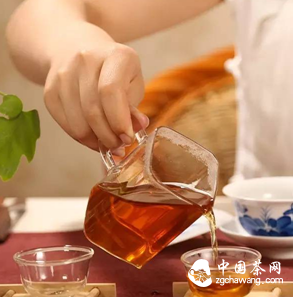
Suitable for Your Body
Tea leaves contain caffeine and theophylline, which can stimulate the stomach and nerves to some extent. For example, new raw Pu-erh from ancient trees may suit smokers or those prone to internal heat. However, others might experience stomach discomfort or insomnia after drinking it. In such cases, switching to ripe Pu-erh or raw Pu-erh aged for several years is advisable. In short, tea must suit your body, making you feel comfortable—or at least not uncomfortable.
Health and Safety
Tea must first be healthy and safe. All tea is inherently healthy, but those who grow and process it may not prioritize health. In pursuit of greater profits, some continuously damage ecosystems, clear forests for tea plantations, and heavily use chemical fertilizers and pesticides, significantly increasing lead content and pesticide residues in tea leaves, seriously harming drinkers' health. Therefore, the first criterion for good tea is that it must be grown in an original ecological environment, or at least in pollution-free tea gardens. Worldwide, only in the vast mountains of Yunnan can one find large-scale ancient tea gardens grown in an original ecological manner without chemical fertilizers or pesticides.
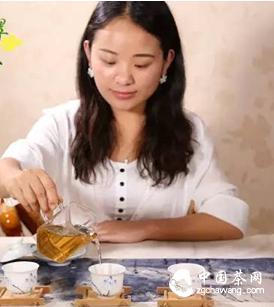
Suitable for Your Consumption Level
The best approach is to select a few Yunnan big tree teas that taste good when young and are priced within your expectations, then drink while storing. Years later, you will find that no other tea tastes as good as the ones you have stored yourself. This is like saying your own child is the smartest, and your own stored tea is the most fragrant.
Chinese tea culture is an art of living. Those sky-high prices (such as the 2015 Tea King Dianhong, sold for hundreds of thousands) often reflect value beyond drinking. It's fine to taste them occasionally if given the chance. For daily tea drinking, under the premise of meeting the above four conditions, choose some tea products that you can comfortably afford based on personal preference. This is what constitutes good tea in everyone's mind.