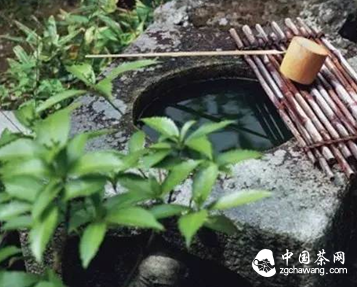
To judge the quality of tea, it must be brewed first. However, the softness, hardness, clarity, and turbidity of the water all affect the color, taste, and aroma of the tea soup. Since ancient times, China has placed great importance on the selection of water for brewing tea. In Chinese tea art, water must not only conform to physical and natural principles but also embodies tea masters' love for nature and their profound aesthetic taste. Tea practitioners have a saying: There are various types of tea, and many kinds of water; good tea still requires good water to match, as the character of tea is ultimately expressed through water. Eight-part tea met with ten-part water becomes ten-part tea; eight-part water met with ten-part tea results in only eight-part tea.
Water hardness is divided into carbonate hardness and non-carbonate hardness. The former produces sediment when boiled, resulting in a dark tea soup with a bland taste. Water hardness affects the pH value of the water. When the pH of the brewing water is above 7 (alkaline), the tea soup appears dark, reducing the freshness of its flavor.
Types of water include mountain spring water, river water, "rootless" water (rainwater/dew), well water, and daily-use water.
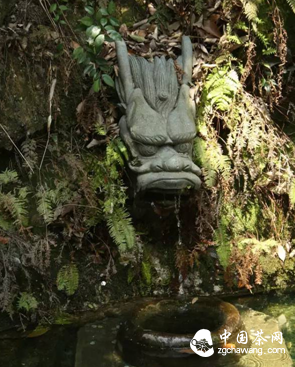
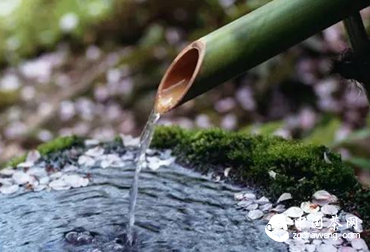
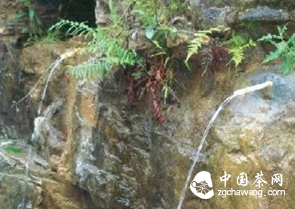
Spring Water: Filtered through sand and gravel and in a flowing state, it is most suitable. China's Five Famous Springs: Zhongling Spring in Zhenjiang, Huishan Spring in Wuxi, Hupao Spring in Hangzhou, Guanyin Spring in Suzhou, and Baotu Spring in Jinan.
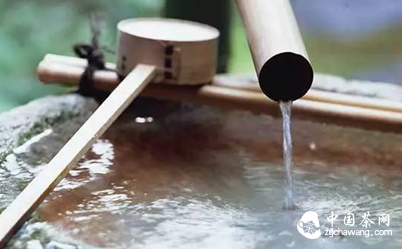
River Water: Contains some silt. For river water, it is best to collect it between 3-4 AM (when free from air pollution), let it settle in a vat for about 24 hours, and then use it.
"Rootless" Water: Includes rainwater and morning dew. Autumn rain is considered the best, followed by plum rain, with thunderstorm rain being the poorest.
Well Water: Prone to pollution and rich in minerals, it is not suitable for brewing tea.
Daily-Use Water: Distilled or deionized water is best and also the most practical choice for brewing tea. If using tap water, it's best to let it sit overnight and use the upper layer of water.
For any water, emphasis must be placed on: Clear source, sweet taste, clean quality, light texture, and cool temperature.
The water temperature for brewing tea should be 100°C boiling water as the standard. Over-boiled water or water with insufficient temperature is not suitable. For water used in tea evaluation: "When it boils with bubbles like fish eyes and makes a slight sound, that is the first boil; when bubbles spring continuously like a bubbling fountain, that is the second boil; when waves surge and roll, that is the third boil. Water boiled beyond this point is too old and should not be used." Using freshly boiled water to brew tea allows the tea's fragrance to be fully released, and its aroma, sweetness, bitterness, and astringency to be revealed completely, enabling a correct judgment of the tea's quality. As for daily tea drinking for enjoyment, the purpose is to appreciate the tea and enjoy the pleasure of tasting. Therefore, brewing techniques are emphasized to highlight the tea's strengths and compensate for any quality flaws, leading to the practice of using water at different temperatures to brew different teas. For brewing green tea, since the tea leaves are more tender, water around 80°C is appropriate. If the temperature is too high, it can easily scald the tea buds, causing tannins to leach out too quickly and making the tea soup bitter.