Although drinking tea is a healthy activity, it still requires moderation. Exceeding what the body can handle can also have adverse effects. The appropriate amount of tea should be measured based on an individual's living environment, climate conditions, customs, and health status. Only by drinking tea scientifically can its beneficial effects on the human body be most effectively realized.
Drinking tea must also be moderate. Long-term excessive daily tea consumption, especially overconsumption of strong tea, is detrimental to health.

There is a British slogan promoting tea drinking: "For health, drink four cups of tea a day." As early as 1907, the American magazine Tea & Coffee Trade Journal introduced tea leaves by stating: "When brewed normally with good quality tea, ordinary people can drink five or six cups a day without harm." With the promotion and popularization of tea consumption, empirical data in this area have become increasingly abundant, and related understanding has deepened.
You might naturally ask: Different people use cups of varying sizes, so how can the amount of tea be determined based on the number of cups? Considering the human body's reasonable needs for the health components and nutritional elements in tea, as well as the body's demand for water, Professor Tu Youying from the Tea Science Department of Zhejiang University suggests (Tea and Health, edited by Tu Youying, 2011): For adults, the appropriate daily amount is typically 5-15 grams of dry tea leaves for brewing. The total water used for brewing these leaves can be controlled between 400-1500 milliliters. Of course, if drinking Yunnan tea, known for its rich inner quality, the amount of tea leaves can be appropriately reduced.
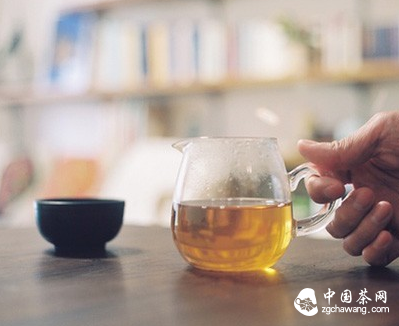
That is, for a normal adult, it is generally appropriate to drink about 2-3 cups of medium-strength tea per day: each cup uses 3-5 grams of tea leaves and 150-300 milliliters of water—typically, a soda can volume is 355 milliliters, and a small bottle of Nongfu Spring mineral water is 380 milliliters. Each batch of tea leaves is suitable for brewing 2-3 times; it is not advisable to repeatedly brew them too many times. During each brewing, you can adjust to your preferred concentration based on your taste habits and the appropriate tea-to-water ratio.
This is only a general recommendation for the total daily tea consumption for ordinary people, serving as a reference guide. Specific considerations should also include age (the elderly may drink more tea than teenagers), tea-drinking habits (tea enthusiasts may drink more than those who drink less), living environment, climate conditions, customs, and personal health status.
People with high physical activity, greater consumption, and larger food intake can appropriately increase their daily tea consumption, such as 15-20 grams. Those whose diet is mainly meat or who consume large amounts of meat, such as people living or working long-term in areas lacking vegetables and fruits like islands, high mountains, and border regions, can also drink more tea. A daily tea consumption of 20-30 grams is acceptable to compensate for insufficient intake of vitamins and other nutrients. However, for those who are physically weak or suffer from conditions like neurasthenia, iron-deficiency anemia, tachycardia, etc., it is generally advisable to drink less or even no tea.
Additionally, from the above figures, it can be seen that relying solely on tea cannot fully meet the human body's daily water needs. A normal adult consumes an average of 2500 milliliters of water daily. Apart from the 300 milliliters of water produced by internal material metabolism, at least 2200 milliliters of water must be supplemented daily to maintain the balance of the body's water and salt metabolism—therefore, tea is not the sole source of hydration. In daily life, water needs can also be met by drinking plain water, soups, and various beverages.
Drinking tea has its nuances; its advantages and disadvantages vary from person to person and with circumstances. Only by drinking tea scientifically can its beneficial effects on the human body be most effectively realized. Of course, for normal individuals in good health and without special conditions, drinking an extra two or three grams of tea daily does not have a significant impact. Therefore, fellow tea enthusiasts should keep a general idea in mind, with the key being to grasp a level of moderation that feels appropriate for their own bodies.