Dark tea contains relatively rich nutritional components, most importantly vitamins and minerals, as well as proteins, amino acids, and saccharides. For residents in the northwestern regions whose staple foods are beef, mutton, and cheese, and whose diets lack vegetables and fruits, it is an important source of essential minerals and various vitamins for the human body, earning it the reputation as the tea of life. Therefore, they drink dark tea after eating meat. Below is an introduction to the principle of why drinking dark tea is suitable for high meat consumption.
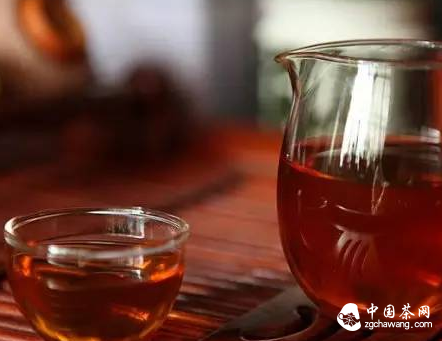
Compared with other types of tea leaves, dark tea has the highest content and strongest activity of tea polysaccharides. Soviet scholar B·A Samdak first reported pharmacological research on tea polysaccharides. Tea polysaccharide is an acidic glycoprotein that binds a large number of mineral elements and possesses a series of special health care functions such as lowering blood sugar and lipids, improving immunity, anticoagulation, antithrombosis, hypoxia resistance, UV resistance, and radiation resistance.
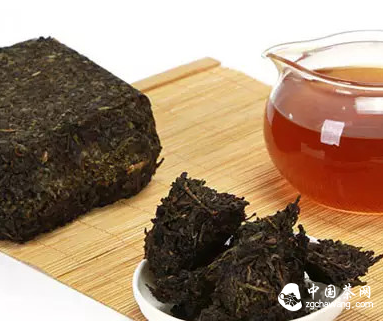
In 1990, the PLA General Hospital conducted an observation: 55 veterans with hyperlipidemia living in a cadre rest home were given dark tea continuously for 180 days, 3 grams per day. Among them, 50 cases showed a significant decrease in blood lipid levels after six months. This is because dark tea can reduce peroxides in the blood. These peroxides can damage the biomembranes and subcellular organelles of body cells, affecting cell function. Dark tea can reduce the incidence of coronary heart disease by decreasing peroxide activity.
At the same time, many studies have proven that tea polysaccharides can protect and stimulate the secretory activity of insulin cells, effectively lowering blood sugar by enhancing the activity of hepatic glucokinase. Moreover, tea polysaccharides can significantly inhibit platelet adhesion, reduce blood viscosity, and increase fibrinolytic activity, thereby exerting anticoagulant and antithrombotic effects.
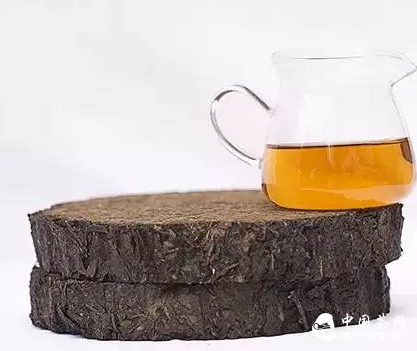
Due to the post-fermentation process in dark tea processing, its nature becomes milder and more moistening. Its effects in removing grease, digesting fat, and lowering blood lipids are more significant. Consumers whose usual diet is mainly meat products can choose dark tea.