Wuyi Rock Tea is produced in the Wuyi Mountains, famous for their exceptional beauty in southeast China. It belongs to the Oolong tea category (semi-fermented tea), one of the six major tea classes. It possesses both the sweet mellowness of black tea and the fresh fragrance of green tea, making it a tea treasure that fully embodies "liveliness, sweetness, clarity, and aroma." The Wuyi Rock Tea family is vast, with over a thousand varieties, but all are celebrated as "the essence bestowed by magnificent mountains and rivers, possessing the victory of rocky bone and floral fragrance." The production process of Wuyi Rock Tea involves thirteen steps, each intricately linked. Only with the right timing, favorable geography, and skilled craftsmanship can a tea with true "rock bone and floral fragrance" be created.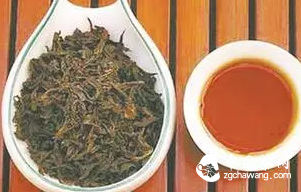
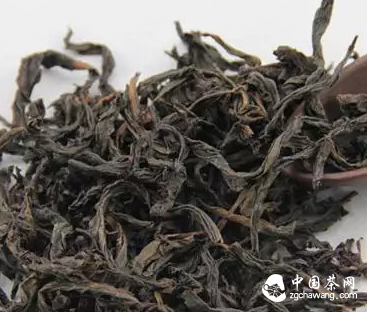
How does one appreciate a Wuyi Rock Tea? This guide will take you through evaluating its appearance (strip shape, color, integrity) and inner quality (aroma, taste, liquor color, brewed leaves). Among these, aroma and taste are the two most important indicators.
The aroma of Wuyi Rock Tea can be categorized into:
Herbal Aroma: The inherent aroma of the tea leaves themselves, similar to the scent of sun-dried leaves.
Processing Aroma: Not inherent to the leaves, but generated during processing. The most prominent is the caramel aroma (also called fire-roasted aroma), reminiscent of the smell of rice crust.
Cultivar Aroma: The unique floral-fruity aroma formed after a specific tea cultivar undergoes processing (fermentation and oxidation).
Terroir Aroma: The aroma with strong regional characteristics produced by the same tea cultivar growing in different environments.
Tip: Generally, when the cultivar aroma can be clearly perceived during appreciation, the tea quality is considered good. The most ideal and refined aroma type is a floral-fruity caramel scent formed on the basis of the cultivar's characteristic fragrance combined with precise roasting technique. This is considered superior and excellent quality.
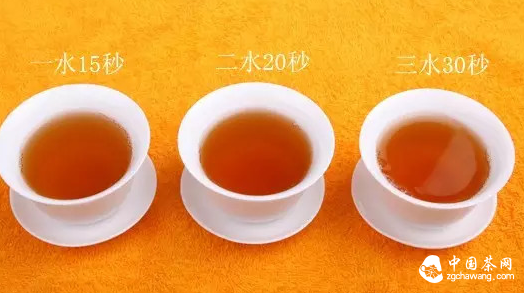
Taste
Liveliness (Huo): Refers to a smooth, refreshing mouthfeel with a pleasant sensation and no astringency, accompanied by a clear, crisp aftertaste in the throat.
Sweetness (Gan): Refers to a quick returning sweetness that is refreshing, sweet, and moist.
Clarity (Qing): Refers to purity without miscellaneous flavors, providing a clean and comfortable sensation.
Aroma (Xiang): Refers to holding the tea liquor in the mouth and sensing a rich, fragrant aroma rushing through the nose, leaving a lingering fragrant sensation on the teeth and cheeks after drinking.
Richness (Nong): Refers to a strong yet mellow taste without obvious bitterness or astringency.
Thickness (Hou): Refers to the substance or "bone" of the tea liquor. Sipping gives a sense of substance, with a lasting presence, often described as "the tongue retains sweetness throughout the day."
Rhythm (Yun): Refers to the distinctiveness of the "rock rhythm" (Yan Yun), i.e., the "rock bone" aspect of "rock bone and floral fragrance."
Persistence: Refers to the lasting quality of the comfortable and pleasant sensation in the mouth, not the persistence of bitterness, astringency, or off-flavors.
Tip: The above are just some primary factors. Of course, other elements such as environment, timing, physical condition, mood, and whether it's before or after a meal can also influence the tasting experience.