Oolong tea (oolong tea), also called green tea, is a semi-fermented tea with many varieties. It is a distinctive tea category among China's major tea types, possessing unique Han Chinese characteristics. Oolong tea is produced through processes such as picking, withering, shaking, frying, rolling, and baking, resulting in a high-quality tea. Famous varieties like Tieguanyin and Da Hong Pao belong to oolong tea. Today, let's explore the origin of the name 'oolong tea.'
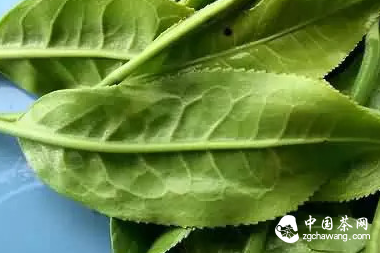
In the Fujian dialect, 'oolong' means 'muddled' or 'confused.' This is why in soccer, scoring an own goal is called an 'own goal' (literally 'oolong ball' in Chinese). Why would such a delicious tea be named after something 'muddled'? This stems from a local legend.
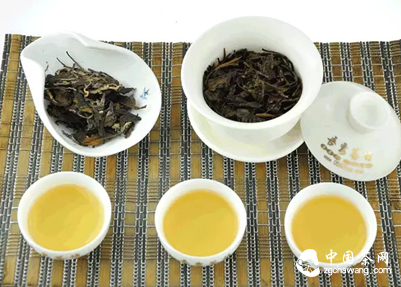
Legend has it that a tea farmer, after picking tea leaves in the mountains, carried them down in a bamboo basket. The rugged mountain path caused the fresh leaves to jostle and shake inside the basket as he walked. This collision unexpectedly produced a floral fragrance. The farmer applied this accidental discovery to tea processing, which later evolved into the special 'shaking' technique. At the time, due to limited scientific knowledge, the farmer couldn't explain this mysterious phenomenon, so he called the tea 'oolong tea'—the 'muddled tea.' Thus, 'oolong tea' became the common name for this type of tea.
While legends are legends, the processing techniques for any tea category are the result of countless experiments and refinements. However, this story helps people easily remember the 'shaking' process in oolong tea production and understand that the aroma of Tieguanyin and Da Hong Pao comes from this crucial step.
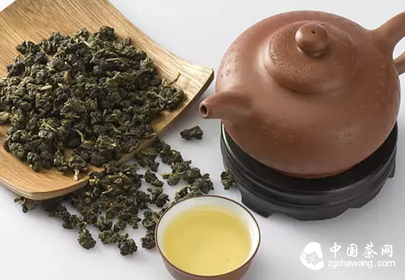
Modern science provides a clear explanation for the 'shaking' process that ancient tea farmers found puzzling. Typically, tea farmers alternate between sun-withering (drying the fresh leaves) and shaking, often repeating the cycle three or even six times. Shaking causes the edges of the tea leaves to collide and break, leading to slight oxidation of the tea polyphenols, which convert into thearubigins. This forms the most distinctive feature of oolong tea: 'green leaves with red edges.' Additionally, shaking is key to developing the tea's aroma. Through shaking, the chemical compounds in the tea leaves increase from over 50 to more than 300, resulting in floral, fruity, and other aromatic notes.
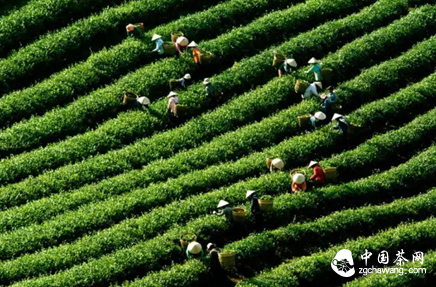
After reading this, you should now understand where the aroma of Tieguanyin and Da Hong Pao comes from. In fact, for all types of tea, learning a bit about tea science, including cultivation, processing, and evaluation, can help you appreciate tea more knowledgeably, rather than drinking it in confusion.