China has a millennia-old tea culture. It can be said that almost every household, even if they don't drink it themselves, keeps some tea leaves on hand. Why? Because many people drink tea, and serving tea to relatives and friends is a matter of etiquette.
Besides culture and etiquette, tea is also a matter of personal preference, and there are many enthusiasts in China—likely hundreds of millions. However, very few among them truly understand how to drink tea healthily. As a result, regular tea drinkers may not gain health benefits but instead develop some issues. So, what are the taboos of drinking tea? How can one drink tea healthily?
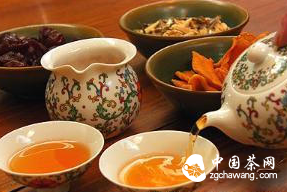
First, a cup of tea after meals. Some say that a cup of fragrant, strong tea after a meal aids digestion and is a great pleasure in life. In fact, this is incorrect and a major taboo in tea drinking.
Drinking tea after meals may lay the groundwork for anemia. Consuming such caffeine-containing beverages immediately after eating can impair the body's absorption of iron, potentially leading to anemia over time.
To prevent anemia, one should wait at least 2–3 hours after a meal, until the stomach is empty, before drinking tea. Regularly consuming iron-rich foods like leafy greens, red beans, and pork liver can also help prevent anemia in the long run.
Besides posing a risk for anemia, drinking tea after meals can easily contribute to fatty liver. Some people enjoy drinking tea immediately after consuming greasy or heavy meals to cut through the richness, but this practice is also mistaken. Tea contains large amounts of tannic acid, which can combine with proteins to form absorbent tannin-protein complexes. These complexes slow intestinal motility, potentially causing constipation and increasing the liver's exposure to toxic substances, thereby leading to fatty liver.
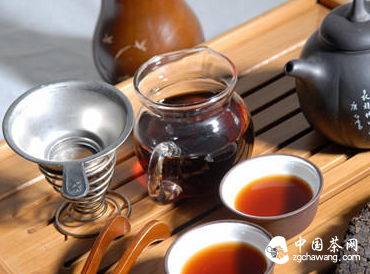
Second, repeatedly steeping tea or drinking overnight tea. Some people use an excessive amount of tea leaves and steep them repeatedly from morning till night. Unbeknownst to them, prolonged steeping significantly reduces the beneficial compounds (including vitamin C) in the tea. In warm temperatures, the tea is also prone to microbial contamination, which is unhygienic. Additionally, some teas contain excessive lead, and prolonged steeping increases the lead content in the tea water. Therefore, use fewer tea leaves when brewing, and replace them after three steepings.
Amines in tea can react with nitrites to form nitrosamines, which are recognized as strong carcinogens. The formation of such substances is closely related to overnight tea.