Those who enjoy drinking tea must be familiar with green tea and black tea, undoubtedly two of the most common and historically significant tea varieties in China. Green tea has a light, bitter fragrance, while black tea carries a subtle sweetness. Both teas have their own distinct features and are beloved and highly regarded by many. However, many people who are not tea experts do not fully understand the differences between green tea and black tea, with many forming their perceptions from commonly consumed bottled tea beverages. Some even struggle to distinguish between the two.
To help everyone better understand Chinese tea, we have specially gathered some information on green tea and black tea to analyze their differences. This will allow everyone to recognize the distinctions between the two types of tea and truly appreciate their flavors when drinking tea in the future.
Differences in Production Process
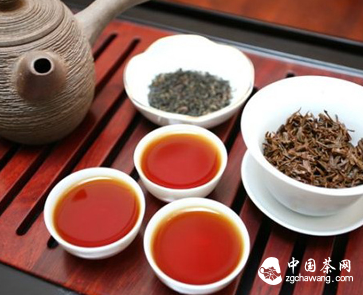
Black Tea: A fully fermented tea with a fermentation degree of 80–90%. The production process does not involve de-enzyming (kill-green) but instead proceeds directly to withering, rolling, and cutting, followed by complete fermentation. This causes the tea polyphenols in the tea leaves to oxidize into theaflavins, resulting in the characteristic dark reddish leaves and red tea soup of black tea.
The dry tea leaves and brewed tea soup of black tea are primarily red in tone, hence the name "black tea." When first created, black tea was called "black tea." During processing, chemical reactions occur, significantly altering the chemical composition of the fresh leaves. Tea polyphenols are reduced by over 90%, giving rise to new components such as theaflavins and thearubigins. Aromatic substances increase from over 50 in fresh leaves to over 300, while a portion of caffeine, catechins, and theaflavins combine to form flavorful complexes, resulting in the quality characteristics of black tea: red leaves, red soup, and a sweet, mellow taste.
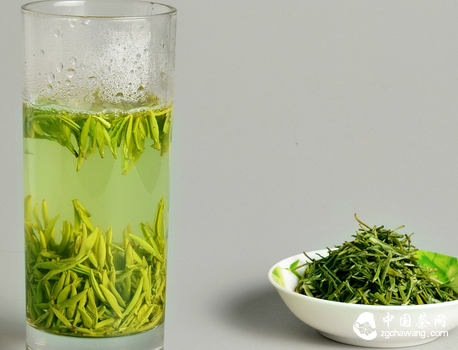
Green Tea: Produced without any fermentation process,
it is made from suitable fresh tea shoots, which are harvested and processed through classic techniques such as de-enzyming (kill-green), rolling, and drying. The dry tea leaves, brewed tea soup, and tea residue are primarily green in tone, hence the name. The taste is fresh, brisk, and pleasantly refreshing. Depending on the processing method, it can be further divided into pan-fired green tea, such as Longjing and Biluochun, and steam-fixed green tea, such as Japanese Sencha and Gyokuro. The former has a strong aroma, while the latter offers a fresh, green sensation.
Differences in Brewing Water Temperature
High-quality green tea, especially tender leaf-bud varieties, is typically brewed with water at around 80°C. Water that is too hot can easily destroy vitamin C in the tea and cause caffeine to dissolve excessively, turning the tea soup yellow and making the taste bitter.
For brewing various flower teas, black tea, and medium to low-grade green teas, water at 90–100°C is used. If the water temperature is too low, fewer effective components dissolve, resulting in a weak tea flavor.
Differences in Tea Soup Color
In the first few minutes of brewing, black tea appears light brown, while green tea soup is clear green. After brewing for over half an hour, black tea turns brown, while high-quality green tea remains green. Green tea pigments are bright, appearing green or dark green, whereas black tea colors are light brown or dark brown.
Differences in Appearance
Black tea is characterized by red leaves and red soup, a quality achieved through fermentation. The dry tea leaves are dark and glossy, with a mellow, rich, and sweet taste, and the tea soup is bright red. Black tea includes types such as "Gongfu Black Tea," "Broken Black Tea," and "Souchong Black Tea."
Green tea is the most produced tea variety in China and belongs to the category of non-fermented teas. It is characterized by green leaves and clear soup. High-quality new tea has a glossy green color, visible buds, and a bright tea soup.
After discussing so much, everyone should have a certain understanding of these two types of tea and now recognize their differences. In fact, whether it's green tea or black tea, drinking either is beneficial to the human body. Black tea is a fermented tea, and drinking it occasionally helps aid digestion and eliminate greasiness in the body, especially after consuming rich, fatty foods. Green tea, on the other hand, retains natural components that help delay aging and prevent cancer. Regularly drinking green tea can also lower blood lipids, and in summer, it helps relieve heat and detoxify. It can be said that both teas offer numerous benefits.