The so-called new tea refers to the tea leaves processed from the first few batches of fresh leaves picked from tea trees in the spring of the current year. In pursuit of tenderness, some tea farmers start picking tea before the Qingming Festival, which is called pre-Qingming tea; tea picked before the Grain Rain solar term is called pre-rain tea. Some consumers take pleasure in tasting new tea, vying to buy pre-Qingming and pre-rain tea. In fact, the notion that "the fresher the tea, the better" is a misunderstanding. Not all teas are better when fresher; Pu'er tea and black tea improve with age, while the teas that追求 freshness are green teas. However, even green tea does not need to be so fresh as to be drunk immediately after picking.
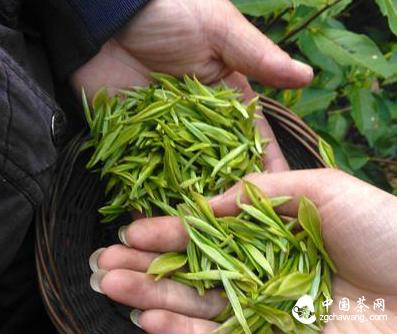
Tea processed from leaves picked in the previous year or even earlier, even if stored properly and in good condition, is generally referred to as aged tea. Thus, in reality, while for most tea varieties new tea is better than aged tea, there are also aged teas that are no worse than new tea, or even better.
Here are three simple advantages of aged tea:
1. Aged tea differs from new tea, offering a mellower taste.
Aged Tieguanyin is a premium product among Tieguanyin teas. After baking and cooling, it is sealed and stored in special stone-wood structured cellars that remain cool in summer and warm in winter, promoting post-fermentation and a series of transformations. It accumulates a wealth of精华物, resulting in a fragrant, smooth, clear, and refreshing taste with lingering sweetness and醇厚 texture.
Similarly, high-quality aged Baihao Yinzhen also has a glutinous aroma when sipped. Its taste is甘醇浓郁 with a持久回甘, sweet and smooth—different from new tea, with a more醇厚 flavor that makes one sip after another, unable to stop.
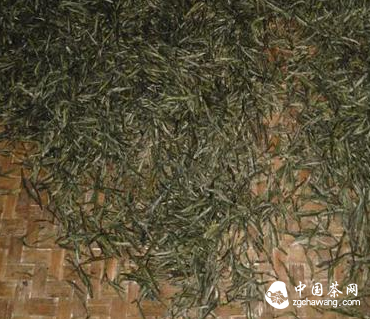
2. The medicinal efficacy of aged tea is significantly enhanced compared to new tea.
Compared to new tea, the considerate aspect of aged tea is that oxidation reduces the content of刺激性物质 in the tea leaves. Therefore, for people with neurasthenia, poor gastrointestinal function, cardiovascular diseases, and the elderly, regularly drinking new tea can easily cause symptoms like palpitations, stomach pain, bloating, constipation, or diarrhea. Aged tea is反而 more suitable for consumption.
Pu'er tea has a温和 nature, warming the stomach without harming it. Generally, lightly fermented teas can be a concern for tea lovers, carrying the顾虑 of "unbearable lightness," especially for us modern people who drink tea daily and have irregular diets. Under the long-term influence of caffeine and tannic acid, we often experience the discomfort of "scraping the stomach," something many can relate to. Pu'er tea can also lower blood lipids. Many medical experiments have proven that consistently drinking Pu'er tea can reduce blood lipids by up to 30% (varies by individual).
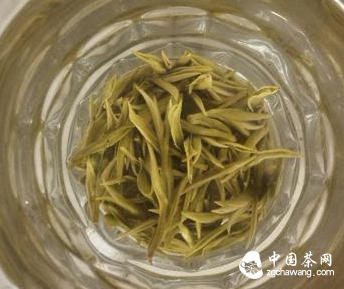
3. Aged tea has higher market value than new tea.
With the continuous improvement of living standards, the urgent demand for health has driven the sales of aged tea to rise steadily. On the other hand, genuine aged tea is very scarce, has very high medicinal value, and its regular consumption shows significant health benefits for the body. Upholding the principle of "rarity increases value," high-quality, well-aged tea has become the object of consumer pursuit. It's not difficult to explain why高价 aged tea appears on the market.