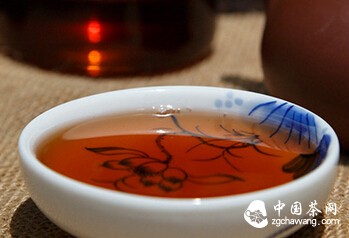
When drinking tea, tea enthusiasts often evaluate a type of tea leaves based on aspects such as "sweet aftertaste," "saliva production," "throat sensation," "throat locking," and "convergence." But how many people truly understand these professional tea terms? This issue of Tea Drinking for Health Preservation takes you on a high-end tea tasting feast.
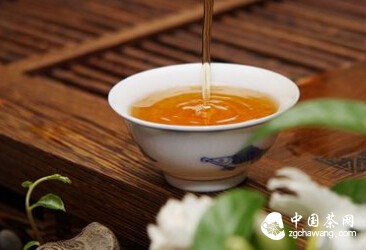
What is Sweet Aftertaste?
As the name suggests, it is the process where bitterness transforms in the mouth to produce a sweet taste—what is often called "bitterness ends, sweetness follows." This is a taste experience that occurs during the tasting of Pu'er tea. Since most Yunnan large-leaf arbor teas inherently have a strong bitter and astringent taste, after the bitterness, a sweet taste often appears in the mouth. This phenomenon is called sweet aftertaste. Different from other types of tea, Pu'er tea's sweet aftertaste is generally more persistent and easily penetrates to the throat area, not limited to the tongue surface.
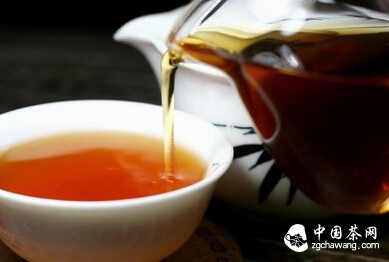
What is Saliva Production?
It refers to the secretion of saliva in the mouth, including from both cheeks, the tongue surface, and under the tongue. Saliva production in the mouth can quench thirst, provide comfort, and moisten the oral cavity. When in a sub-healthy state or feeling unwell, one often experiences dry mouth and a tight throat. Only a healthy body has the natural ability to produce saliva. Some Pu'er teas, Liubao tea, and Hunan dark teas are rich in content, thus having a strong saliva-producing function, making people feel comfortable.
What is Throat Sensation?
Simply put, it is the feeling the tea soup brings to the throat after drinking tea, such as providing moisture and relieving a tight, dry feeling. Therefore, throat sensation has always been highly favored by tea lovers. For more experienced tea drinkers, throat sensation is an important criterion for evaluating the quality of tea. The throat sensation of Pu'er tea can be divided into three aspects: sweetness, moistness, and dryness. Tea with a strong throat sensation mostly belongs to teas that produce a full-mouth sweet aftertaste. That is to say, only after the tea soup satisfies the taste stimulation in the oral cavity can it deepen into the throat and even produce a warming sensation in the esophagus and stomach.
If a tea lacks throat sensation, all feeling ends completely within the oral cavity after swallowing the tea soup. Therefore, sometimes we can hear some experienced tea drinkers, after tasting good tea, point to their throat area and say, "I feel the tea soup has reached here."
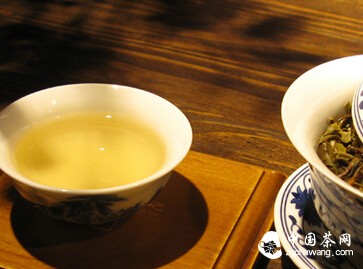
What is Throat Locking?
After tasting tea, uncomfortable sensations such as tightness, itchiness, excessive dryness, or difficulty swallowing in the throat can be collectively referred to as throat locking. Tea that gives a throat-locking sensation is usually of poor quality. It locks the base of the throat, dries the palate, numbs the tongue, and makes people uncomfortable. It is recommended to avoid such tea.
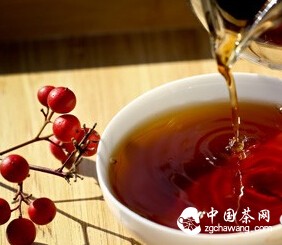
What is Convergence?
The term "convergence" is used by many but understood by few. Actually, convergence is related to the bitterness and astringency of tea. It refers to the intensity of the perceived time between the transformation of bitterness and astringency into sweet aftertaste. The stronger the convergence, the shorter the process from perceiving the bitterness and astringency in the mouth to their fading and turning into sweet aftertaste. If the convergence is weak, the bitterness and astringency will fade slowly in the mouth, or the mouth will continue to experience bitterness and astringency.
The moment a tea enters the mouth, the bitterness and astringency are quickly perceived by the sensory organs in the oral cavity. How long does this sensation last in the mouth? This depends on the convergence of that tea.
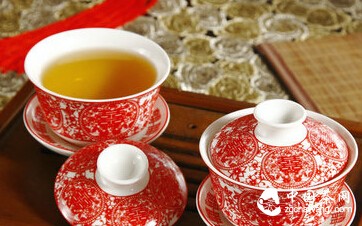
What is Hanging Aroma (Cup)?
In wine, "legs" or "tears" refer to the time the liquid residue remains on the glass wall. The slower the liquid flows, the longer the legs, indicating higher sugar content in the wine. In tea tasting, the mentioned "hanging aroma" does not refer to the time the tea soup hangs on the cup wall, but rather the time the tea aroma lingers on the cup wall. The longer and more intense the aroma lingers, the longer the hanging aroma time, indicating the better the tea.