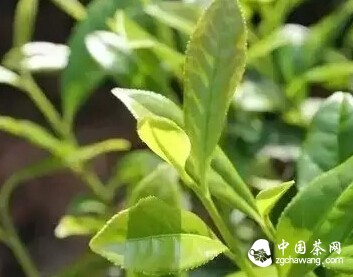
Spring tea generally refers to tea leaves made from the first buds sprouted by tea plants after overwintering. In China, the understanding of spring tea is mainly divided by time. Tea picked and processed between the Beginning of Spring and before Grain Rain is broadly referred to as "spring tea." As the spring tea season arrives again, tea is best when fresh. So, how can one identify spring tea? Today, Tea Sister teaches you a few tricks—how to identify spring tea?
What is spring tea?
Spring tea generally refers to tea leaves made from the first buds sprouted by tea plants after overwintering. In China, the understanding of spring tea is mainly divided by time. Tea picked and processed between the Beginning of Spring and before Grain Rain is broadly referred to as "spring tea."
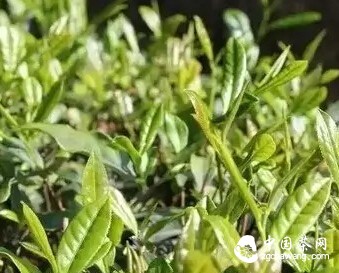
Additionally, there are different classifications for spring tea. Some literature states that tea from Qingming (Tomb-Sweeping Day) to Xiaoman (Grain Full) is spring tea, some consider tea picked before the end of May as spring tea, and other literature defines spring tea as tea picked from late March to mid-May of the same year.
Spring tea is further divided into early spring tea, mid-spring tea, and late spring tea. Early spring tea refers to tea picked from the Beginning of Spring to ten days before Qingming; mid-spring tea refers to tea picked within ten days before and after Qingming; late spring tea refers to tea picked from ten days after Qingming to before Grain Rain. After this, tea picked at Grain Rain is no longer called spring tea but early summer tea. Anxi Iron Goddess of Mercy (Tieguanyin) spring tea is generally picked and processed from late April to mid-May, with large quantities hitting the market almost by mid-May.
Tea is best when fresh, so how can one identify spring tea?
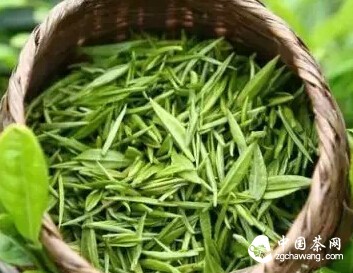
1. From appearance: New tea is vibrant green with a glossy sheen, tightly rolled with noticeable pekoe. Old tea appears duller in color, lacks luster, and has less obvious pekoe.
2. From aroma: New tea has a high, lively, and fresh fragrance. Old tea has a low, stuffy aroma without freshness and carries a stale taste. Improperly stored old tea may even develop mold and various off-odors.
3. From moisture content: Pinch the tea leaves with your fingers. New tea has low moisture content; the leaves are loose, hard, and brittle. Old tea has higher moisture content; the leaves feel soft and damp, and cannot be crushed into powder by hand.
4. After brewing: New tea yields a liquor that is bright green, clear, and luminous, with a long-lasting high aroma, a fresh and rich taste, and bright green infused leaves. Old tea yields a liquor that is pale yellowish, less bright, with a lower and less refreshing aroma, a less vibrant and somewhat bland taste, and infused leaves that are not bright green but rather dull.
Source: Tea Art