Good raw Pu'er tea, much like high-quality green tea, remains fresh and sweet when brewed at low to medium temperatures. When the surface of the tea leaves turns reddish, the buds and leaves shift from white to light brown, and a glossy sheen appears on the surface, the tea is at its best for drinking. At this point, the lid can be covered to slow down the post-fermentation process. If you purchase a larger quantity, it is better not to break the tea apart but to store the entire batch together for a more effective aging result. Of course, a larger storage container is also recommended. So, what is the reason for not recommending storage as loose tea?
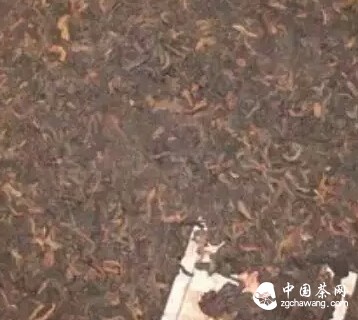
Raw Pu'er tea should not be stored as loose tea for the following reasons:
1. Excessive exposure to air accelerates oxidation, and aromatic compounds with smaller molecular structures easily dissipate into the air.
2. Due to the high concentration of oxygen in the air, the internal substances volatilize before they have a chance to transform.
3. Overly rapid oxidation leads to the loss of flavors characteristic of different oxidation stages.
4. Only when compressed tightly can raw tea facilitate the transformation between substances and the formation of new compounds.
5. Overly compact tea forms (such as iron-pressed cakes) may hinder the oxidation process.
6. Manually stone-molded cakes, with their appropriate compactness, are more conducive to producing high-quality Pu'er tea.
7. Compressed tea undergoes an additional steaming process compared to loose tea, which is more favorable for microbial reproduction and increases microbial quantity.
8. Under the same temperature and humidity conditions, harmful bacteria in compressed tea reproduce slowly, have a higher mortality rate, and produce fewer metabolites.
9. The post-fermentation of Pu'er tea is a slow, gradual, and relay-style oxidation process that relies primarily on external biological enzymes to drive changes in its internal substances. Once tea leaves are isolated from air (as in the case of loose tea storage), oxidation becomes a solitary enzyme-driven process, leading to the loss of beneficial compounds and premature carbonization of the tea leaves.
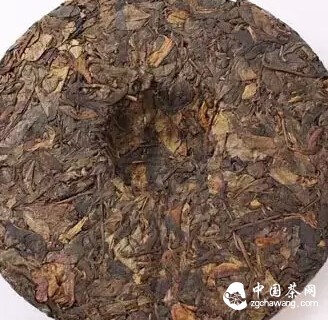
Additionally, relatively compact compressed tea will produce numerous bubbles when steeped in boiling water. This is a reaction caused by the rapid oxidation of carbonated substances. The presence of small bubbles indicates minimal loss of internal substances in the air, thorough relay-style oxidation, and a better overall taste experience.