Regardless of the type of tea, the season in which it is harvested and processed significantly impacts its tea leaves quality. This is the result of changes in the biochemical processes of tea plant metabolism during the synthesis of tea quality components under varying external conditions. The distinct quality characteristics of seasonal teas are essentially caused by the influence of the tea garden's ecology and climate on the synthesis and transformation of tea quality components. Therefore, to improve tea quality, systematic research into the tea garden ecosystem is necessary.
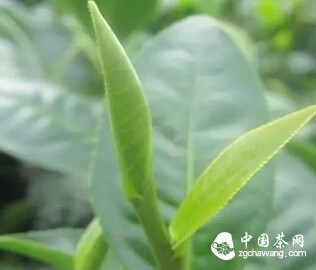
In the same region, tea quality varies greatly among different tea plant varieties. However, even among high-quality varieties, the biochemical composition of the leaves grown in different seasons changes noticeably, leading to significant differences.
The quality characteristics of tea are determined by its quality components. Apart from the genetic factors of the tea variety that determine the quality foundation, changes in these components are closely related to the external environmental conditions during the tea plant's growth and development. This results in seasonal variations in tea quality, forming the distinct characteristics of teas from different seasons.
From the perspective of seasonal characteristics of tea quality components, the main difference is reflected in the relationship between amino acids and catechins. In spring tea, due to the dominance of nitrogen metabolism in tea plants, the amino acid content is significantly higher, and its ratio to catechin content is correspondingly higher.
Another quality characteristic of spring tea is its higher pectin content, which is related to the appearance, color, and mellow thickness of the tea soup.
In terms of vitamin C content in green tea, spring tea also has the highest level, which gradually decreases thereafter. The chlorophyll content in green tea, whether in spring or summer tea, increases as the leaves mature during the growth period.
The content of aromatic oils in tea also varies with the season. According to analysis, per 100 grams of fresh leaf dry weight, spring tea contains 2.8 mg of aromatic oil, summer tea contains 2.4 mg, and autumn tea contains 4.0 mg. Aromatic oil is the total amount of various aromatic substances in tea and forms the basis of tea aroma. The formation of aroma types is related to the composition of aromatic substances and also to climatic conditions. Therefore, the season that produces high-aroma seasonal tea varies from country to region. During clear and crisp autumn weather, good aromatic teas often appear. Generally, the aroma of spring tea is also quite good.