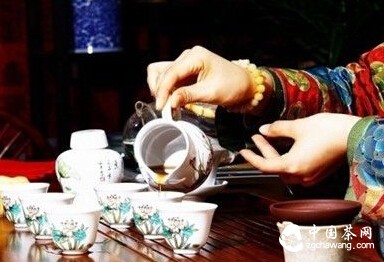
1. Is older tea better?
The growth of tea trees is similar to that of humans, divided into youth, prime, and old age. The prime period is the most nutritious. In old age, nutrients like tea polyphenols and amino acids diminish. The scientific view should be that any type of tea has an optimal drinking period.
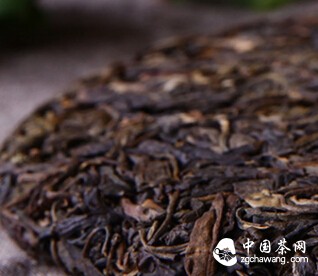
2. Is younger tea better?
The first leaf of the fresh tea leaf contains more nutrients than the bud. Tea made from leaves that are too tender has a bland taste and insufficient aroma. The notion that younger is better is a great waste of tea tree resources and irresponsible to tea friends.
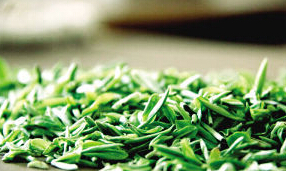
3. Is earlier tea better?
If tea trees do not undergo a certain period of photosynthesis, nutrients cannot form. Therefore, scientifically speaking, each tea has an optimal phenological period. Following the tea tree's phenological period is necessary to determine the best picking time.

4. Is more expensive tea better?
As the saying goes, buy what's right, not necessarily what's expensive. From a nutritional perspective, your physique determines the type of tea you should drink. Among them, green tea is relatively cool in nature, suitable for positive constitutions; black tea is relatively warm, suitable for negative constitutions; oolong tea is neutral, suitable for all people.
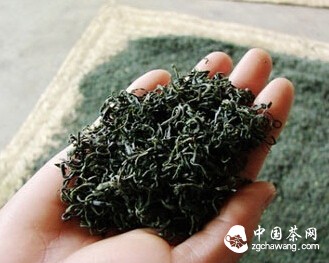
5. Is fresher tea better?
The correct practice is to let new tea rest for 10-15 days after production before drinking; it tastes better and is more stomach-friendly.
6. Does tea have pesticide residues?
The pesticides used on tea trees are fat-soluble, not water-soluble. Fat-soluble pesticides are a type of organic pesticide. Pesticide residues on tea leaves are not equal to pesticide residues in the tea soup. Therefore, drinking tea is safe. Brand teas are generally tested by national food safety inspection agencies and have comprehensive safety guarantees. Some also say that Tieguanyin grows in coastal areas where high temperatures and humidity lead to more pests and diseases, resulting in more pesticide use. In fact, the altitude of inner Anxi is over 500 meters, higher than many tea regions in China, so temperatures are not high. Moreover, with improved ecology in recent years, pests and diseases are not too numerous.

7. Does drinking tea harm the stomach?
In fact, drinking strong tea over a long period, regardless of the type, can cause some damage to the stomach. However, strong-flavored Tieguanyin and sufficiently fermented light-flavored Tieguanyin, due to their higher content of tea pigments (mainly theaflavins and thearubigins), are more stomach-nourishing.