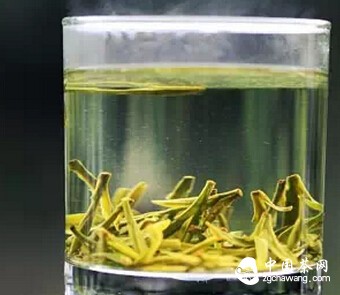
Longjing tea is a famous Chinese green tea, produced in the West Lake area of Hangzhou, Zhejiang. It is characterized by four outstanding features: "green color, rich aroma, sweet taste, and beautiful shape." The following briefly explains why Longjing tea should not be brewed with boiling water, for your reference!
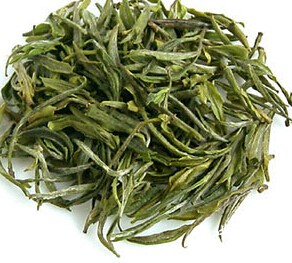
West Lake Longjing tea is one of China's top ten famous teas, with a history of over 1200 years. Longjing tea is known for its four unique characteristics: "green color, rich aroma, sweet taste, and beautiful shape." Its appearance is flat and smooth, with sharp tips, buds longer than leaves, a tender green color, and no fine hairs on the surface. The tea soup is bright and tender green (or yellowish); it has a fresh fragrance or a tender chestnut aroma, though some teas may carry a high-fire scent. The taste is refreshing or rich and mellow. The brewed leaves are tender green and relatively intact. Do not use boiling water to brew Longjing tea.
Generally, when tasting Longjing tea, it is best to use a glass cup and brew it with water at about 85°C. The ratio of tea leaves to water is also important, typically 1:50, meaning 1 gram of tea leaves to 50 milliliters of water. When brewing Longjing tea, first pour about one-third of the water into the cup to soak the leaves. Wait until the tea releases a light fragrance, then pour water along the side of the cup until it is about 70-80% full. This brewing method results in a tea that is well-balanced in strength, fresh and mellow in taste, with tender green leaves. Never use boiling water to brew Longjing tea, as it will destroy the chlorophyll, turning the tea yellow. The tea polyphenols and other nutrients in the leaves will oxidize at high temperatures, causing the tea soup to turn yellow. Many aromatic compounds are also prone to evaporate at high temperatures, reducing the tea's fragrance.