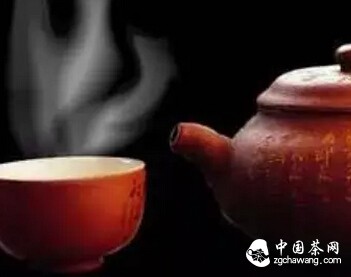
Da Hong Pao Efficacy 1:
Da Hong Pao is the most famous tea plant in Wuyi Mountain,被誉为“茶中之王”, growing on a steep cliff within Jiulongke. There is a narrow crevice on the cliff where the tea tree is located, with spring water dripping from it year-round. The spring water carries organic matter such as moss, making the soil more moist and fertile compared to other places. The tea tree is flanked by vertical rock walls, resulting in short sunlight exposure and minimal temperature variation. Additionally, with the careful management by tea farmers and the involvement of the most skilled tea masters using specially made tools during processing, Da Hong Pao's finished tea possesses unique quality and special medicinal efficacy.
Da Hong Pao Efficacy 2:
Improves eyesight and mental clarity, promotes weight loss, delays aging, refreshes the mind, aids digestion and appetite, acts as a diuretic and disinfectant, relieves phlegm and asthma, quenches thirst and relieves summer heat, resists radiation, prevents and fights cancer, anti-aging, lowers blood lipids, blood pressure, and cholesterol, etc.
Da Hong Pao Effects:
1. Stimulating Effect: The caffeine in tea leaves can stimulate the central nervous system, helping to uplift spirits, enhance thinking, eliminate fatigue, and improve work efficiency.
2. Diuretic Effect: Caffeine and theophylline in tea have a diuretic effect, used to treat edema and fluid retention. The detoxifying and diuretic effects of black tea with sugar water can treat acute icteric hepatitis.
3. Cardiotonic and Antispasmodic Effect: Caffeine has the effects of strengthening the heart, relieving spasms, and relaxing smooth muscles. It can relieve bronchial spasms, promote blood circulation, and is a good auxiliary medication for treating bronchial asthma, relieving cough and phlegm, and myocardial infarction.
4. Inhibiting Arteriosclerosis: Tea polyphenols and vitamin C in tea can activate blood circulation, remove blood stasis, and prevent arteriosclerosis. Therefore, among frequent tea drinkers, the incidence of hypertension and coronary heart disease is lower.
5. Antibacterial and Bacteriostatic Effect: Tea polyphenols and tannic acid in tea act on bacteria, coagulating bacterial proteins and killing them. It can be used to treat intestinal diseases such as cholera, typhoid, dysentery, and enteritis. For skin sores, ulceration with pus, or broken skin from trauma, rinsing the affected area with strong tea has anti-inflammatory and antibacterial effects. It also has certain therapeutic effects for oral inflammation, ulceration, and sore throat.
6. Weight Loss Effect: Various compounds in tea such as caffeine, inositol, folic acid, pantothenic acid, and aromatic substances can regulate fat metabolism. Especially oolong tea has a good分解 effect on protein and fat. Tea polyphenols and vitamin C can lower cholesterol and blood lipids, so drinking tea can aid weight loss.
7. Anti-caries Effect: Tea contains fluorine. Fluoride ions have a strong affinity with the calcium in teeth, forming a relatively acid-resistant "fluorapatite,"就像给牙齿加上一个保护层, improving the teeth's resistance to acid and caries.
8. Inhibiting Cancer Cells: According to reports, flavonoids in tea have varying degrees of anti-cancer effects in vitro, with stronger ones including vitexin, morin, and catechins.
9. Helps Lower Lipids and Aid Digestion. Caffeine in tea can increase gastric juice secretion, helping digestion and enhancing the ability to分解 fat. This is the道理 behind the saying "long-term consumption makes one slim."
10. Helps Protect Teeth and Improve Eyesight. The relatively high fluoride content in tea is beneficial for preventing dental caries and protecting and strengthening teeth. Components like vitamin C in tea can reduce the opacity of the eye lens. Regular tea drinking has positive effects on reducing eye diseases and protecting eyesight.
Historical Records
(1) Tao Hongjing of the Liang Dynasty wrote in "Miscellaneous Records": "Bitter tea lightens the body and transforms the bones." "Tang Mu Chapter" says: "Ming, bitter tea, tea tastes sweet and bitter, slightly cold and non-toxic, mainly treats fistulas and sores, benefits urination, removes phlegm, quenches thirst, and makes people sleep less."
(2) Chen Cangqi said in "Ben Cao Shi Yi": "The value of tea lies in its connection to the heavens above and benefit to human relations below. While various medicines are for hundreds of diseases, tea is the medicine for ten thousand diseases."
(3) Tang Dynasty Tea Sage Lu Yu wrote in "The Classic of Tea" about the efficacy and effects of Da Hong Pao: "The utility of tea, its flavor is extremely cold, most suitable as a drink for the virtuous and frugal. If one suffers from heat, thirst,凝闷, headache, eye dryness,四肢烦,百节不舒, drinking four or five sips can rival ambrosia and sweet dew." He also pointed out that tea has the effects of "detoxification, treating illnesses, sobering up from alcohol, stimulation, quenching thirst, etc."
(4) Ming Dynasty著名医学家 Li Shizhen in "Compendium of Materia Medica" regarding the efficacy and effects of Da Hong Pao: "Tea is bitter and cold, most effective in reducing fire. Fire is the cause of百病; when fire is reduced, the upper body becomes clear. Drinking it warm allows it to descend due to its cold nature; drinking it hot allows the tea to rise and disperse借助火气. It also helps detoxify alcohol and food, making one's spirit clear and alert, neither昏 nor sleepy. This is the merit of tea."