Tea culture has a long history. Drinking tea has health-preserving effects such as detoxifying the body, moistening intestines, and preventing diseases. Some people also believe that drinking tea can help with weight loss. In fact, whether people enjoy the light fragrance of tea or use it for weight loss or health preservation purposes, they must remember the taboos of drinking tea. If you develop bad tea-drinking habits, it will be detrimental to your health. Below are eight major bad habits of drinking tea summarized for you.
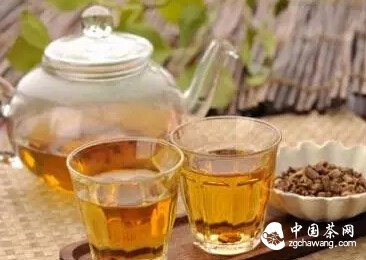
Bad Habit 1: Drinking Tea on an Empty Stomach
Absolutely do not drink tea on an empty stomach, as it dilutes gastric juices, reduces digestive function, and causes large amounts of undesirable components from the tea leaves to enter the bloodstream, leading to symptoms such as dizziness, palpitations, and weakness in the limbs. For the sake of health, do not drink tea before meals.
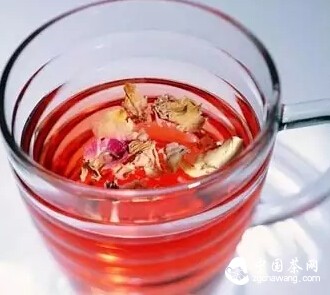
Bad Habit 2: Drinking the First Brew of Tea
We all know that when brewing tea, the first infusion should not be consumed. This is because tea leaves are inevitably contaminated with pesticides and other harmful substances during cultivation and processing, leaving some residue on the surface. Thus, the first brew serves as a rinse and must not be drunk.
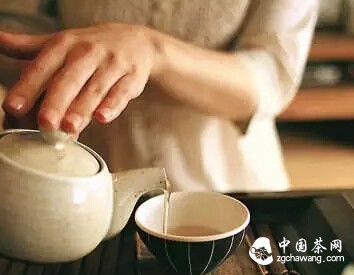
Bad Habit 3: Drinking Tea Immediately After Meals
Many people like to drink a cup of tea after meals to aid digestion and achieve weight loss. However, the correct method is to drink tea one hour after a meal. This is because tea contains a large amount of tannic acid, which can react with iron in food to form insoluble substances. Drinking tea this way over the long term can lead to iron deficiency in the body and even induce anemia.
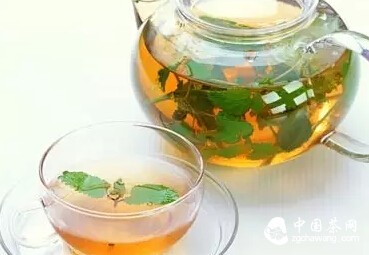
Bad Habit 4: Drinking Tea During Menstruation
Drinking tea during menstruation can easily induce or worsen menstrual syndrome. Studies have shown that people who habitually drink tea are 2.4 times more likely to experience premenstrual tension than those who do not, and those who drink more than four cups a day have three times the risk. Therefore, it is not advisable to drink tea during menstruation. Menstruation is a monthly occurrence for women, but it is important to remember the principles of tea drinking to take good care of your body.
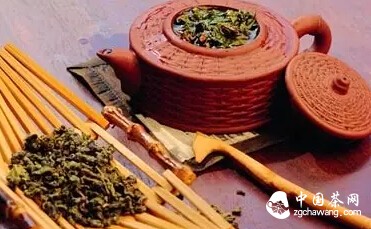
Bad Habit 5: Drinking Tea at Night
Drinking tea at night can help digest food, but not all teas are suitable for nighttime consumption. It is best to drink black tea at night. Because black tea is fully fermented, it is less stimulating. For people with weak spleen and stomach, adding some milk to black tea can also warm the stomach, which is very effective. In short, remember to use less tea leaves when drinking tea at night and avoid brewing it too strong to prevent affecting sleep. People who are easily excited or sensitive, have poor sleep, or are physically weak should drink little or no tea at night.
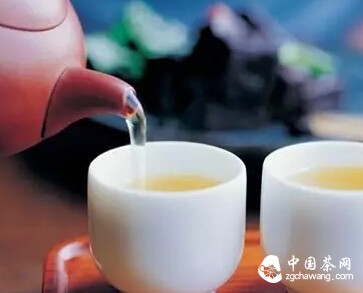
Bad Habit 6: Preferring New Tea
New tea should not be consumed in large quantities, and tea stored for less than half a month should definitely not be drunk. This is because new tea has a short storage time and contains higher amounts of unoxidized polyphenols, aldehydes, alcohols, and other substances, which strongly irritate the gastrointestinal mucosa and can easily lead to stomach problems.
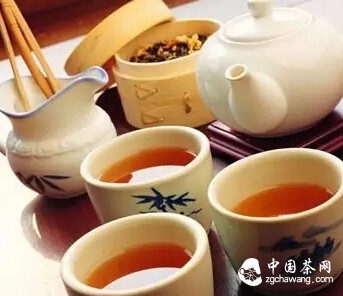
Bad Habit 7: Drinking the Same Tea All Year Round
Drinking tea suitable for different climates and seasons can yield better results. The four seasons have different climates, so different types of tea should be chosen to truly achieve disease prevention and health preservation effects. For example, flower tea is suitable for spring, green tea for summer, oolong tea for autumn, and black tea for winter.

Bad Habit 8: Drinking Tea with Ulcer Disease
People with ulcer disease are absolutely not suitable for drinking tea because the caffeine in tea promotes gastric acid secretion, increases gastric acid concentration, and can induce ulcers or even perforation. The consequences are very serious. Drinking tea on an empty stomach is already harmful to the stomach, and it is even more unsuitable for people with ulcers. Drinking tea not only fails to preserve health but is also a significant harm.