When white-collar office workers stay up late working overtime, their preferred energizing drink is often coffee rather than tea. During cozy afternoons out with friends for afternoon tea, most people also choose coffee. Many who consider themselves "at the forefront of fashion" even categorize tea drinking as an "old-fashioned" activity. Although tea may seem unpopular, you must know this: what you need is tea.

Coffee's energizing effect is indeed strong, but tea's refreshing properties are not inferior. If coffee is consumed without sugar or milk, its taste is quite bitter. Tea, however, requires nothing extra—when combined with boiling water, it immediately releases the aroma of the tea leaves. Although it may taste slightly bitter at first, it leaves a fragrant aftertaste on the palate.
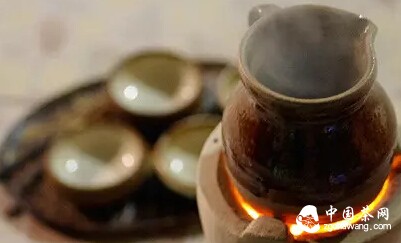
Coffee contains high levels of caffeine. Regular consumption can lead to dependency, causing discomfort when coffee is absent from daily life. Moreover, drinking more than two cups of coffee per day can be harmful to health, particularly increasing the risk of stomach issues. With tea, there is no need to worry about such burdens. In fact, regular tea drinking can benefit the body. Recent scientific research has found that beneficial compounds in tea can protect the heart and reduce the probability of death from heart disease.
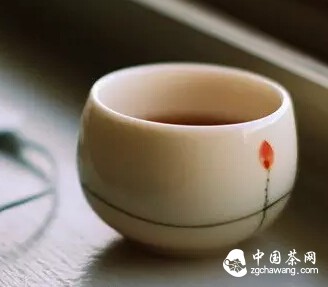
There are many types of tea, each offering different health benefits. For example, floral teas can help with beauty and skincare; black tea can warm the body and boost immunity; green tea protects vision, making it ideal for office workers who spend long hours in front of computers; and white tea can aid in weight loss.

It can be said that tea possesses all the benefits of coffee, while coffee lacks the unique advantages that tea offers.