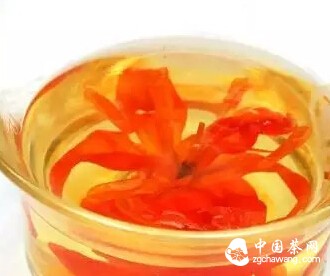
Flower tea, also known as scented tea, utilizes tea's ability to absorb odors by blending fragrant fresh flowers with new tea leaves. The tea absorbs the floral aroma during the scenting process, after which the dried flowers are usually removed. The resulting flower tea has a rich fragrance and a deep-colored infusion, favored by people in northern China who prefer stronger flavors. The most common flower tea is jasmine tea made with jasmine flowers. Most flower teas use green tea as the base, though some are made with black tea. Flower tea is primarily produced by scenting tea bases—such as green tea, black tea, or oolong tea—with fresh flowers that release fragrance, using a traditional scenting technique. Depending on the type of fragrant flowers used, it is categorized into jasmine tea, magnolia tea, osmanthus tea, chloranthus tea, etc., with jasmine tea having the largest production volume.
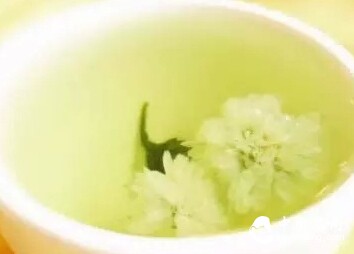
Classification of Flower Tea:
Scented Tea: With green tea as the base: Jasmine tea, Osmanthus Longjing, etc.
With black tea as the base: Rose black tea, etc.
With oolong tea as the base: Jasmine oolong, Osmanthus oolong, etc.
Artistic Blooming Tea: Lily Fairy, Rose Beauty, Globe Amaranth, etc.
Herbal Tea: Rose tea, Lily flower, Forget-me-not, Honeysuckle, etc.
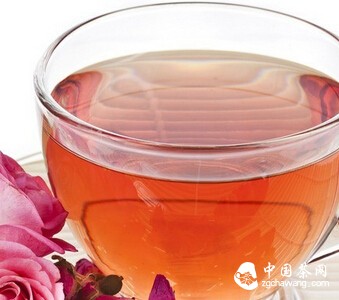
Benefits of Flower Tea: Whitening and beautifying the skin, radiation protection, detoxification and sterilization, aiding sleep, and regulating the nervous system.
No matter how good the tea is, it is important to choose teas according to one's physical constitution. Tea health wishes you good health!