In the processing of Chinese tea, there is an important step called "fermentation." The color, nutritional content, and taste of tea leaves all depend on the degree of fermentation. Proper fermentation ensures that the tea achieves excellent color, aroma, and flavor. The degree of fermentation is a key basis for distinguishing different types of tea. China's top ten famous teas encompass the five major tea categories, which correspond to the five colors and the five elements, representing the highest level of Chinese tea craftsmanship and culture.
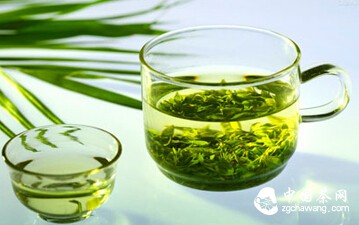
Green Tea: A cup of morning tea to refresh you and start your day with full energy.
Green Tea belongs to the wood element and is a non-fermented tea. The leaves undergo "fixation" to preserve their green color, followed by various shaping processes. Green tea retains a relatively complete profile of the natural components and minerals found in fresh leaves. It has special effects in combating radiation, preventing aging, and boosting immunity, surpassing other tea types. There are over a thousand varieties of Chinese green tea with diverse shapes, making it the most "artistically appreciable" tea category. Zhejiang, Anhui, and Jiangxi provinces are the main production bases for green tea in China.
Representative famous teas: West Lake Longjing, Dongting Biluochun, Enshi Yulu, Xinyang Maojian, etc.

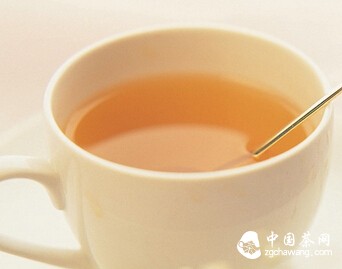
Black Tea: A warm cup of afternoon tea, accompanying you through a leisurely and romantic moment.
Black Tea belongs to the fire element and is a fully fermented tea. It is made from one bud and two or three leaves of the tea plant, processed through typical steps such as withering, rolling (cutting), fermentation, and drying. It is named "Black Tea" because the dried leaves and the brewed tea liquor are predominantly red. Due to complete fermentation, it is relatively mild and particularly effective in nourishing the stomach, making it especially suitable for people with a cold stomach. Other benefits include aiding gastrointestinal digestion, stimulating appetite, promoting diuresis, reducing edema, and strengthening heart function. It has strong antibacterial properties; gargling with black tea can prevent colds caused by filterable viruses, prevent tooth decay and food poisoning, and lower blood sugar and hypertension.
Representative famous teas: Sichuan Hong Gongfu, Dianhong Gongfu, Qimen Gongfu, etc.
White Tea: Like first love, subtle yet leaving a lasting aftertaste.
White Tea belongs to the metal element and is a specialty of Fujian Province. It is a lightly fermented tea and a unique treasure among Chinese tea categories. Its processing method involves natural drying, resulting in a very natural and pure tea flavor. The finished white tea often consists of buds covered with fine white hairs, appearing silver-like or snow-white, hence the name. It is characterized by complete buds covered with hairs, a fresh and fragrant aroma, a clear yellow-green liquor, and a light, sweet aftertaste. White tea production in China is not high, but its mild flavor is widely loved by Europeans and Americans.
Representative famous teas: Yinzhen Baihao, Gongmei, White Peony, etc.
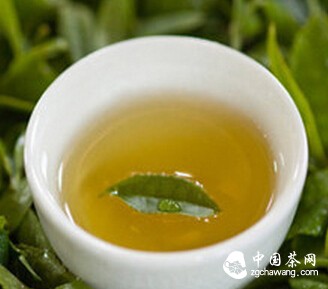
Yellow Tea: Like a stroke of sunset glow, infinitely warm and beautiful.
Yellow Tea belongs to the earth element and is a specialty of China, a lightly fermented tea. Its production is similar to green tea, with an additional step called "men dui" (sealed pile yellowing). This yellowing process gives yellow tea its characteristic "yellow leaves and yellow liquor." Yellow tea has tender buds and leaves with visible hairs, offering a fresh and mellow fragrance. It is rich in tea polyphenols, amino acids, soluble sugars, vitamins, and other nutrients, showing significant efficacy in preventing esophageal cancer. Additionally, yellow tea retains over 85% of the natural substances from fresh leaves, which have special effects in preventing cancer, fighting cancer, sterilizing, and reducing inflammation.
Representative famous teas: Huoshan Xueya, Wenzhou Yellow Soup, Junshan Yinzhen, etc.
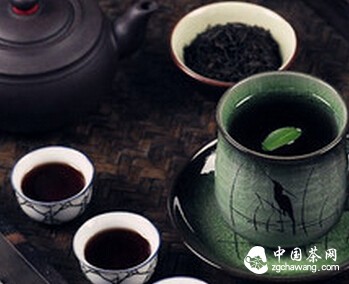
Dark Tea: Like distant green mountains in the dark night, filled with the vicissitudes and depth of time.
Dark Tea belongs to the water element and is a post-fermented tea, unique to China with a long production history. During processing, it often undergoes a prolonged pile-fermentation, causing most leaves to appear dark brown, hence the name "Dark Tea." The most common type is Pu'er Tea. Pu'er tea is further divided into raw tea and ripe tea based on fermentation type. Raw Pu'er primarily helps cleanse the intestines, lowers lipids, refreshes the mind, reduces blood pressure, and aids weight loss, making it suitable for younger people. However, raw tea contains more active components, so it is not suitable for those prone to insomnia, individuals with colds or fever, gastric ulcer patients, or pregnant women. Ripe Pu'er is relatively milder, with better lipid-lowering, blood pressure-reducing, and stomach-nourishing effects compared to raw tea, making it very suitable for middle-aged and elderly people.
Representative famous teas: Yunnan Pu'er, Anhua Dark Tea, Wuzhou Liubao Tea, etc.