Different varieties of tea have different intricacies when it comes to brewing. That is, "old tea steeped in a pot, tender tea brewed in a cup." Old tea here refers to teas like Oolong tea and Black tea, which are best steeped in more porous vessels, such as Yixing clay teapots. New tea generally refers to delicate, high-quality Green tea. Using harder vessels like glass cups for brewing prevents the tender buds and leaves from being "stewed," which would produce a "stewed soup" flavor. This helps better maintain and showcase the tea's liquor color, brewed leaves, aroma, and taste.
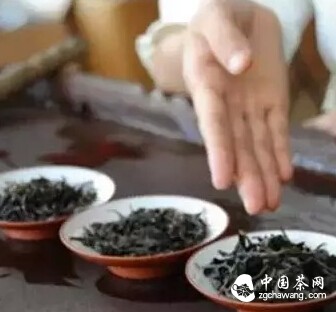
Mastering the water temperature for brewing tea also varies depending on the tea. High-grade green teas, especially various delicate, tender-leaf famous teas (green tea category), should not be brewed with 100°C boiling water. Generally, a temperature around 70~80°C is appropriate. The more tender and greener the tea leaves, the lower the brewing water temperature should be. This ensures the brewed tea liquor is bright green and clear, with a fresh and brisk taste, and also minimizes the destruction of vitamin C in the tea leaves. At high temperatures, the tea liquor tends to turn yellow, taste more bitter (as caffeine from the tea leaches out more easily), and a large amount of vitamin C is destroyed.
For brewing various flower teas, black tea, and medium to low-grade green teas, 100°C boiling water should be used. If the water temperature is low, the permeability is poor, fewer effective components are extracted from the tea, resulting in a weak tea flavor.
For brewing Oolong tea, Pu-erh tea, and flower teas, a larger quantity of tea leaves is used each time, and the leaves are relatively older, so 100°C boiling water must be used. Sometimes, to maintain and increase the water temperature, it's necessary to rinse the teaware with hot water before brewing and pour hot water over the outside of the pot after brewing. Additionally, for tightly rolled teas like Tieguanyin, it's best to first rinse the tea leaves with hot water to allow them to fully unfurl.
(Content sourced from the internet, copyright belongs to the original author)