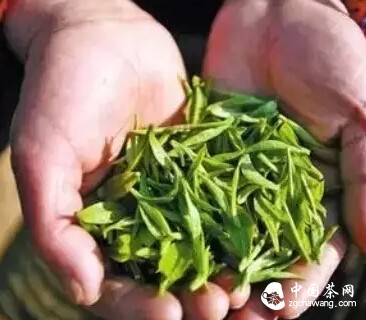
In the warm spring season, with grass growing and orioles singing, it's time for the annual spring tea market. Tea enthusiasts who have waited all winter are eagerly looking forward to tasting the fresh tea. Spring tea is indeed excellent, especially the first flush. After a winter of dormancy and nutrient storage, the first buds and leaves burst forth in spring, containing a freshness and high, refreshing quality that summer and autumn teas cannot match.
Therefore, as early as the Tang Dynasty, there were records of "Mingqian tea"—tea picked and made before the Qingming Festival around the Spring Equinox—being offered as tribute to the imperial court. For some spring teas, the Qingming Festival is indeed a watershed; the taste difference before and after is significant. Against this centuries-old backdrop of taste habits and recognition, "drink spring tea as early as possible" and "the earlier the spring tea, the better" have become highly promoted concepts in recent years amid rising tea consumption trends.
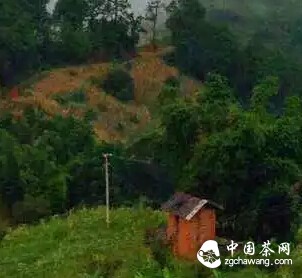
In the long wait from late winter to early spring, early spring tea is often in short supply, selling out quickly upon release. The phenomenon of early spring tea equating to "high-end gift tea" is also common in the tea industry. Before Qingming, tea prices rise each day earlier; after Qingming, they drop each day later. However, is this really true? Today, we must remind everyone—don't be too fixated on pursuing the "earliness" of tea, because spring tea is not necessarily better the earlier it is!
▎One: All Spring Tea is Best Picked Before Qingming
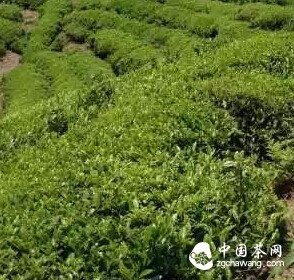
China's top premium green teas are mostly concentrated in the Jiangnan tea region of the Yangtze River basin, covering Anhui, Zhejiang, and Jiangsu. However, most of these top green teas are not early-sprouting varieties. Their sprouting is heavily influenced by weather, and the best native varieties generally don't emerge until mid-to-late March.
Take West Lake Longjing as an example. The highest-grade raw material comes from the one bud with one or two leaves of the Quntizhong (group variety), not the tender single buds of early-sprouting varieties. The best picking time is early April, not earlier. At this time, they are richest in substance and offer the best taste.
Beyond the Jiangnan region, Yunnan Pu'er tea is similar. Based on local tea-making experience, Bangzhong tea emphasizes aroma, so tea from the Bangzhong area is best when picked earlier, around mid-to-late March. However, the Yiwu area is恰恰相反; Yiwu tea emphasizes soup taste and flavor, and the best picking time is after Qingming.
It can be said that each region has its own geographical, climatic, and varietal conditions, and thus its specific optimal picking time. Blindly seeking "earliness" actually disregards the differences among various teas.
▎Two: The Earlier the Spring Tea, the Better the Quality
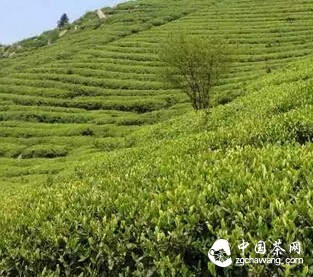
To compete for "earliness," tea merchants in some domestic tea-producing regions have long used various tactics. Some regions started developing greenhouse tea as early as the 1990s. However, greenhouse tea has a short growth period, insufficient accumulation of effective nutrients, a bland taste, and poor infusibility, never matching tea grown outdoors.
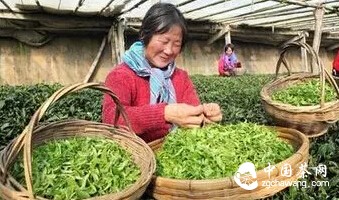
To gain an advantage, some tea farmers target "early-sprouting varieties" among tea cultivars, with Wuniuzao being a prime example. Wuniuzao sprouts about half a month earlier than Longjing and nearly a month earlier than the native Quntizhong in the West Lake area. Whenever a small amount of new tea hits the market, counterfeit teas follow. Using Wuniuzao to impersonate "West Lake Longjing" has long been a recurring issue.
Impersonating famous green teas with tea from other provinces is also common. Due to geographical and climatic reasons, tea from Yunnan, Guizhou, and Sichuan generally matures and reaches the market earlier than that from Jiangsu and Zhejiang. Thus, speculators pass off inferior tea as superior; before the "real one" arrives, the "fake" takes center stage.
These are market disorders催生by the blind pursuit of "earliness." They ultimately trap浮躁tea merchants in the quagmire of market hype and distance us from good tea.
▎Three: For Spring Tea, All Buds are Best
Furthermore, making traditional premium green tea involves mature systems regarding varieties and taste; all buds are not necessarily best. This is because the content of substances within tea leaves varies across different parts of the tea plant. Tea polyphenols and caffeine are mainly distributed in the first and second leaves, while amino acids are concentrated in the buds.
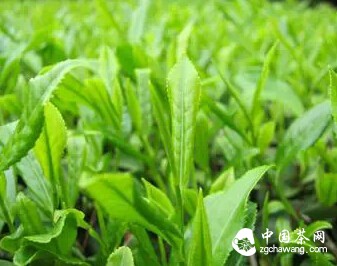
So, while buds are tender and fresh, the mellow thickness of taste still relies on the internal substances in the leaves. For example, the classic Taiping Houkui正宗requires "two leaves and one bud."
▎Viewpoint: For First Spring Tea, It's Okay to Be a Little Late!
In fact, when chasing tea, we shouldn't pursue the concept of "early spring tea" but rather "first spring tea."
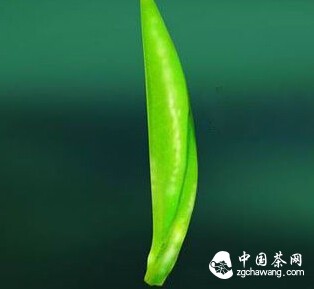
First spring tea refers to the first standard leaves that sprout and grow in a year. As long as it's the first picking of the year, it's first spring tea. Because tea accumulates many fresh flavors and nutrients during winter dormancy, as long as it's first spring tea, these fresh-tasting elements and nutrients are present—it doesn't mean the earlier, the better.
We think, we're not Mr. Lu Xun, so why must we compete for an "early" character? As long as what we drink is first spring tea, waiting a bit longer is worthwhile.