The quality of Pu-erh tea directly affects its taste when consumed, and currently on the market, some unscrupulous merchants sell inferior Pu-erh tea, which can cause certain harm to the body if consumed.
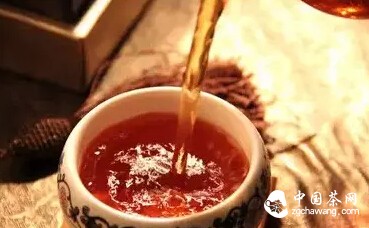
Pu-erh tea is a general term for various Yunnan compressed teas made from green tea or black tea through fermentation and steaming, including tuo tea, cake tea, square tea, and tight tea. Its mellow taste, unique aroma, and the health benefits of Pu-erh tea are deeply appreciated by many, with some even considering it a wellness product.
Currently, the quality of Pu-erh tea on the market is uneven, and the Pu-erh tea market is not yet fully developed. Driven by profit, some merchants counterfeit famous brands or claim ancient tree origins. Therefore, consumers must be cautious when purchasing. Below is a guide to identifying inferior Pu-erh tea: the '4 Look & 6 Don't Look' method that you must know.
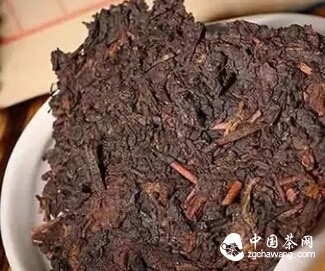
6 Don't Look: 1. Do not rely on incorrect age as a benchmark (Note: Authentic teas from the 1950s or 1960s can only be found in museums. Consider this: would any tea factory/merchant store tea for 50 years before selling it?);
2. Do not judge based on counterfeit packaging;
3. Do not use tea color depth as an excuse;
4. Do not be misled by added flavors (Note: The true camphor or jujube aroma of Pu-erh is naturally formed. How could it be so strong as to be pungent?);
5. Do not be swayed by claims of musty storage conditions;
6. Do not overemphasize tree age or leaf type.
4 Look: (Clarity, Purity, Authenticity, Vitality) Clarity—the flavor should be clear, without mustiness. Purity—the tea liquor should be pure, like jujube or a rich, bright red, not black as lacquer. Authenticity—stored in the correct environment, in a dry warehouse, not a damp one. Vitality—when tasting the liquor, it should uplift the spirit.