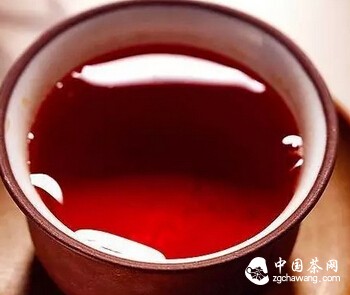
During the processing of tea leaves, the fermentation stage is a process of transformation for the tea. Fermented tea leaves produce many elements not originally present in the fresh leaves, and theaflavin is one of them.
Theaflavin is a golden-yellow pigment present in black tea, a product of tea fermentation. In biochemistry, theaflavins are a class of substances with a polyphenolic hydroxyl group and a theaflavin structure. Theaflavin was first discovered by Roberts E.A.H. It is formed through the oxidative condensation of polyphenols and their derivatives. The content of theaflavins in black tea is generally 0.3% to 1.5%, playing a decisive role in the color, aroma, taste, and quality of black tea.
Why is orange-yellow black tea becoming popular in the market now?
There are two main reasons:
First, black tea with higher theaflavin content has a fresh, mellow taste and is more refreshing.
During the fermentation of black tea, three substances determine its taste: theaflavin, thearubigin, and theabrownin. The production of these three substances is closely related to the degree of fermentation, withering time, and fermentation temperature. The ratios among them change significantly as the degree of fermentation, withering time, and fermentation temperature increase.
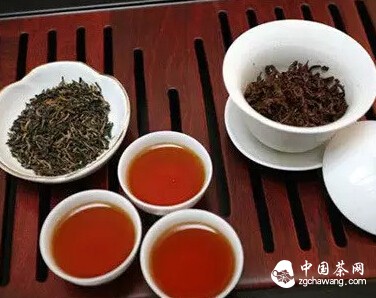
Generally speaking, lightly fermented black tea tends to produce more theaflavin. At this stage, the tea liquor appears orange-yellow, with a fresh and mellow taste. Increasing the degree of fermentation further raises the thearubigin content in black tea, resulting in a mellow and harmonious taste and a bright red liquor. Tea that undergoes longer fermentation often easily produces theabrownin, at which point the tea liquor noticeably darkens, and the taste becomes slightly bitter and astringent.
For the general Chinese public, green tea has always been the mainstream tea category. Black tea's taste is relatively strong, which many people do not prefer. However, black tea with higher theaflavin content offers a fresh, mellow, and refreshing taste, gradually attracting many consumers who were not initially fond of black tea. The taste迎合了消费者, this is the charm of theaflavin.
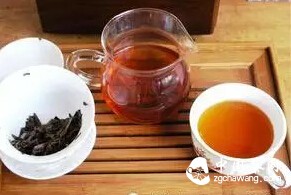
Secondly, the medicinal efficacy of theaflavin is significant, and its health benefits attract a large number of consumers.
Theaflavin is the first compound found in tea with confirmed pharmacological effects. Clinical trials have verified that theaflavin has the effect of regulating blood lipids and preventing cardiovascular diseases, with no toxic side effects. This research report has been published in the internationally authoritative medical journal JAMA.
Theaflavin is also known as the "soft gold" in tea, possessing unique functions for lowering blood lipids. Theaflavin can not only bind with cholesterol in the intestines to reduce the absorption of dietary cholesterol but also inhibit the body's own cholesterol synthesis.

In modern society, the emergence of numerous diseases has made health issues a primary concern. The efficacy of theaflavin in regulating blood lipids and preventing cardiovascular diseases undoubtedly provides consumers with the best reason to purchase this type of black tea.
Article source: Dao's Tea Culture