Weather changes can influence the taste of Pu-erh tea, which is one manifestation of its variability. In winter, the weather is relatively dry. Therefore, brewing Pu-erh tea at the same temperature results in a heavier bitterness and astringency compared to brewing it in the humid summer weather. Consequently, people often feel that the tea brewed in winter has a stronger tea flavor, while tea brewed in summer has a better口感.
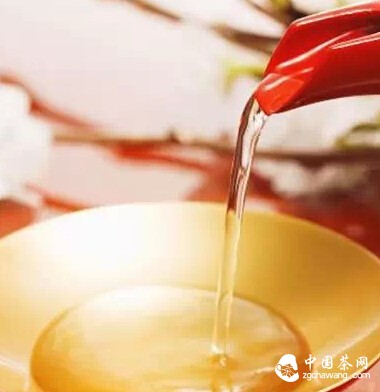
This may be due to several reasons:
1. From autumn to winter, the air current moves downward, all things contract, and the internal substance becomes heavier.
2. From spring to summer, the air current moves upward. All things revive. The shift is from contraction to expansion,付出ing for new vitality. Under the influence of revived microbial activity in spring, the internal substances of Pu-erh tea undergo another transformation.
3. The human body itself changes to adapt to the seasons, leading to differences in oral flora and pH levels. This also contributes to the varying口感 when tasting tea in different seasons.
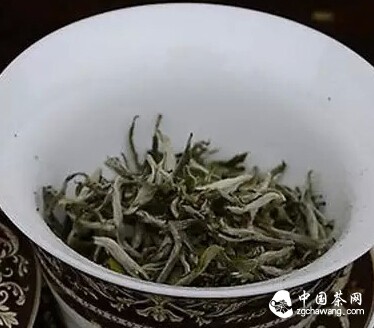
Indoor and outdoor temperature and humidity, air temperature, water temperature, storage environment, and brewing techniques all present different感受 in different seasons. Tea cannot possibly taste the same all year round, nor can it be tasteless. It's merely a matter of personal perception.