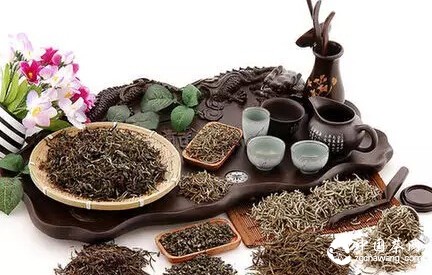
Both men and women, young and old, enjoy slowly brewing a pot of tea during leisurely weekends to unwind. However, tea is not suitable for everyone as a means of health preservation. Let's explore which conditions require us to avoid tea leaves.
1. Avoid Tea When Having a Fever
The caffeine in tea can raise body temperature and reduce the effectiveness of medication.
2. Liver Patients Should Avoid Tea
Most substances in tea, such as caffeine, are metabolized by the liver. If the liver is diseased, excessive tea consumption can overload the liver and damage liver tissue.
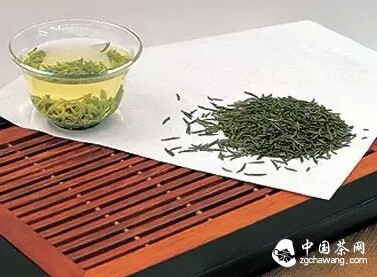
3. Those with Neurasthenia Should Drink Tea with Caution
The caffeine in tea stimulates the central nervous system. Drinking strong tea, especially in the afternoon or evening, can cause insomnia and worsen the condition. It is advisable to drink tea only in the morning and early afternoon—floral tea in the morning and green tea in the afternoon—and avoid tea at night. This helps keep patients energized during the day and relaxed at night, promoting better sleep.
4. Pregnant Women Should Avoid Tea
Especially strong tea, as it contains large amounts of tea polyphenols and caffeine, which can negatively affect fetal development. To ensure normal intellectual development and avoid overstimulation from caffeine, pregnant women should limit or avoid tea.
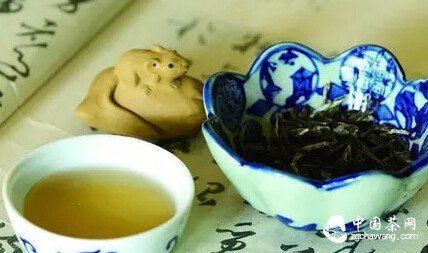
5. Ulcer Patients Should Drink Tea with Caution
Tea stimulates gastric acid secretion, which can increase acid production and irritate ulcer surfaces. Regular consumption of strong tea may worsen the condition. For mild cases, drinking weak tea two hours after taking medication, such as sweetened black tea or milk tea, may help reduce inflammation and protect the gastric mucosa. Tea can also block the synthesis of nitrosamines in the body, preventing precancerous mutations.
6. Avoid Tea If Malnourished
Tea breaks down fat, and for those who are malnourished, drinking tea can further exacerbate nutritional deficiencies.
7. Drink Tea with Caution When Drunk
Tea stimulates the central nervous system, and drinking strong tea while intoxicated can increase the burden on the heart. Tea also accelerates diuresis, causing toxic aldehydes from alcohol to be excreted through the kidneys before being broken down, which can irritate the kidneys. Those with heart or kidney conditions should avoid tea, especially strong tea. Healthy individuals may drink a small amount of strong tea and then consume fruits or vinegar to speed up metabolism and alleviate intoxication.
8. Be Cautious When Taking Medication with Tea
Medications vary in nature, and whether tea can be used to take them depends on the drug. Tannins and theophylline in tea can react chemically with certain medications. For example, when taking sedatives, iron supplements, enzyme preparations, or protein-based drugs, tea polyphenols may interact with iron, forming precipitates and reducing drug efficacy. Avoid using tea to take medication.
9. Anemia Patients Should Avoid Tea
Tannic acid in tea can combine with iron to form insoluble compounds, reducing iron absorption and worsening anemia.
10. Urinary Stone Patients Should Avoid Tea
Urinary stones are often composed of calcium oxalate. Tea contains oxalic acid, which can combine with calcium excreted in urine to form stones. Drinking large amounts of tea can aggravate the condition.
11. Avoid Drinking Tea on an Empty Stomach
Drinking tea on an empty stomach dilutes stomach acid, inhibits gastric secretion, hinders digestion, and may cause symptoms such as palpitations, headaches, stomach discomfort, dizziness, and irritability—known as "tea drunkenness." It also affects protein absorption and may cause gastritis. If "tea drunkenness" occurs, sucking on candy or drinking sugar water can help alleviate symptoms.
12. Avoid Drinking Large Amounts of Tea Before or After Meals
Avoid drinking tea about 20 minutes before or after meals, as it can dilute gastric juice, impair digestion, and interfere with iron and protein absorption due to the oxalic acid in tea reacting with dietary iron and protein.
13. Avoid Drinking Overnight Tea
Freshly brewed tea is best. Tea left overnight loses vitamins and other nutrients, easily spoils, and may cause illness if consumed.
14. Avoid Drinking the First Brew of Tea
Modern tea cultivation, processing, and packaging may involve contamination from pesticides, fertilizers, or dust. The first brew acts as a rinse and should be discarded. Pouring fresh hot water for the second brew ensures a cleaner and safer cup of tea.
15. Children Should Not Drink Strong Tea
Strong tea contains high levels of tea polyphenols, which can interfere with iron absorption and contribute to iron-deficiency anemia in children. Children may drink weak tea (one-third the strength of adult tea). Preschoolers can drink coarse tea, which has lower tea polyphenol content.

16. Coronary Heart Disease Patients Should Drink Tea with Caution
For those with tachycardia, premature beats, or atrial fibrillation, the caffeine and theophylline in tea act as stimulants, potentially exacerbating symptoms. They should only drink weak tea. Conversely, patients with a heart rate below 60 beats per minute may benefit from drinking tea to raise their heart rate, complementing medical treatment.
17. Elderly People Should Avoid Raw Tea
Raw tea refers to green tea that is dried directly after fixing, without rolling. It retains most compounds from fresh leaves, including low-boiling aldehydes and alcohols, resulting in a strong, raw grassy flavor. This type of tea can irritate the gastric mucosa, causing stomach pain in the elderly and discomfort in younger individuals. If raw tea is purchased, it should be lightly pan-fried over low heat to reduce the raw flavor and develop a mild chestnut aroma before drinking.
18. Hypertension Patients Should Avoid Strong Tea
Strong tea is defined as using less than 50 ml of boiling water per gram of tea for the first brew. Excessive consumption of strong tea can raise blood pressure due to caffeine's stimulatory effects, posing risks for hypertension patients.